

Finding the right vacuum cleaner can transform your cleaning routine from a dreaded chore into a manageable task. Canister vacuums have become increasingly popular among homeowners who value versatility and performance. These machines offer exceptional cleaning power while remaining compact and maneuverable. However, selecting the perfect model requires careful consideration of several important features.
Understanding Canister Vacuum Basics
Canister vacuums consist of two main components connected by a hose. The main unit houses the motor and dust collection system, while the cleaning head attaches via a flexible connection. This design allows you to easily navigate around furniture and reach difficult areas. Unlike upright models, canister designs offer superior maneuverability in tight spaces.
The separated design provides distinct advantages for various cleaning tasks. You can carry the lightweight wand and head up stairs while the main unit remains below. Additionally, the lower center of gravity makes these vacuums less likely to tip over during use. This configuration has made canister models a favorite among professional cleaners and homeowners alike.
Evaluating Noise Levels for Peaceful Cleaning
Noise pollution in your home can cause stress and discomfort for family members and pets. Traditional vacuum cleaners often produce sound levels exceeding 80 decibels, comparable to heavy traffic. Therefore, choosing a quiet vacuum cleaner should be a priority for maintaining a peaceful home environment.
Modern engineering has made significant strides in reducing operational noise. Manufacturers now incorporate sound-dampening materials and improved motor designs. These innovations allow powerful suction without the accompanying racket. Look for models that specify their decibel ratings in the product specifications.
Insulated motor housings represent one effective noise reduction strategy. These enclosures prevent sound from escaping while allowing proper ventilation for the motor. Furthermore, some brands use specially designed airflow paths that minimize turbulence. Turbulent air creates much of the noise associated with vacuum operation.
Consumer reviews often mention noise levels as a key factor in satisfaction. Reading feedback from actual users provides valuable insights into real-world performance. Pay attention to comments comparing the model to previous vacuums owned. This context helps you understand whether the machine truly operates quietly.
The Importance of Flexible Hose Design
A high-quality hose makes all the difference in your cleaning experience. Flexible hose cleaning capabilities allow you to reach under furniture, behind appliances, and into narrow gaps effortlessly. The hose should bend easily without kinking or collapsing during use.
Length matters when considering hose specifications. Shorter hoses limit your reach and force you to move the main unit frequently. Conversely, excessively long hoses can become cumbersome and difficult to store. Most effective designs fall between six and eight feet in length.
Material composition affects both durability and flexibility. Reinforced rubber hoses resist punctures and maintain their shape over time. Some manufacturers incorporate wire reinforcement to prevent crushing. This construction ensures consistent airflow even when the hose bends around corners.
Swivel connections at both ends prevent tangling during operation. These rotating joints allow the hose to twist naturally as you move. Without this feature, you may find yourself constantly untangling the hose. Quality swivel mechanisms operate smoothly throughout the vacuum’s lifespan.
Assessing Suction Power and Motor Strength
Powerful suction forms the foundation of effective cleaning. The motor’s wattage or amperage provides a general indication of potential performance. However, higher numbers do not automatically guarantee better results. Efficient airflow design can make a lower-powered motor outperform a stronger but poorly designed alternative.
Adjustable suction settings offer versatility for different surfaces. High pile carpets require maximum power to extract embedded dirt. Delicate curtains or upholstery need gentler suction to avoid damage. Therefore, variable power controls enhance the vacuum’s usefulness throughout your home.
Sealed systems maintain consistent suction by preventing air leaks. Every gap in the vacuum’s body allows air to enter, reducing the pressure differential. Premium models feature gaskets and tight-fitting components. These design elements ensure that air flows only through the intended path.
Testing suction strength before purchase proves challenging in most retail environments. Instead, research independent testing results from consumer organizations. These evaluations use standardized methods to measure actual performance. Relying on manufacturer claims alone may lead to disappointing results.
Filtration Systems for Healthier Indoor Air
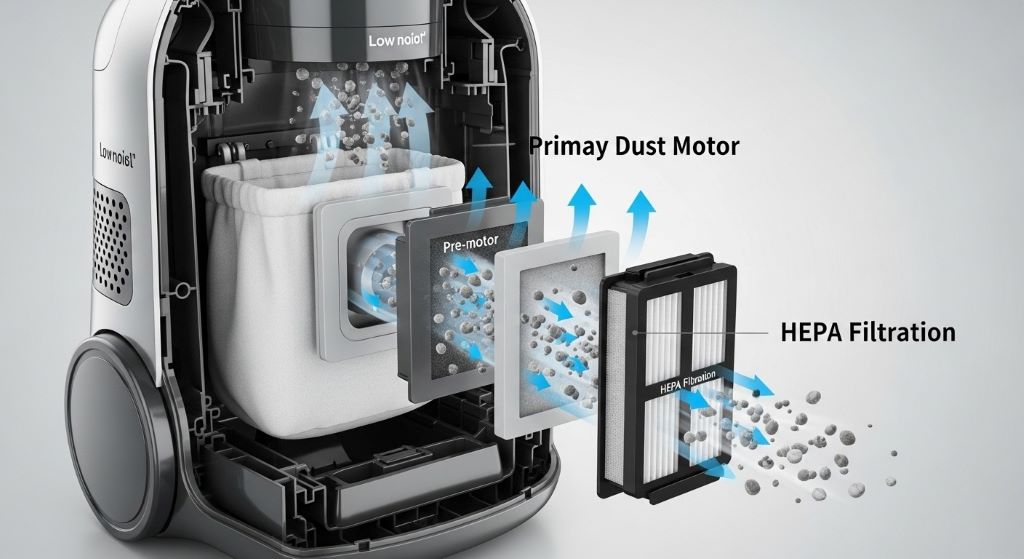
Air quality concerns have made filtration systems increasingly important. Standard filters capture large particles but allow fine dust to recirculate. Advanced filtration technology addresses this limitation effectively. HEPA filtration vacuum systems trap particles as small as 0.3 microns with high efficiency.
Homes with allergy sufferers benefit tremendously from superior filtration. Dust mites, pollen, and pet dander trigger respiratory issues for sensitive individuals. HEPA filters remove these allergens from the air rather than spreading them around. This capability makes vacuuming improve rather than compromise air quality.
Multiple filtration stages provide enhanced protection. Pre-filters capture larger debris before it reaches the main filter. This arrangement extends the life of expensive HEPA filters. Some systems also include carbon filters to absorb odors from pets or cooking.
Filter maintenance requirements vary significantly between models. Washable filters reduce long-term costs but require regular cleaning. Disposable filters offer convenience but create ongoing expenses. Consider your preference for maintenance versus replacement costs when selecting a system.
Sealed filtration systems prevent unfiltered air from escaping the vacuum body. Air should enter through the cleaning head and exit only after passing through all filters. Gaps around filter housings or motor compartments compromise this protection. Quality construction ensures complete filtration of all airflow.
Considering Maneuverability and Storage
Ease of movement affects how thoroughly you clean your home. Heavy, awkward machines discourage frequent use. Canister vacuums excel in this area due to their separated design. The main unit glides smoothly across floors on large wheels or casters.
Wheel size and quality impact rolling resistance on different surfaces. Larger wheels roll more easily over carpets and thresholds. Rubberized wheels protect hardwood floors from scratches. Some premium models feature ball-bearing wheels for effortless movement.
Compact storage becomes important in smaller living spaces. Canister vacuums typically require less vertical space than uprights. However, the hose and accessories need organized storage. Look for models with built-in compartments or clips for attachments.
Retractable power cords eliminate tangled messes in your closet. Automatic rewind mechanisms pull the cord inside with the push of a button. This feature saves time and prevents damage to the cord. Manual cord wraps work adequately but require more effort.
Attachment Variety for Specialized Cleaning
Versatile attachments expand your vacuum’s capabilities considerably. Different surfaces and objects require specific tools for optimal results. A comprehensive accessory set addresses various cleaning challenges throughout your home.
Crevice tools reach into narrow gaps between cushions and appliances. These long, slender attachments access areas the main head cannot. Quality crevice tools feature adequate length and sturdy construction. Flimsy attachments bend or break when pressed into tight spaces.
Upholstery brushes gently clean furniture fabrics without damage. Soft bristles loosen embedded dirt while protecting delicate materials. Some designs include removable lint strips for picking up pet hair. This dual functionality proves especially valuable for pet owners.
Dusting brushes handle delicate items like lampshades and blinds. Soft, long bristles sweep away dust without scratching surfaces. Retractable bristles on some models allow use as a standard nozzle. This versatility reduces the number of tools you need to swap.
Motorized brush rolls tackle stubborn carpet dirt effectively. These powered attachments agitate carpet fibers while vacuuming. Pet hair and ground-in debris release more easily with mechanical agitation. Electric or turbine-driven options both provide good results.
Evaluating Build Quality and Durability
Investment in a quality vacuum pays dividends over many years. Cheap construction leads to frequent repairs or premature replacement. Several indicators help you assess overall build quality before purchasing.
Material selection reveals manufacturer priorities regarding durability. High-impact plastic resists cracks from accidental bumps. Metal components in high-stress areas extend service life. Examine the construction of wheels, latches, and adjustment mechanisms.
Warranty coverage demonstrates manufacturer confidence in their product. Longer warranties suggest superior reliability and construction. However, also review what the warranty actually covers. Some warranties exclude normal wear items like filters and belts.
Brand reputation provides guidance when comparing similar models. Established manufacturers with decades of experience typically produce reliable products. Customer service quality matters when repairs become necessary. Research whether the company maintains service centers or authorizes local repair shops.
User reviews mention reliability issues that may not appear immediately. Look for patterns in complaints about specific failure points. A few negative reviews among hundreds indicate normal variation. Widespread reports of the same problem suggest a design flaw.
Budgeting for Your Canister Vacuum Purchase
Price ranges for canister vacuums span from budget-friendly to premium models. Understanding what drives these differences helps you make an informed decision. Not every feature justifies a higher price for every household.
Entry-level models provide basic functionality at accessible prices. These vacuums handle routine cleaning tasks adequately. However, they may lack advanced features like adjustable suction or premium filtration. Consider whether your needs justify additional investment.
Mid-range options balance features and affordability effectively. These models often include variable power settings and quality filtration. Build quality typically improves in this price bracket. Most households find excellent value in this category.
Premium vacuums incorporate cutting-edge technology and superior materials. These investments make sense for large homes or demanding cleaning situations. Professional-grade construction withstands heavy use over many years. Additionally, premium brands often provide better customer support.
Total cost of ownership includes replacement parts and filters. Some inexpensive models require frequent filter replacement. Others use costly proprietary bags that increase operating expenses. Calculate these ongoing costs when comparing purchase prices.
Making Your Final Decision
Selecting the right canister vacuum requires balancing multiple factors. Start by identifying your specific cleaning challenges and priorities. Hard floors require different capabilities than thick carpets. Pet owners need stronger filtration and specialized attachments.
Create a list of must-have features versus nice-to-have options. This clarity prevents you from being swayed by unnecessary bells and whistles. Focus your budget on features that address your actual needs. Fancy additions provide little value if you never use them.
Test models in person whenever possible. Push the vacuum around the store to assess maneuverability. Listen to the motor to evaluate noise levels. Check how easily attachments connect and disconnect. Hands-on experience reveals aspects that specifications cannot convey.
Research online reviews from verified purchasers. These accounts provide honest assessments of long-term performance. Pay attention to comments about customer service experiences. A company that stands behind its products resolves issues promptly.
Conclusion
Choosing the right canister vacuum transforms your cleaning experience. Models with quiet vacuum cleaner technology let you clean without disturbing your household. Flexible hose cleaning capabilities ensure you can reach every corner of your home. HEPA filtration vacuum systems protect your family’s respiratory health while cleaning.
Consider noise levels, suction power, filtration quality, and maneuverability when making your selection. Quality attachments expand versatility for different cleaning tasks. Durable construction ensures years of reliable service. Balance your budget with features that address your specific needs.
Take time to research thoroughly before making this important purchase. Read reviews, compare specifications, and test models when possible. The right canister vacuum will serve your home effectively for many years. Your investment in careful selection pays dividends in cleaner floors and healthier indoor air.
Frequently Asked Questions
What decibel level should I look for in a quiet canister vacuum?
Look for models operating below 70 decibels for comfortable use. Many quiet models range between 60-68 decibels, similar to normal conversation levels. Anything above 75 decibels may cause discomfort during extended cleaning sessions.
How often should I replace HEPA filters in my canister vacuum?
Most HEPA filters require replacement every 6-12 months depending on usage frequency. Some washable HEPA filters last longer but need monthly cleaning. Always follow manufacturer recommendations for your specific model to maintain optimal performance.
Can canister vacuums clean carpets as effectively as upright models?
Yes, canister vacuums with motorized brush attachments clean carpets excellently. The separated design actually provides better maneuverability around furniture. Choose models specifically designed for carpets with adjustable height settings for best results.
What length hose is ideal for a canister vacuum?
A hose between 6-8 feet provides the best balance of reach and manageability. Shorter hoses limit your range, while longer ones become unwieldy. Consider your home layout when selecting hose length for your needs.
Are bagless canister vacuums better than bagged models?
Both types have advantages depending on your priorities. Bagless models eliminate ongoing bag costs but require more frequent dust bin cleaning. Bagged vacuums offer more hygienic disposal and often provide better filtration for allergy sufferers.
Related Topics:
Zero-Waste Living: Tips to Get Started Without Overwhelm
Morning vs Night Skincare: What You Should Use and When for Radiant, Healthy Skin


