
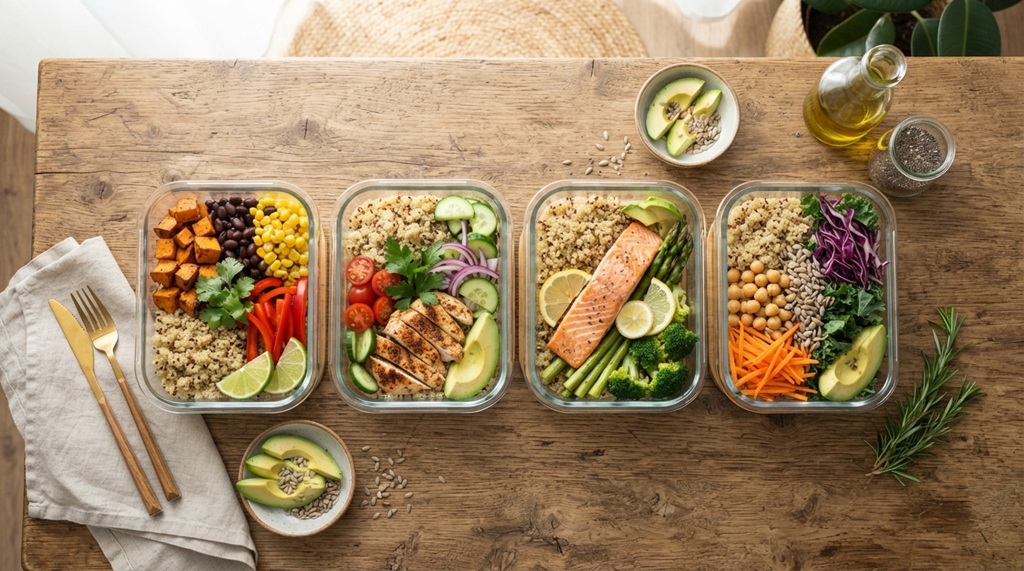
To follow a clean eating guide, build your meals around whole, minimally processed foods. Fill your plate with vegetables, fruits, whole grains, lean proteins, and healthy fats. Cut back on sugary drinks, packaged snacks, and heavily processed meals.
Clean eating is not a strict diet. It is a simple way of choosing real food most of the time. You do not need special products, expensive ingredients, or perfect habits.
This guide shows you how to start, what to buy, and how to stay consistent. You will also find a sample day of meals and answers to common questions.
What Is Clean Eating?
Clean eating means choosing foods that are close to their natural state. A clean meal usually has short, simple ingredients that you can recognize.
There is no single official definition. Different guides have different rules. Most agree on one idea: eat more whole foods and fewer ultra-processed ones.
Foods Most Clean Eating Guides Encourage
These foods form the base of most clean eating plans:
- Vegetables and fruits, fresh or frozen
- Whole grains such as oats, brown rice, and quinoa
- Beans, lentils, and chickpeas
- Eggs, fish, poultry, and tofu
- Nuts, seeds, and olive oil
- Plain yogurt and water
Foods Most Guides Suggest Limiting
You do not have to ban these foods. Just eat them less often:
- Soda, energy drinks, and sweetened coffee drinks
- Packaged cookies, chips, and candy
- White bread and sugary breakfast cereals
- Fast food and frozen meals with long ingredient lists
- Processed meats such as sausages and bacon
Start With Small, Realistic Changes
The best way to start clean eating is to change one or two habits at a time. Big overhauls often fail within a few weeks. Small changes last longer.
Pick one change this week. For example, swap your afternoon soda for sparkling water. Next week, add a vegetable to dinner.
Here are some easy first steps:
- Drink water before reaching for a sweet drink.
- Add one fruit or vegetable to every meal.
- Replace white bread with whole grain bread.
- Cook at home two or three extra nights a week.
Progress matters more than perfection. If you eat a slice of cake at a party, simply return to your plan at the next meal.
Learn to Read Food Labels
Reading labels helps you spot hidden sugar, salt, and additives. Check the ingredient list first. Ingredients appear in order, from the largest amount to the smallest.
A shorter list is often a good sign. If the first few ingredients are sugar, syrup, or refined flour, the product is probably highly processed.
What to Look For
Keep these tips in mind when you shop:
- Added sugars: Look for words like glucose, corn syrup, and cane sugar.
- Sodium: Compare brands and choose the lower option.
- Whole grains: Look for “whole wheat” or “whole oats” as the first ingredient.
- Unknown additives: A few are fine. A long chemical-sounding list is a signal to look for alternatives.
Do not let labels overwhelm you. You only need to compare two or three products and pick the simpler one.
Plan Your Meals and Shop Smart
Proactive planning forms the cornerstone of a sustainable clean eating lifestyle, seamlessly bridging the gap between nutritional intentions and daily choices. By mapping out three or four nutrient-dense dinners each week and curating your grocery list strictly around those recipes, you eliminate decision fatigue and drastically reduce reliance on impulse takeout. Completing your list with whole-food breakfast staples and unrefined snacks transforms your kitchen into an anchor for well-being. Prioritizing these fresh, wholesome ingredients not only optimizes digestion but also delivers steady, cellular-level vitality—and if you are ready to elevate your daily routine even further, exploring what healthy eating habits boost energy? will help you unlock lasting stamina throughout the day.
Smart Shopping Tips
- Shop the edges of the store first, where fresh produce, dairy, and proteins usually sit.
- Buy frozen vegetables and fruit. They are affordable and last longer.
- Choose plain versions of yogurt, oats, and nuts. Then add your own fruit or honey.
- Buy beans, lentils, and rice in bulk to save money.
- Never shop while very hungry.
Clean eating does not have to cost a lot. Seasonal produce, dried beans, eggs, and oats are all budget-friendly.
Build a Balanced Clean Plate
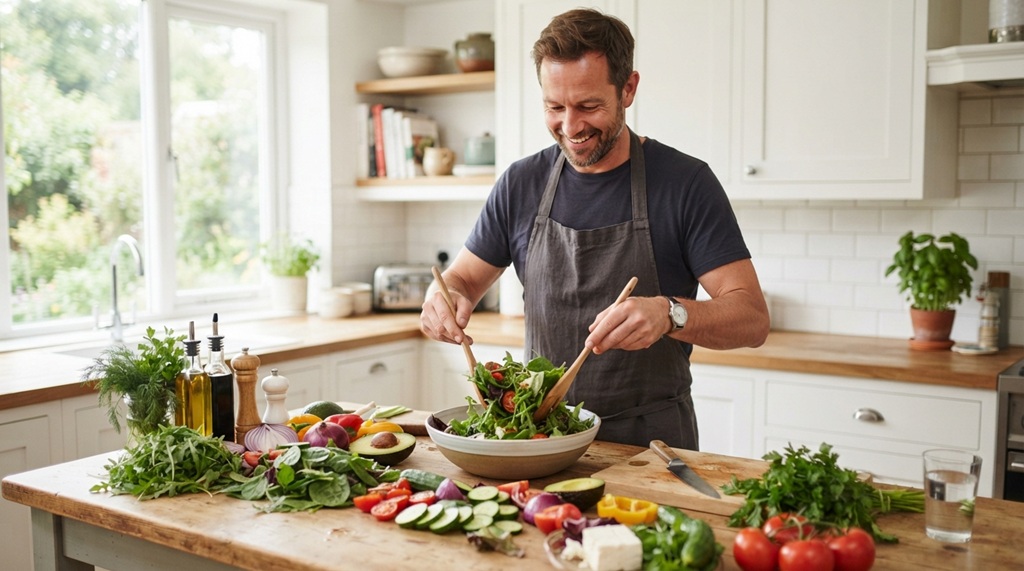
A balanced clean plate includes protein, fiber-rich carbs, vegetables, and healthy fat. This mix keeps you full and gives you steady energy.
Use this simple plate method for lunch and dinner:
- Fill half your plate with vegetables or salad.
- Fill one quarter with lean protein, such as fish, chicken, eggs, or beans.
- Fill one quarter with whole grains or starchy vegetables.
- Add a small amount of healthy fat, like olive oil or avocado.
Sample Clean Eating Day
This example shows how simple a day can look:
- Breakfast: Oatmeal with berries, chopped nuts, and a spoon of plain yogurt
- Lunch: Brown rice bowl with grilled chicken, roasted vegetables, and olive oil
- Snack: An apple with peanut butter
- Dinner: Baked fish, steamed broccoli, and a small baked potato
Vegetarian? Swap the chicken and fish for lentils, tofu, or chickpeas. Every culture has its own whole food traditions, so feel free to use familiar local dishes and ingredients.
Stay Consistent and Avoid Common Mistakes
Consistency is the real secret to clean eating. A plan you can keep for months beats a perfect plan you quit in days.
Watch out for these common mistakes:
- Being too strict: Rigid rules can lead to guilt and overeating.
- Cutting out entire food groups: Unless a doctor advises it, keep a variety of foods.
- Trusting “healthy” labels blindly: Words like “natural” and “light” do not guarantee a healthy product.
- Ignoring portions: Even healthy foods add up.
- Forgetting to drink water: Thirst can feel like hunger.
Follow the 80/20 approach if you like flexibility. Eat clean about 80 percent of the time. Enjoy your favorite treats the rest of the time without stress.
If you have a medical condition, are pregnant, or take medication, talk to a doctor or registered dietitian first. They can tailor advice to your needs.
Frequently Asked Questions
Is clean eating the same as dieting?
No. Clean eating focuses on food quality, not strict calorie counting. You can use it for weight loss or simply to feel better. The key is to keep it flexible and sustainable.
Do I have to eat organic food to eat clean?
No. Organic food is optional. Conventional fruits and vegetables are still a healthy choice. Washing produce well is a good habit either way.
Can I eat clean on a small budget?
Yes. Frozen vegetables, dried beans, oats, eggs, and seasonal produce cost little. Cooking at home also saves money compared with takeout.
Can I still eat out while eating clean?
Yes. Choose grilled, baked, or steamed dishes and add a side of vegetables. Ask for sauces on the side. One restaurant meal will not undo your progress.
How long does it take to see results?
It varies from person to person. Some people notice better energy and digestion within a few weeks. Lasting results come from steady habits over time.
Conclusion
Following a clean eating guide is simple. Choose whole foods, read labels, plan your meals, and make small changes you can keep. Perfection is not the goal.
Start today with one step. Add a vegetable to your next meal or swap one sugary drink for water. Small, steady choices add up to lasting healthy habits.


