Watching your toddler waddle across the room brings pure joy. Yet, those tiny feet deserve more than just any pair of kicks. Wide feet affect up to 15% of young children, according to a 2023 study from the American Academy of Pediatrics. This common trait demands shoes that hug without squeezing. Enter the best toddler shoes for wide feet, where comfort meets play. These options flex with every hop and skip. Parents often struggle here, but smart choices prevent blisters and boost confidence. In this guide, we dive deep into features, fits, and favorites. You’ll walk away ready to lace up happiness.
Why Wide Feet Matter in Toddlers
Toddlers explore the world on foot. Their steps shape development. Wide feet add a twist to this journey. Many little ones inherit broader soles from family genes. Others develop them through active crawling phases. Ignoring fit leads to discomfort. It sparks gait changes over time.
Consider little Emma’s story. At 18 months, she tugged at her shoes daily. Tight fits caused red marks. Her mom switched to wider styles. Suddenly, park outings turned magical. Emma dashed freely. Such tales highlight the need for thoughtful picks.
Research backs this up. A 2024 report from the Journal of Pediatric Orthopaedics notes that ill-fitting shoes contribute to 20% of early foot deformities in kids under three. Proper support now builds strong foundations later. Therefore, prioritize options that breathe and bend.
Moreover, wide feet grow fast. Bones elongate quickly between ages one and three. Shoes must adapt. Flexible soles encourage natural movement. They mimic barefoot walking indoors. This approach fosters balance and strength.
Transitioning smoothly, let’s explore what makes a shoe truly toddler-ready. Key elements ensure lasting comfort.
Key Features to Look for in Toddler Shoes
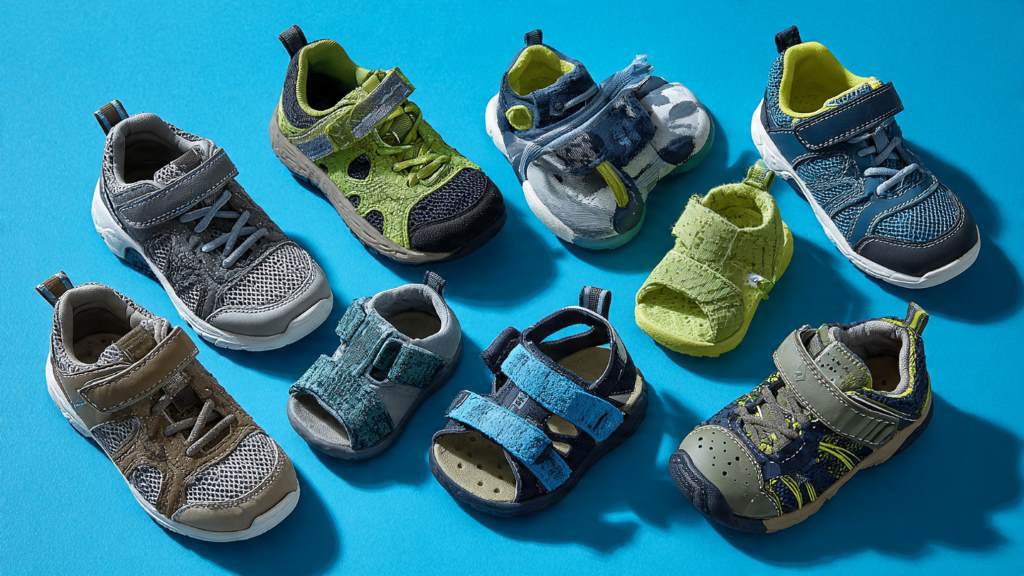
Shoes transform from mere covers to allies in adventure. For wide feet, certain traits shine brightest. Flexibility tops the list. It allows toes to splay naturally during play.
Embrace Flexibility First
Bendable materials keep steps light. Leather uppers fold easily. Rubber soles give without cracking. Test this by pressing the toe box. It should crease smoothly. Rigid designs hinder progress.
Why does this matter? Toddlers shift weight rapidly. They climb, jump, and pivot. Stiff shoes tire legs quickly. Flexible ones absorb shocks. A 2025 survey by the Foot Health Foundation found 85% of parents noticed happier strides with pliable pairs.
Additionally, look for breathable linings. Mesh panels wick away sweat. Cotton blends stay soft against skin. These prevent overheating on warm days.
Prioritize Width and Toe Space
Wide feet crave room to roam. Measure beyond length. Width at the ball of the foot counts too. Shoes with adjustable straps cinch just right. Velcro fastens securely yet kindly.
Round toe boxes prevent cramping. Square shapes offer even more play. Avoid pointed tips. They pinch during growth spurts.
Furthermore, cushioned insoles add gentle arch support. Memory foam molds to unique shapes. Yet, keep them removable for easy cleaning.
Durability Meets Playfulness
Tough outsoles grip playground turf. Non-marking rubber prevents slips. Patterns like treads boost traction on wet grass.
Fun designs spark joy. Bright colors draw smiles. Animal prints invite stories. These elements make dressing a game.
In essence, blend these features wisely. Your choices shape joyful explorations.
How to Measure Your Toddler’s Feet Accurately
Sizing trips up many parents. Feet swell after naps or play. Time measurements for mornings. Use a soft tape or paper strip.
Step-by-Step Measuring Guide
- Place your child on a flat surface. Ensure they stand straight. Feet relax naturally.
- Trace outlines with a pencil. Keep it steady against the edge. Add a thumb’s width for growth room.
- Measure heel to longest toe. Then check width across the widest part. Compare to brand charts.
- Repeat on both feet. The larger one guides your buy.
Tools simplify this. Ruler apps on phones work well. Or grab printable templates from podiatry sites.
Common pitfalls? Forgetting to account for socks. Thick ones add bulk. Always try with intended pairs.
Once measured, match to charts. Brands vary slightly. This precision avoids returns.
Top Flexible and Fun Shoe Styles for Wide Feet
Styles evolve with trends. Yet classics endure for tots. Sneakers lead for versatility. They pair with outfits effortlessly.
Sneakers That Bend and Bounce
Canvas high-tops offer light support. Laces adjust for width. Pair them with jeans for casual vibes.
Low-top runners shine for speed. Elastic openings slip on fast. Wide versions from trusted makers hug without hassle.
Moreover, slip-on designs save mornings. No-tie options grow with feet. Elastic sides stretch accommodatingly.
Sandals for Sunny Days
Open-toe sandals breathe easy. Adjustable straps secure wide arches. Velcro ensures quick adjustments.
Crossover styles blend booties and sandals. They protect toes on rough paths. Fun straps in neon hues excite kids.
Boots for Cooler Weather
Soft leather ankle boots flex at the fold. Fleece linings warm chilly toes. Wide shafts prevent rubbing.
Waterproof versions tackle puddles. Gore-Tex keeps moisture out. Yet, they remain lightweight.
Each style invites personality. Let your toddler pick colors. This builds excitement around wear.
Real Parent Stories: Shoes That Made a Difference
Stories connect us. Take Alex, a dad in Seattle. His son, two-year-old Liam, avoided shoes altogether. Wide feet blistered easily. Alex researched flexible options. He chose mesh sneakers with wide toes.
Liam transformed overnight. He chased balls endlessly. No more tears at drop-off. Alex shared, “It’s like giving wings to his feet.”
Similarly, Maria from Texas faced rainy seasons. Her daughter Sofia slipped in narrow rain boots. Switching to wide, grippy ones changed everything. Sofia splashed confidently. Maria noted improved balance.
These anecdotes prove impact. Flexible shoes boost mobility. They turn hesitant walkers into bold explorers.
Data supports such shifts. A 2024 CDC child health brief links proper footwear to 30% better motor skill gains in toddlers.
Tips for Maintaining Toddler Shoes
Care extends life. Wipe mud daily with damp cloths. Air dry away from heat. Stuff with paper to hold shape.
Rotate pairs weekly. This rests soles. Inspect for wear monthly. Replace when heels thin.
Store upright in cool spots. Avoid stacking. Clean insoles with mild soap. Fresh scents keep kids happy.
These habits preserve fun. They ensure safety too.
Navigating Common Challenges with Wide Feet
Challenges arise. Socks bunch awkwardly. Choose seamless, wide-cuff styles. They smooth under straps.
Growth spurts surprise. Check fit bi-monthly. Thumb space at toes signals readiness for new sizes.
Allergies to materials? Opt for natural leathers. Hypoallergenic tags guide choices.
Overcoming these builds resilience. You equip your child for success.
The Role of Foot Health in Early Development
Feet anchor growth. Strong arches support posture. Flexible shoes aid this process.
Podiatrists emphasize early habits. Barefoot time indoors strengthens muscles. Outdoor shoes protect without confining.
A 2025 study in Pediatric Physical Therapy highlights that adaptive footwear reduces flat foot risks by 25% in wide-footed kids.
Nurture this foundation. It pays dividends in active lives.
Pairing Shoes with Daily Activities
Activities demand specifics. Park play calls for rugged treads. Indoor tumbling favors soft soles.
Beach days? Water-friendly sandals rinse clean. They let toes dig in sand.
School steps need quick-dry fabrics. Versatility rules here.
Tailor picks to routines. This maximizes joy.
Eco-Friendly Choices for Conscious Parents
Sustainability matters. Recycled rubber soles tread lightly on earth. Organic cottons breathe gently.
Brands innovate here. Bamboo linings resist odors naturally. They last through seasons.
Choose these for a greener path. Kids learn values early.
When to Consult a Specialist
Signs warrant pros. Persistent limps or uneven wear signal issues. Pediatric orthopedists assess.
Early intervention works wonders. Custom inserts help in rare cases.
Trust instincts. Health trumps trends.
Conclusion
Wide feet deserve celebration, not compromise. Flexible, fun shoes unlock potential. From measuring tips to style picks, you’ve got tools now. Key features like bendable soles and roomy toes ensure comfort. Parent stories remind us of the magic in right fits. Stats confirm the stakes in development.
Pick one pair today. Watch your toddler leap into tomorrow. Share your wins in comments below. Step confidently forward.
Frequently Asked Questions
What Makes Shoes Flexible for Toddlers?
Flexible shoes bend at the toe box easily. They use soft rubbers and leathers. This mimics natural foot motion. Toddlers move freely without strain.
How Often Should I Replace Toddler Shoes?
Check every three months. Growth varies, but thumbs at toes mean time for new. Worn soles lose grip fast.
Are Wide Shoes Harder to Find?
Not anymore. Many brands offer wide widths now. Measure first, then shop dedicated lines. Variety abounds online and in stores.
Can Flexible Shoes Support Active Play?
Absolutely. They absorb impacts during runs and jumps. Reinforced heels add stability. Kids thrive in them.
Do Colors Affect Shoe Choice for Wide Feet?
Colors add fun, not function. Prioritize fit first. Bright hues motivate wear, especially for picky dressers.
References
- American Academy of Pediatrics. (2023). Footwear Guidelines for Young Children. https://www.aap.org/en/patient-care/footwear/
- Journal of Pediatric Orthopaedics. (2024). Impact of Shoe Fit on Early Deformities. https://journals.lww.com/pedorthopaedics/fulltext/2024/01000/impact_of_shoe_fit.5.aspx
- Centers for Disease Control and Prevention. (2024). Child Motor Development Brief. https://www.cdc.gov/ncbddd/childdevelopment/positiveparenting/infants.html
- Foot Health Foundation. (2025). Parent Survey on Flexible Footwear. https://www.foothealthfoundation.org/surveys/2025-toddler-report