

Imagine a life where every choice you make helps the planet thrive—no overflowing trash bins, no guilt over single-use plastics, just simple, sustainable habits that feel good and do good. Zero-waste living might sound like a lofty goal, but it’s more achievable than you think. With landfills piling up and oceans choking on plastic, adopting a low-waste lifestyle is a powerful way to make a difference without feeling overwhelmed. This guide breaks down practical, beginner-friendly tips to ease you into zero-waste living, ensuring you stay motivated and avoid burnout.
What Is Zero-Waste Living?
Zero-waste living is about reducing the amount of waste you produce, aiming for as little as possible to end up in landfills or incinerators. It’s not about perfection—think of it as a journey toward sustainable choices that align with your values. By focusing on the “5 Rs” (Refuse, Reduce, Reuse, Recycle, Rot), you can create a lifestyle that minimizes environmental impact while simplifying your daily routine.
For beginners, the idea of producing no waste can feel daunting. But small, intentional changes can lead to big results. Whether you’re looking to cut down on plastic, save money, or live more mindfully, this article will guide you through actionable steps to start your zero-waste journey with confidence.
Why Start a Zero-Waste Lifestyle?
The average person generates about 4.9 pounds of waste daily, much of it non-recyclable. Landfills are overflowing, and plastic pollution is harming wildlife and ecosystems. Adopting zero-waste habits not only reduces your environmental footprint but also promotes mindfulness, saves resources, and can even lower your household expenses. Plus, it’s a chance to inspire others—your small actions can ripple out to create a bigger impact.
Ready to dive in? Here are practical tips to embrace zero-waste living without feeling like you’re overhauling your entire life.
Tip 1: Start Small with High-Impact Changes
The key to avoiding overwhelm is to focus on one or two changes at a time. Identify areas where you generate the most waste—maybe it’s single-use coffee cups or plastic grocery bags. Tackle those first.
- Swap disposables for reusables: Invest in a reusable water bottle, coffee cup, or cloth shopping bags. These small switches can prevent hundreds of disposable items from ending up in landfills each year.
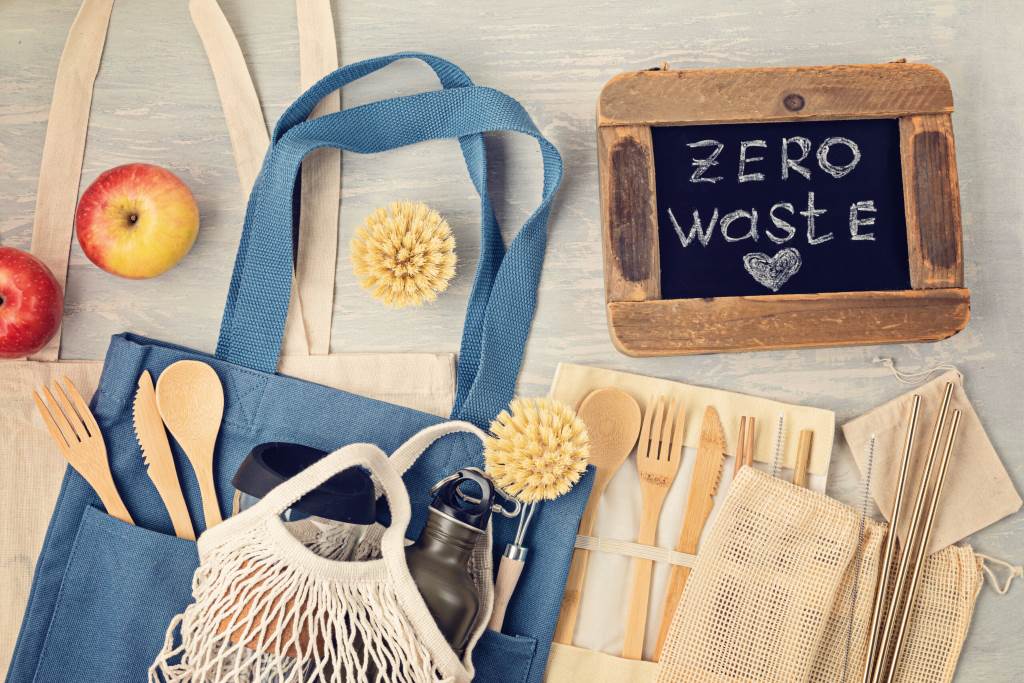
- Say no to single-use plastics: Refuse plastic straws, cutlery, or takeout containers. Keep a set of bamboo utensils or a stainless-steel straw in your bag for on-the-go moments.
- Audit your waste: Spend a week tracking what you throw away. This helps pinpoint easy wins, like replacing paper towels with reusable cloths or opting for package-free produce.
By starting with manageable changes, you build momentum without feeling pressured to be “perfect.”
Tip 2: Shop Smarter with a Zero-Waste Mindset
Your shopping habits play a huge role in waste reduction. With a little planning, you can minimize packaging and make sustainable choices that align with your budget.
- Bring your own containers: Visit bulk stores or farmers’ markets where you can fill reusable jars with grains, spices, or snacks. Many stores offer package-free options, reducing plastic waste.
- Choose local and seasonal: Locally sourced produce often comes with less packaging and supports sustainable farming practices. Plus, it’s fresher and often cheaper.
- Plan your grocery list: Avoid impulse buys that lead to food waste. Plan meals, check your pantry, and buy only what you need.
Pro tip: Look for stores with bulk bins or “zero-waste” sections. Apps like “Good On You” can help you find eco-friendly brands that align with your values.
Tip 3: Rethink Your Kitchen for Sustainability
The kitchen is a great place to kickstart your zero-waste journey. It’s where many of us generate the most waste, from food scraps to plastic packaging.
- Compost food scraps: Turn vegetable peels, coffee grounds, and eggshells into nutrient-rich compost for your garden. If you don’t have a backyard, check for community composting programs.
- Store food wisely: Use beeswax wraps, glass containers, or silicone lids instead of plastic wrap or bags. These keep food fresh longer and reduce waste.
- Cook with leftovers: Get creative with leftovers to minimize food waste. Turn stale bread into croutons or veggie scraps into broth.
A zero-waste kitchen isn’t just eco-friendly—it’s a chance to get creative and save money by using every bit of what you buy.
Tip 4: Simplify Your Personal Care Routine
Personal care products like shampoo bottles, toothpaste tubes, and disposable razors contribute to plastic waste. Switching to sustainable alternatives can make a big difference.
- Try package-free products: Opt for shampoo bars, solid soaps, or toothpaste tablets that come in compostable or recyclable packaging.
- Invest in long-lasting tools: Swap disposable razors for a safety razor with replaceable blades. Use a bamboo toothbrush instead of a plastic one.
- Make your own: DIY recipes for deodorant, lotion, or lip balm are simple and let you control ingredients while avoiding excess packaging.
These swaps not only cut waste but often lead to healthier, chemical-free products for your body.
Tip 5: Embrace Secondhand and Repair
Fast fashion and throwaway culture contribute massively to waste. By choosing secondhand and repairing items, you can extend their life and reduce demand for new products.
- Shop secondhand: Thrift stores, online marketplaces, and clothing swaps offer unique finds while keeping items out of landfills.
- Repair what you own: Learn basic sewing to mend clothes or take shoes to a cobbler. Many items can be fixed with a little effort.
- Borrow or rent: For one-off needs like party dresses or tools, consider borrowing from friends or renting instead of buying new.
This approach not only saves resources but also adds a layer of mindfulness to your consumption habits.
Tip 6: Get Creative with Upcycling
Upcycling transforms items that might otherwise be thrown away into something useful or beautiful. It’s a fun way to reduce waste and spark creativity.
- Repurpose jars and containers: Use glass jars for storage, planters, or even as drinking glasses.
- Turn old clothes into new items: Cut up worn T-shirts into cleaning rags or sew them into reusable produce bags.
- DIY home decor: Create art or furniture from reclaimed materials, like turning wooden pallets into shelves.
Upcycling is a budget-friendly way to personalize your space while keeping waste out of landfills.
Tip 7: Educate Yourself and Stay Inspired
Zero-waste living is a learning process. Stay motivated by connecting with others and expanding your knowledge.
- Follow zero-waste influencers: Blogs, podcasts, and social media accounts like @going.zero.waste or @zerowastehome offer tips and inspiration.
- Join local groups: Look for zero-waste meetups or online communities to share ideas and learn from others.
- Read up: Books like Zero Waste Home by Bea Johnson or The Zero-Waste Lifestyle by Amy Korst provide practical advice for sustainable living.
Surrounding yourself with like-minded people keeps the journey fun and helps you stay accountable.
Overcoming Common Challenges
Starting a zero-waste lifestyle isn’t without hurdles. Here’s how to tackle common obstacles:
- Time constraints: Zero-waste habits like meal planning or DIY projects take time upfront but save effort in the long run. Start with quick swaps like reusable bags.
- Higher costs: Some sustainable products have a higher upfront cost, but they last longer. Look for secondhand options or start with affordable changes like composting.
- Lack of access: If bulk stores or farmers’ markets aren’t nearby, focus on reducing waste at home with what you have, like reusing containers or buying in larger quantities to cut packaging.
Remember, progress over perfection. Every small step counts toward a more sustainable future.
The Bigger Picture: Why Your Efforts Matter
Every reusable bag, composted scrap, or repaired item reduces the strain on our planet. According to the EPA, recycling and composting prevented 193 million metric tons of carbon dioxide emissions in 2020 alone. Your actions contribute to cleaner oceans, healthier ecosystems, and a more sustainable world for future generations.
Plus, zero-waste living isn’t just about the environment—it’s about creating a life that’s intentional, fulfilling, and aligned with your values. By starting small and staying consistent, you’ll find that sustainable living becomes second nature.
Take Your First Step Today
Ready to embrace zero-waste living? Pick one tip from this guide—whether it’s swapping to a reusable water bottle, composting food scraps, or shopping secondhand—and commit to it for a week. Share your progress in the comments below or tag us on social media with your zero-waste wins! Want more tips? Subscribe to our newsletter for weekly sustainable living ideas and join our community of eco-conscious beginners making a difference, one small step at a time.


