

Making your own nut milk yogurt is easier than you might think — and the results are creamy, nutritious, and completely customizable. Whether you’re vegan, lactose-intolerant, or just love DIY kitchen projects, this guide will walk you through everything you need to know.
What Is Nut Milk Yogurt?
Nut milk yogurt is a plant-based alternative to traditional dairy yogurt, made by fermenting nut milk with probiotic cultures. It offers a creamy texture, tangy flavor, and a boost of gut-friendly bacteria — all without dairy. Almond, cashew, macadamia, or hazelnut milk are popular bases, with almond milk being the most common choice for beginners due to its mild taste and easy availability.
Why Make Nut Milk Yogurt at Home?
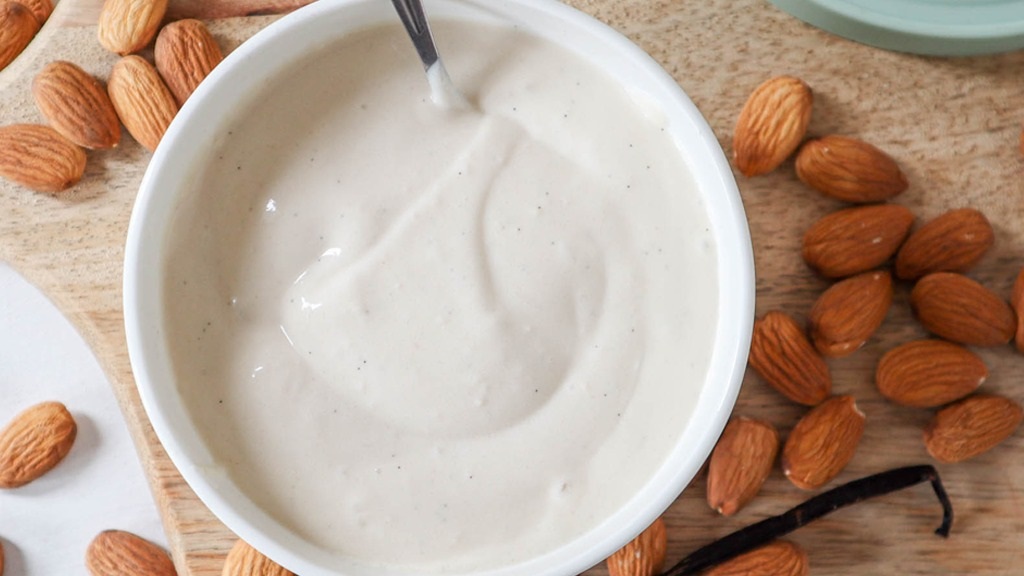
While store-bought plant-based yogurts are widely available, homemade versions have distinct advantages. Here’s why you should try making your own:
- Control over ingredients: Avoid additives, thickeners, and preservatives often found in commercial products.
- Dietary benefits: Perfect for vegan, paleo, and lactose-intolerant diets.
- Cost-effective: Cheaper than premium store-bought brands.
- Customizable: Adjust texture, flavor, and probiotic levels to your preference.
Health Benefits of Nut Milk Yogurt
Homemade nut milk yogurt is packed with health benefits:
- Rich in probiotics: Supports digestive health and strengthens the immune system.
- Lower in sugar: Control sweetness and skip hidden sugars found in commercial yogurts.
- Healthy fats: Nuts provide heart-healthy monounsaturated fats and essential nutrients.
- Improved gut health: Regular consumption helps maintain a balanced microbiome.
Choosing the Best Nut Milk
The type of nut milk you choose significantly affects the yogurt’s taste and texture. Here’s a quick comparison:
| Nut Type | Flavor | Texture | Best For |
|---|---|---|---|
| Almond | Mild, slightly nutty | Light and smooth | All-purpose yogurt |
| Cashew | Creamy, sweet | Thick and rich | Desserts and parfaits |
| Macadamia | Buttery | Silky and rich | Luxury-style yogurt |
| Hazelnut | Strong, nutty | Medium-thick | Chocolate or coffee pairings |
For beginners, homemade almond milk is an excellent choice — it’s easy to make, budget-friendly, and creates a versatile yogurt base.
What You’ll Need
Ingredients
- 4 cups unsweetened almond milk (homemade or store-bought)
- 2 probiotic capsules or 2 tablespoons plain plant-based yogurt (as a starter)
- 1 tablespoon maple syrup or coconut sugar (optional, to feed the bacteria)
- 1 teaspoon agar-agar or 1 tablespoon tapioca starch (optional thickener)
Equipment
- Blender (if making nut milk from scratch)
- Nut milk bag or cheesecloth
- Medium saucepan
- Thermometer (optional but recommended)
- Glass jars or containers with lids
- Incubation space (oven light, dehydrator, or yogurt maker)
Step-by-Step: How to Make Almond Milk Yogurt
Step 1: Prepare the Almond Milk
If making from scratch, soak 1 cup of raw almonds overnight. Drain and rinse them, then blend with 4 cups of filtered water until smooth. Strain through a nut milk bag or cheesecloth for a silky texture.
Step 2: Heat the Milk
Pour the almond milk into a saucepan and gently heat it to around 105–110°F (40–43°C). This is the ideal temperature range for probiotics to thrive. Avoid overheating, as temperatures above 115°F can kill the beneficial bacteria.
Step 3: Add Probiotics
Once cooled slightly (but still warm), open the probiotic capsules and whisk the contents into the milk. Alternatively, add 2 tablespoons of plain plant-based yogurt as a starter. Stir gently to distribute the cultures evenly.
Step 4: Incubate the Yogurt
Pour the mixture into sterilized glass jars. Cover loosely with a lid or clean cloth. Place the jars in a warm, draft-free environment such as an oven with the light on, a dehydrator set to 105°F, or a yogurt maker. Ferment for 8–12 hours.
The longer the fermentation, the tangier the yogurt will be. Start tasting at the 8-hour mark and stop when it reaches your desired flavor.
Step 5: Chill and Store
Once fermentation is complete, transfer the yogurt to the refrigerator for at least 4 hours. This chilling process helps the yogurt thicken and sets the texture. Your nut milk yogurt is now ready to enjoy!
Tips for Perfect Texture and Flavor
- Use a thickener: Almond milk has less natural fat than dairy, so adding agar-agar or tapioca starch improves thickness.
- Feed the bacteria: A small amount of sugar or maple syrup boosts fermentation activity.
- Keep it warm: Consistent temperature ensures even fermentation and reduces separation.
- Experiment: Add vanilla extract, cinnamon, or fruit purée for customized flavors.
Serving Ideas
Homemade nut milk yogurt is incredibly versatile. Try these delicious serving suggestions:
- Top with granola, berries, and honey for a nourishing breakfast.
- Use as a base for smoothies or overnight oats.
- Mix with herbs and lemon juice for a creamy salad dressing.
- Swirl into soups or curries as a dairy-free cream alternative.
Storage and Shelf Life
Store your nut milk yogurt in airtight glass jars in the refrigerator. It will stay fresh for 5–7 days. If you notice an off smell, discoloration, or mold, discard the yogurt immediately.
Troubleshooting Common Problems
- Yogurt is too thin: Use a thickener next time or extend fermentation.
- Separation occurs: Whisk gently before serving — this is natural in homemade yogurt.
- Overly sour flavor: Reduce fermentation time on your next batch.
Final Thoughts
Making nut milk yogurt at home is a rewarding process that gives you full control over your food. With simple ingredients and a little patience, you can enjoy a nutrient-rich, probiotic-packed yogurt that’s free of dairy, additives, and excess sugar. Once you master almond milk yogurt, try experimenting with other nut bases like cashew or macadamia for new flavors and textures.
For more details on fermentation science and probiotic benefits, check out this comprehensive guide from.
Related Topic: The Magic of a Japanese Head Spa
Popular FAQs About Nut Milk Yogurt
Can I make yogurt without a starter?
Yes, you can ferment yogurt using probiotic capsules instead of a traditional starter. However, using a small amount of previous yogurt or a commercial plant-based yogurt often produces more consistent results.
How long does homemade nut milk yogurt last?
When stored in an airtight container in the refrigerator, it typically lasts 5–7 days. Always check for sour smells or mold before consuming.
Why didn’t my yogurt thicken?
Nut milks naturally have less protein than dairy milk, so they don’t thicken as easily. Adding a thickener, using higher-fat nuts like cashews, or extending fermentation time can help achieve a creamier result.
Can I mix different nut milks?
Absolutely! Blending almond and cashew milk, for example, can create a balanced texture and richer flavor profile. Experiment with different ratios to find your favorite combination.
Is homemade yogurt as probiotic-rich as store-bought?
Yes — and often more so! Homemade yogurt is typically richer in live cultures because it doesn’t undergo high-heat pasteurization or prolonged storage that can reduce probiotic counts.


