

The Sweet Swap Many Bakers Are Making
If you love baking but want to cut back on sugar, you’ve probably come across two popular natural sweeteners: monk fruit and stevia extract. Both are plant-derived, calorie-free, and won’t spike blood sugar levels. They’ve earned a place in everything from protein bars to coffee creamers, but when it comes to baking cakes, cookies, or muffins, the differences really start to matter.
So, how do monk fruit and stevia perform in the oven? Do they taste different? Can you use them in the same way as sugar? And which one is better for your baking style and health goals? This article breaks it all down so you can choose the right sweetener for your next recipe.
What is Monk Fruit?
Monk fruit sweetener comes from the luo han guo fruit, a small green melon native to southern China. The sweetness comes from compounds called mogrosides, which are 100–250 times sweeter than sugar but contain zero calories.
Because monk fruit is extremely potent, it’s usually blended with a bulking agent like erythritol, allulose, or maltodextrin to make it measure more like sugar. On its own, pure monk fruit extract is too concentrated for most baking needs.
Flavor profile: Monk fruit is often described as having a clean, natural sweetness with a subtle fruity note. Many people prefer it because it doesn’t have the lingering aftertaste that some notice with stevia.
What is Stevia Extract?
Stevia extract is made from the leaves of the Stevia rebaudiana plant. The sweet compounds, called steviol glycosides, are 200–300 times sweeter than sugar. Like monk fruit, it’s usually blended with bulking agents for easier use in recipes.
Flavor profile: Stevia is well known for its licorice-like or slightly bitter aftertaste, especially when used in high concentrations. However, newer stevia blends have improved in taste and balance, making them more appealing to bakers.
Sweetness and Flavor Differences
When comparing monk fruit vs stevia for baking, the first thing most people notice is flavor.
- Monk fruit: Tends to taste closer to sugar with minimal aftertaste. Works well in recipes where you don’t want flavors competing with each other (like vanilla cake or sugar cookies).
- Stevia: Can taste bitter or metallic to some people, though others don’t notice it at all. It works better in recipes with strong flavors that can mask the aftertaste, such as chocolate brownies, spiced cakes, or pumpkin bread.
Takeaway: If you’re sensitive to aftertastes, monk fruit may be a safer choice.
How They Behave in Baking
Both monk fruit and stevia are heat stable, which means they can withstand oven temperatures without breaking down. But they don’t behave like sugar when it comes to structure, caramelization, or browning.
- Sugar provides bulk: It doesn’t just sweeten; it creates texture, volume, and helps baked goods brown. Neither monk fruit nor stevia can replicate that on their own.
- Texture and moisture: Recipes may turn out drier or denser if you replace sugar completely. Many bakers use a blend of sugar and sweetener to balance taste and texture.
- Caramelization and Maillard reaction: Since neither monk fruit nor stevia caramelizes, you won’t get the same golden-brown crust or chewy texture that sugar provides.
Pro tip: Use monk fruit or stevia in recipes that don’t rely heavily on sugar’s structural role, such as muffins, quick breads, and cakes. For cookies and caramel-based desserts, consider blends that include erythritol or allulose for better results.
Availability and Forms
Both sweeteners are widely available but come in different forms:
- Monk fruit: Found as liquid drops, powdered extract, or granulated blends. Pure monk fruit extract is extremely concentrated and best for beverages rather than baking.
- Stevia: Available as liquid drops, powders, and packets. Some brands also sell stevia blends designed for baking.
Blends are key: If you’re baking, look for products labeled “1:1 sugar replacement” or “baking blend.” These products include fillers like erythritol to provide the bulk and texture sugar normally gives.
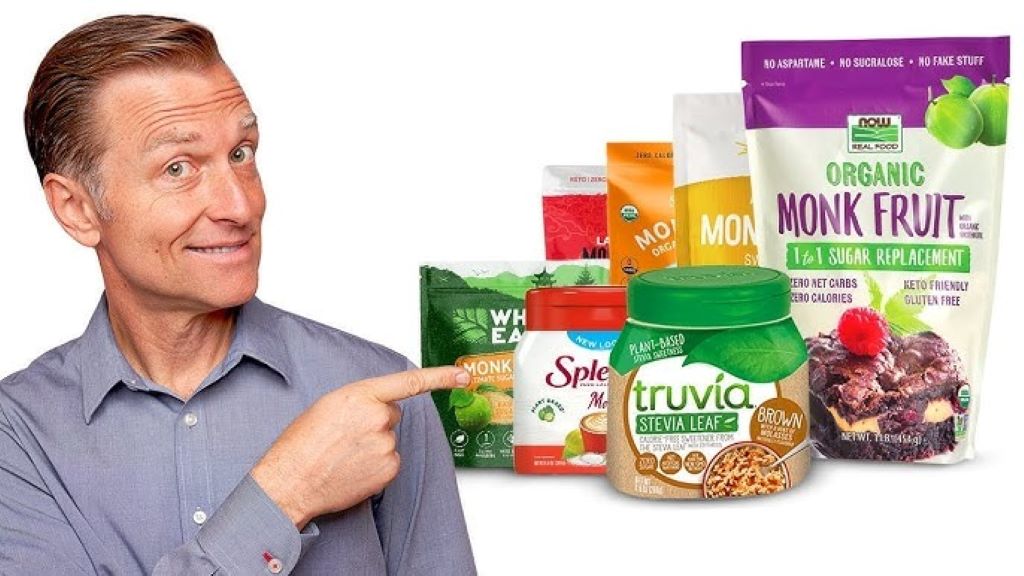
Health and Nutrition Considerations
Both monk fruit and stevia are low-calorie, zero-glycemic sweeteners, which makes them safe for people managing blood sugar levels or following a low-carb or keto diet.
- Monk fruit: Less likely to cause digestive upset. Research shows it may have antioxidant properties due to mogrosides.
- Stevia: Has been studied more extensively and is considered safe by the FDA and other global food safety authorities. Some people, however, report mild digestive discomfort when using stevia blends.
Neither sweetener causes tooth decay, making them better choices for dental health compared to sugar.
Cost and Accessibility
- Monk fruit: Usually more expensive because it’s harder to cultivate and process. It’s also less widely available in mainstream grocery stores, though popularity is increasing.
- Stevia: Generally cheaper, widely available, and sold in many forms and brands.
Budget-conscious bakers may find stevia more practical, but monk fruit offers a smoother taste that many feel justifies the higher price.
Practical Baking Tips
If you’re ready to experiment, here are some tips to make monk fruit and stevia work better in your recipes:
- Start small: If replacing sugar entirely, use recipes designed for monk fruit or stevia rather than making direct swaps.
- Blend with sugar or other sweeteners: Using half sugar and half monk fruit (or stevia) keeps sweetness while maintaining better texture.
- Choose the right recipes: Quick breads, cheesecakes, and moist cakes are more forgiving. Crisp cookies and caramel-based desserts are trickier.
- Experiment with blends: Monk fruit + erythritol or stevia + allulose often deliver better baking results.
Monk Fruit vs Stevia: Quick Comparison
| Factor | Monk Fruit | Stevia Extract |
| Sweetness | 100–250x sugar | 200–300x sugar |
| Flavor | Clean, slight fruity taste | Can be bitter/licorice-like |
| Aftertaste | Minimal | Noticeable for some |
| Heat Stability | Yes | Yes |
| Best Uses | Cakes, muffins, light desserts | Strong-flavored desserts (chocolate, spice) |
| Cost | More expensive | Cheaper |
| Availability | Less common but growing | Widely available |
Conclusion: Which One Should You Choose?
If you’re looking for the closest taste to sugar, monk fruit is often the better option, especially for delicate desserts where flavor matters. If budget and availability are your top priorities, stevia is a reliable alternative, particularly in bold-flavored baked goods.
The truth is, there’s no one-size-fits-all answer. The best approach is to experiment with blends and see which sweetener works best for your taste buds and recipes.
👉 Call to Action: Ready to try sugar-free baking? Start with a monk fruit or stevia baking blend and experiment with your favorite recipe. Share your results in the comments—we’d love to know which sweetener won in your kitchen!
FAQs: Baking with Monk Fruit vs Stevia
- Can I substitute monk fruit or stevia 1:1 for sugar in baking?
Not usually. Pure extracts are far too concentrated. Look for “1:1 baking blends” or adjust recipes carefully. - Does monk fruit taste better than stevia?
Taste is subjective, but many people find monk fruit has a cleaner, more sugar-like taste with less aftertaste than stevia. - Are monk fruit and stevia safe for diabetics?
Yes, both are non-nutritive sweeteners that do not raise blood sugar, making them safe for diabetics. - Why don’t baked goods brown the same with monk fruit or stevia?
Because they don’t caramelize or trigger the Maillard reaction like sugar does, you won’t get the same browning or chewy texture. - Which is better for keto baking: monk fruit or stevia?
Both are keto-friendly, but monk fruit blends with erythritol are very popular because they taste closer to sugar. - Are there any side effects?
Monk fruit is generally well tolerated. Some stevia blends may cause mild digestive issues in sensitive individuals, especially if combined with sugar alcohols.
Related Topics:
How to Make Date Syrup at Home: A Sweet, Healthy Revolution
Best Natural Sweeteners for Weight Loss and Blood Sugar Control


