

Are you constantly caught in a sweet dilemma, standing in the grocery aisle, wondering whether to grab that jar of golden honey, the bottle of amber maple syrup, or a packet of the seemingly innocent stevia? In a world increasingly conscious about sugar intake and its impact on health, the quest for healthier alternatives has never been more pressing. We’re told to reduce refined sugars, but what about the natural options that tempt our taste buds? Are they truly healthier, and if so, how do they stack up against each other? This isn’t just about satisfying a craving; it’s about nourishing our bodies while still enjoying life’s sweeter moments.
Join us as we delve deep into the world of honey, stevia, and maple syrup, unraveling their complexities to help you make informed choices for a healthier, happier you.
Understanding the Sweet Spectrum: A Closer Look at Natural Sweeteners
Before we crown a champion, let’s get acquainted with our contenders. Each of these natural sweeteners boasts a rich history and distinct characteristics that go beyond their sweet taste.
Honey: Nature’s Golden Elixir
Honey, the viscous, golden liquid produced by bees from the nectar of flowers, has been revered for millennia, not just for its sweetness but also for its medicinal properties. From ancient Egyptian tombs to modern-day kitchens, honey has held a special place.
Nutritional Profile: Honey is primarily composed of fructose and glucose, along with water. However, it’s not just simple sugars. It contains trace amounts of vitamins (like B vitamins), minerals (such as calcium, magnesium, potassium, and phosphorus), amino acids, and a significant array of antioxidants, particularly flavonoids and phenolic acids. The specific nutritional content can vary depending on the floral source.
Potential Health Benefits:
- Antioxidant Powerhouse: The antioxidants in honey help combat oxidative stress in the body, which is linked to chronic diseases. Darker honeys tend to have higher antioxidant levels.
- Antimicrobial and Anti-inflammatory Properties: Honey has long been used for its antibacterial and anti-inflammatory effects, particularly in wound healing and soothing sore throats.
- Prebiotic Effects: Some studies suggest that honey can act as a prebiotic, promoting the growth of beneficial gut bacteria, thus supporting digestive health.
- Cough Suppressant: Its demulcent properties make it effective in relieving coughs and upper respiratory tract infections.
Considerations: Despite its benefits, honey is still a sugar. It’s high in calories and can raise blood sugar levels, though its glycemic index (GI) can vary. Raw, unfiltered honey is generally preferred as it retains more of its beneficial compounds.
Stevia: The Zero-Calorie Plant Powerhouse
Stevia, derived from the leaves of the Stevia rebaudiana plant native to South America, has gained immense popularity as a calorie-free natural sweetener. For centuries, indigenous communities have used stevia leaves to sweeten food and beverages.
Nutritional Profile: The sweet compounds in stevia are called steviol glycosides, primarily stevioside and rebaudioside A (Reb A). These compounds are intensely sweet – 200 to 400 times sweeter than sugar – but are not metabolized by the body, meaning they contribute virtually no calories or carbohydrates. Stevia extracts can vary in their composition and taste, with some people detecting a slight licorice-like aftertaste from certain forms.
Potential Health Benefits:
- Zero Calories and Carbs: This is stevia’s biggest appeal, making it an excellent option for weight management and for individuals managing blood sugar levels, such as those with diabetes.
- Blood Sugar Control: Unlike sugar, stevia does not raise blood glucose levels, making it a suitable alternative for diabetics and those aiming to prevent blood sugar spikes.
- May Support Blood Pressure: Some research suggests that certain steviol glycosides may have a modest blood pressure-lowering effect, though more research is needed.
- Potential for Oral Health: Unlike sugar, stevia does not contribute to tooth decay.
Considerations: While generally recognized as safe (GRAS) by regulatory bodies, highly processed stevia extracts may contain fillers. Some individuals may experience digestive discomfort with large amounts. Whole leaf stevia is less refined but also less widely available.
Maple Syrup: The Sweetness of the Forest
Maple syrup, a traditional sweetener produced by boiling down the sap of maple trees, is a staple of North American cuisine. Its distinct flavor and amber hue make it a favorite for pancakes, waffles, and various culinary applications.
Nutritional Profile: Maple syrup is primarily composed of sucrose, along with water. Like honey, it contains a surprising array of minerals, including significant amounts of manganese and zinc, along with calcium, potassium, and riboflavin (vitamin B2). It also boasts a decent amount of antioxidants, including phenolic compounds and an exclusive compound called Quebecol, which is formed during the boiling process.
Potential Health Benefits:
- Rich in Minerals: Maple syrup provides essential minerals that contribute to bone health, immune function, and energy metabolism.
- Antioxidant Content: Similar to honey, maple syrup’s antioxidants help protect cells from damage, contributing to overall health. Darker grades of maple syrup generally have higher antioxidant levels.
- Unique Phytonutrients: The presence of unique compounds like Quebecol adds to its potential health benefits, though research in this area is ongoing.
Considerations: Despite its nutritional contributions, maple syrup is still a concentrated source of sugar and calories. Its glycemic index is lower than refined sugar but higher than stevia. Ensure you’re choosing pure maple syrup, not “pancake syrup,” which is often high-fructose corn syrup with artificial flavors.
The Head-to-Head: Which Sweetener Reigns Supreme?
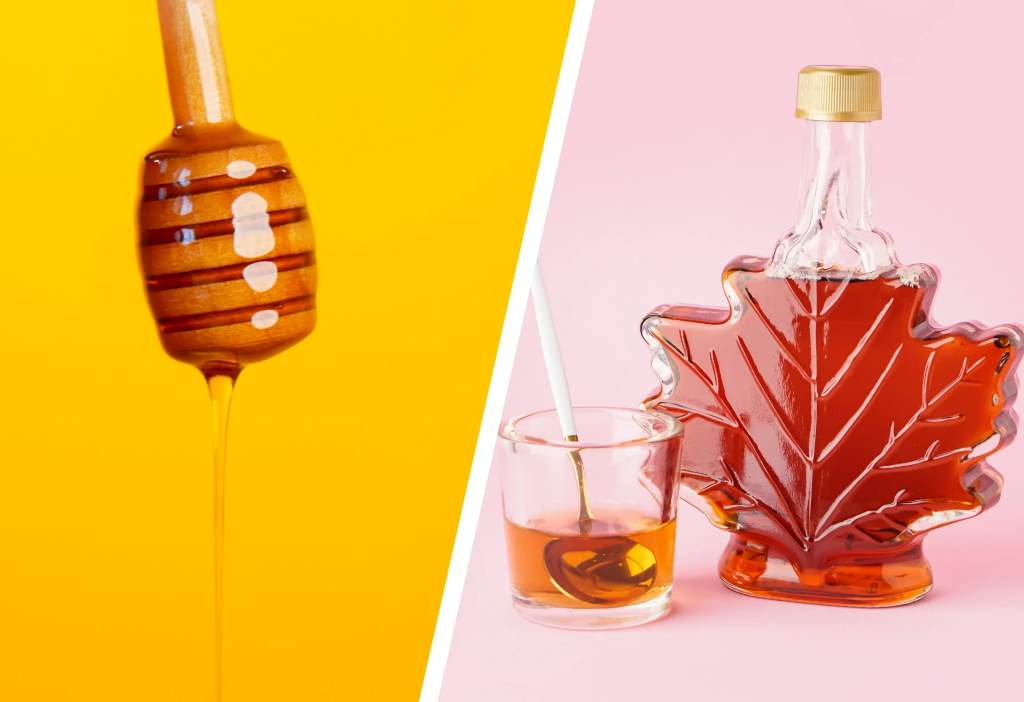
Now that we’ve explored each contender individually, let’s put them side-by-side to determine which might be the “healthiest” choice for different needs and preferences.
Calorie and Glycemic Impact: A Clear Winner
When it comes to calorie count and impact on blood sugar, stevia is the undeniable victor. As a non-caloric sweetener, it’s ideal for those managing weight, diabetes, or simply looking to reduce their overall sugar intake without sacrificing sweetness. Neither honey nor maple syrup can compete in this regard, as both are calorically dense and will raise blood glucose levels, albeit with varying glycemic indices.
Nutritional Density: A More Nuanced Picture
Here, the picture becomes more complex. Both honey and maple syrup offer a range of vitamins, minerals, and antioxidants that stevia lacks.
- Honey shines with its diverse antioxidant profile and historical use for its antimicrobial and anti-inflammatory properties. Its potential prebiotic effects also contribute to gut health.
- Maple syrup provides significant amounts of manganese and zinc, crucial minerals often overlooked. Its unique phytonutrients also add to its appeal.
While stevia offers no nutritional value beyond sweetness, its lack of calories and impact on blood sugar can be a “nutritional” benefit in itself for certain dietary goals.
Versatility and Taste: Personal Preference Plays a Key Role
- Honey offers a distinct floral or earthy flavor profile, making it excellent for teas, yogurt, dressings, and baking where its unique taste is desired.
- Maple syrup brings a rich, caramel-like warmth that pairs perfectly with breakfast foods, desserts, and even savory glazes.
- Stevia, while intensely sweet, can sometimes have a subtle aftertaste that some individuals find unpleasant. However, newer, purer stevia extracts have largely minimized this issue. It’s highly versatile for sweetening beverages and can be used in baking, though adjustments may be needed due to its potency.
Ultimately, the best choice for taste and versatility depends on your individual preferences and the specific culinary application.
Processing and Purity: Seeking the Unadulterated
- Raw, unfiltered honey is the least processed form, retaining the most enzymes, pollen, and beneficial compounds.
- Pure maple syrup is simply boiled down tree sap, with minimal processing. Ensure you’re buying 100% pure maple syrup, not a blend.
- Stevia products vary widely in their processing. Look for highly purified stevia extracts (like Reb A) with minimal additives if you’re concerned about processing. Whole leaf stevia is the least processed but less concentrated.
Making the Sweetest Choice for Your Lifestyle
So, which natural sweetener is healthiest? The answer, as with most things in nutrition, is not a simple one-size-fits-all. It largely depends on your individual health goals, dietary needs, and how you intend to use the sweetener.
Choose Stevia if:
- You are actively managing your weight and looking to reduce calorie intake.
- You have diabetes or are aiming to control blood sugar levels.
- You want a sweetener that won’t contribute to tooth decay.
- You are comfortable with a non-nutritive sweetener.
Choose Honey if:
- You appreciate its unique flavor and desire its potential antioxidant and antimicrobial benefits.
- You are looking for a natural cough suppressant or a gut-health friendly option (in moderation).
- You don’t have significant blood sugar concerns, but still want a more natural alternative to refined sugar.
- You prefer a sweetener with a long history of traditional use.
Choose Maple Syrup if:
- You enjoy its distinct flavor and want a sweetener that offers a good source of minerals like manganese and zinc.
- You are looking for an antioxidant-rich natural sweetener for culinary uses, particularly in breakfast or baking.
- You prefer a less refined alternative to table sugar and don’t have strict calorie or blood sugar restrictions.
General Recommendations for All:
- Moderation is Key: Regardless of which natural sweetener you choose, remember that they are still forms of sugar. Excessive consumption of any sweetener, even natural ones, can have adverse health effects.
- Prioritize Whole Foods: Sweeteners, natural or otherwise, should not be the primary source of your nutrients. Focus on a diet rich in fruits, vegetables, whole grains, and lean proteins.
- Read Labels Carefully: Be wary of products that market themselves as “natural” but contain added refined sugars or artificial ingredients.
- Listen to Your Body: Pay attention to how different sweeteners affect your energy levels, digestion, and overall well-being.
Beyond the Big Three: Other Natural Sweeteners to Consider
While honey, stevia, and maple syrup are prominent players, the world of natural sweeteners is vast. Some other options gaining popularity include:
- Date Sugar/Syrup: Made from dried, ground dates, these offer fiber and nutrients, but are still calorie-dense.
- Monk Fruit Sweetener: Like stevia, it’s a zero-calorie, non-nutritive sweetener derived from a fruit, with a clean taste.
- Yacon Syrup: Extracted from the yacon plant, it contains fructooligosaccharides (FOS) which act as prebiotics.
- Erythritol/Xylitol: Sugar alcohols that are low in calories and don’t raise blood sugar, but can cause digestive issues in large amounts.
Each of these has its own unique profile, and exploring them can further broaden your healthy sweetening options.
The Sweet Takeaway: Empowering Your Choices
In the journey toward a healthier lifestyle, every choice matters, including the way we sweeten our food. There’s no single “healthiest” natural sweetener that universally fits everyone. Instead, it’s about making informed decisions that align with your personal health goals, dietary restrictions, and taste preferences.
Ready to make the switch or refine your sweet choices? Experiment with these natural sweeteners in your favorite recipes, from your morning coffee to your evening dessert. Pay attention to how your body responds and discover which sweetener truly makes you feel your best. Share your favorite natural sweetener tips and recipes in the comments below – let’s build a community of healthier, happier sweet enthusiasts!


