

Eating out doesn’t mean you have to sacrifice your health goals. Chipotle offers numerous options that align with anti-inflammatory eating principles. Therefore, understanding how to build a nutritious bowl can help you maintain wellness while enjoying convenient meals.
Understanding Anti-Inflammatory Eating
Anti-inflammatory foods help reduce chronic inflammation in your body. This type of eating focuses on whole foods, lean proteins, and healthy fats. Additionally, it minimizes processed ingredients and added sugars that can trigger inflammatory responses.
According to Harvard Health Publishing, a diet rich in vegetables, fruits, whole grains, and healthy fats can significantly reduce inflammation markers in the body. Consequently, making smart choices at fast-casual restaurants becomes an important part of maintaining this lifestyle.
Building Your Base: Smart Foundation Choices
The foundation of your Chipotle meal sets the tone for everything else. However, not all base options offer equal nutritional benefits.
Brown Rice Benefits
Brown rice provides complex carbohydrates and fiber. Moreover, it contains magnesium and selenium, which support immune function. The whole grain structure helps stabilize blood sugar levels throughout your day.
Lettuce as a Light Option
Romaine lettuce offers a low-calorie, nutrient-dense base. Furthermore, it provides folate and vitamin K. This option works perfectly for those watching their carbohydrate intake.
Supergreens Power
The supergreens blend combines romaine, baby kale, and baby spinach. These leafy greens deliver antioxidants that combat oxidative stress. Additionally, they provide essential vitamins without adding many calories.
Protein Selections for Optimal Health
Choosing the right protein significantly impacts the anti-inflammatory potential of your meal. Therefore, selecting minimally processed options becomes crucial.
Chicken: A Lean Choice
Grilled chicken provides high-quality protein without excessive saturated fat. The preparation method at Chipotle uses simple seasonings. Moreover, chicken supplies B vitamins that support cellular energy production.
Sofritas for Plant-Based Nutrition
Sofritas, made from organic tofu, offers a plant-based protein alternative. Tofu contains isoflavones with anti-inflammatory properties. Additionally, this option provides iron and calcium for those following vegetarian or vegan diets.
Steak in Moderation
While red meat should be consumed mindfully, grass-fed beef contains omega-3 fatty acids. The key involves portion control and balancing with plenty of vegetables. Furthermore, combining steak with anti-inflammatory toppings maximizes nutritional benefits.
Carnitas Considerations
Pork carnitas can fit into an anti-inflammatory diet when eaten occasionally. The cooking method at Chipotle keeps added ingredients minimal. However, pairing this protein with fiber-rich vegetables helps balance the meal.
Beans and Legumes: Fiber Champions
Beans represent an excellent source of plant-based protein and fiber. They also provide resistant starch that feeds beneficial gut bacteria.
Black Beans
Black beans contain anthocyanins, powerful antioxidants that reduce inflammation. These legumes also provide folate and magnesium. Additionally, their fiber content supports digestive health and steady energy levels.
Pinto Beans
Pinto beans offer similar benefits with a slightly different nutrient profile. They provide manganese and phosphorus for bone health. Moreover, their creamy texture adds satisfaction to your bowl.
Vegetable Toppings: The Inflammation Fighters
Vegetables deliver the most anti-inflammatory punch in your Chipotle meal. Therefore, loading up on these ingredients should be your priority.
Fajita Vegetables
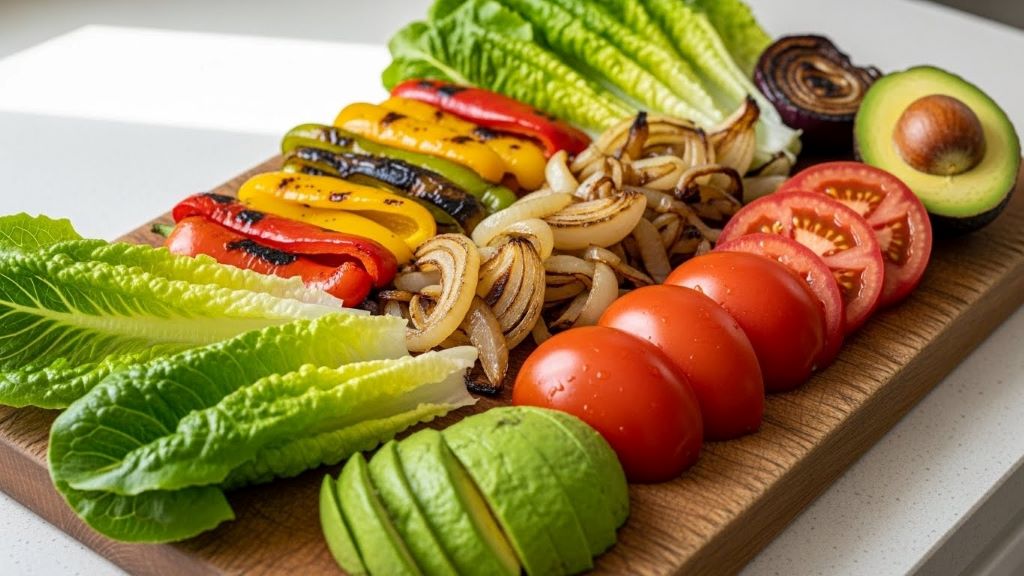
The grilled peppers and onions provide vitamin C and quercetin. These compounds have documented anti-inflammatory effects. Furthermore, the cooking process enhances the availability of certain beneficial compounds.
Fresh Tomato Salsa
Tomatoes contain lycopene, a carotenoid with strong antioxidant properties. The fresh preparation preserves vitamin C content. Additionally, this salsa adds flavor without excess sodium or sugar.
Tomatillo Green-Chili Salsa
This tangy option combines tomatillos with jalapeños and tomatillo. The peppers contain capsaicin, which may help reduce inflammation. Moreover, this salsa adds bold flavor with minimal calories.
Corn Salsa
Corn provides fiber and antioxidants like lutein and zeaxanthin. The addition of peppers and onions enhances nutritional value. However, this salsa does contain some natural sugars, so portion awareness matters.
Smart Fat Sources
Healthy fats are essential for absorbing fat-soluble vitamins and reducing inflammation. Chipotle offers several options to incorporate these beneficial nutrients.
Guacamole: The Superfood Topping
Avocados provide monounsaturated fats that support heart health. They also contain potassium and fiber. Additionally, guacamole enhances the absorption of nutrients from other vegetables in your bowl. Research from the American Heart Association confirms that avocados can help reduce inflammation and improve cholesterol levels when part of a balanced diet.
A Note on Cheese and Sour Cream
Dairy products can be inflammatory for some individuals. Therefore, limiting or avoiding cheese and sour cream may benefit those sensitive to dairy. Alternatively, using guacamole provides creaminess without potential inflammatory triggers.
Items to Limit or Avoid
Certain menu items can undermine your anti-inflammatory goals. Consequently, being aware of these choices helps you make better decisions.
Skip the Flour Tortilla
Large flour tortillas contain refined carbohydrates that can spike blood sugar. They also add significant calories without much nutritional value. Instead, choosing a bowl format maximizes room for nutrient-dense ingredients.
Watch the Chips
Tortilla chips are fried and heavily salted. These factors make them less ideal for anti-inflammatory eating. However, enjoying a small portion occasionally won’t derail your overall health goals.
Minimize Queso
The cheese dip contains processed ingredients and saturated fats. While delicious, it offers little nutritional benefit. Therefore, reserving queso for rare treats makes sense for health-conscious diners.
Sample Anti-Inflammatory Chipotle Meals
Creating balanced meals becomes easier with specific examples. These combinations optimize nutrition while maintaining great taste.
The Classic Bowl
Start with brown rice or supergreens as your base. Add chicken or sofritas for protein. Layer on black beans, fajita vegetables, fresh tomato salsa, and corn salsa. Top with guacamole and romaine lettuce. This combination delivers protein, fiber, healthy fats, and abundant antioxidants.
The Light and Fresh Option
Begin with a supergreens base for maximum nutrient density. Choose sofritas or chicken for lean protein. Add pinto beans, all available salsas, and extra fajita vegetables. Finish with guacamole. This meal emphasizes vegetables while providing satisfying protein and healthy fats.
The Hearty Choice
Use brown rice as your foundation for sustained energy. Select steak in a modest portion for protein. Include black beans, fajita vegetables, green-chili salsa, and fresh tomato salsa. Add guacamole and extra lettuce. This option balances complex carbohydrates with protein and vegetables.
Customization Tips for Success
Making your Chipotle meal even healthier requires strategic ordering. These tips help maximize nutritional benefits.
Request Extra Vegetables
Ask for double fajita vegetables at no extra charge. This simple addition boosts fiber and antioxidants significantly. Moreover, vegetables increase meal volume without adding many calories.
Go Easy on Salt
Request light salt on your protein choice. Many prepared meats already contain seasoning. Therefore, reducing additional sodium supports cardiovascular health.
Mix Your Salsas
Combining multiple salsas increases variety and nutritional diversity. Each salsa offers different beneficial compounds. Additionally, mixing flavors keeps meals interesting and prevents taste fatigue.
Meal Timing and Portion Awareness
When you eat matters as much as what you eat. Furthermore, understanding appropriate portions helps maintain balanced nutrition.
Listen to Hunger Cues
Chipotle bowls can be substantial in size. Therefore, eating mindfully and stopping when satisfied prevents overconsumption. Consider saving half for another meal if portions feel excessive.
Balance Throughout Your Day
If having Chipotle for lunch, balance your other meals accordingly. Include plenty of fruits and vegetables at breakfast and dinner. Additionally, staying hydrated supports overall health and reduces inflammation.
Conclusion
Creating anti-inflammatory meals at Chipotle is both achievable and delicious. By choosing whole grain bases, lean proteins, abundant vegetables, and healthy fats, you support your body’s natural healing processes. The key involves maximizing nutrient-dense ingredients while limiting processed additions. With these strategies, you can enjoy convenient dining without compromising your health goals. Remember that consistency matters more than perfection, and making informed choices regularly creates lasting wellness benefits.
Frequently Asked Questions
Is Chipotle actually healthy for an anti-inflammatory diet?
Yes, Chipotle can be very healthy when you make smart choices. Focus on bowls with brown rice or greens, lean proteins, beans, vegetables, and guacamole while avoiding cheese, sour cream, and tortillas. The customizable menu allows you to create nutrient-dense, anti-inflammatory meals.
Which protein option at Chipotle is most anti-inflammatory?
Sofritas (organic tofu) and chicken are the best anti-inflammatory protein choices. Sofritas provides plant-based protein with beneficial isoflavones, while grilled chicken offers lean protein without excess saturated fat. Both options contain minimal processing and inflammatory additives.
Can I eat Chipotle every day on an anti-inflammatory diet?
While possible, daily consumption isn’t ideal for variety purposes. Eating Chipotle two to three times weekly while varying your protein and vegetable choices works well. Rotating different food sources ensures you get diverse nutrients necessary for optimal health.
Does guacamole really help reduce inflammation?
Absolutely. Avocados contain monounsaturated fats and over 20 vitamins and minerals that fight inflammation. The healthy fats in guacamole also help your body absorb fat-soluble vitamins from other vegetables in your meal, enhancing overall nutritional benefits.
Should I avoid all dairy at Chipotle for anti-inflammatory eating?
Not necessarily, but limiting dairy often helps. Many people experience inflammation from dairy products, particularly cheese and sour cream. If you tolerate dairy well, small amounts occasionally are fine. However, choosing guacamole instead provides more anti-inflammatory benefits.
Related Topics:


