

Introduction: The Science of Youth in a Bottle
In today’s fast-paced world, where stress and environmental aggressors constantly assault our skin, finding effective skincare solutions has become more critical than ever. Enter plant stem cell skin renewal , a groundbreaking innovation that merges nature’s wisdom with cutting-edge science. This remarkable technology harnesses the regenerative power of plant stem cells to rejuvenate human skin at a cellular level, offering unparalleled benefits for anti-aging, hydration, and overall skin health.
But what exactly are plant stem cells, and why are they creating such a buzz in the skincare industry? According to a report by Grand View Research, the global market for plant stem cell-based cosmetics is projected to grow exponentially, reaching $438 million by 2027. This surge in popularity isn’t just hype—it’s backed by scientific research demonstrating their potential to combat aging signs and repair damaged skin.
This article will delve deep into the science behind plant stem cell skin renewal, explore its numerous benefits, discuss real-world applications, and provide actionable tips to incorporate this revolutionary ingredient into your skincare routine. Whether you’re a skincare enthusiast or a curious beginner, this guide promises to equip you with everything you need to know about this transformative trend.
What Are Plant Stem Cells? Decoding Nature’s Blueprint
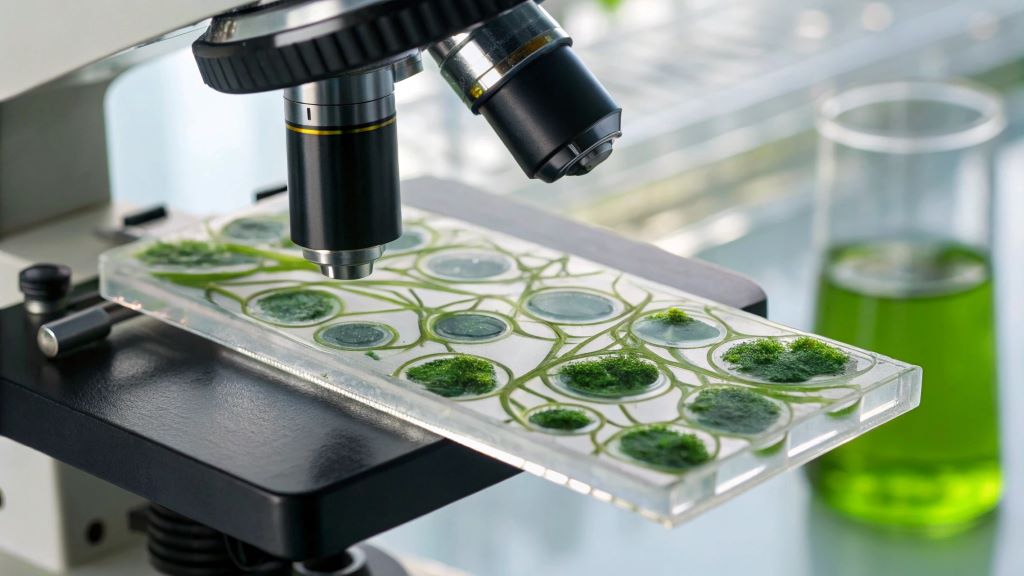
Plant stem cells are undifferentiated cells found in the meristems of plants. These powerhouse cells possess the unique ability to self-renew and differentiate into various specialized cells, enabling plants to regenerate tissues, heal wounds, and adapt to environmental changes. Unlike animal stem cells, plant stem cells are abundant and can be harvested sustainably without ethical concerns.
The magic of plant stem cells lies in their resilience. For instance, the Swiss apple (Malus domestica) and Edelweiss flower are renowned for their extraordinary survival mechanisms in harsh climates. Scientists have discovered that these plants’ stem cells contain potent antioxidants, peptides, and growth factors that can be harnessed for human skincare.
A study published in Phytotherapy Research highlights how plant stem cells protect against oxidative stress—a leading cause of premature aging—by neutralizing free radicals and boosting collagen production. This makes them an ideal ingredient for addressing fine lines, wrinkles, and dullness while promoting a radiant complexion.
How Does Plant Stem Cell Skin Renewal Work? The Cellular Symphony
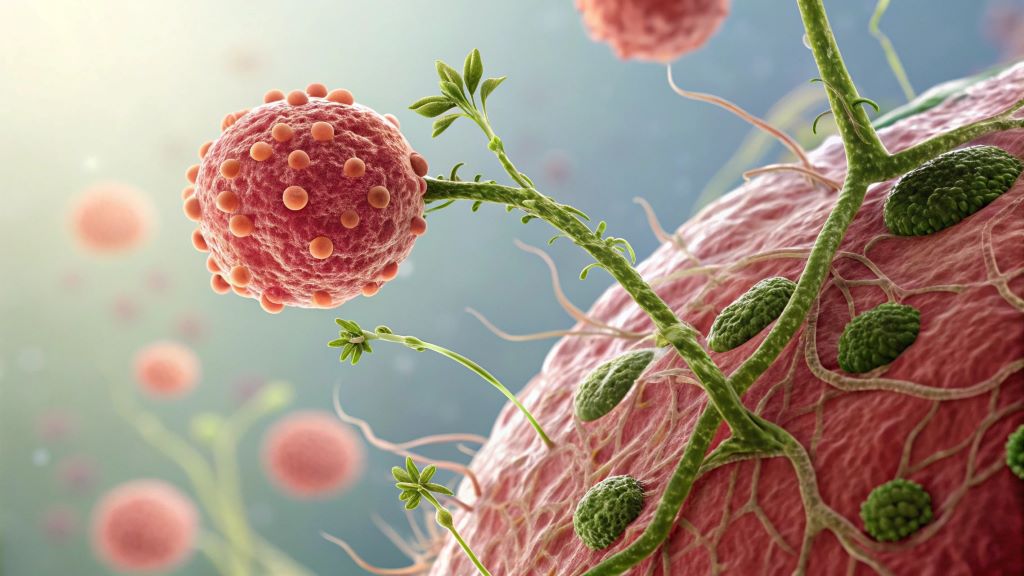
To understand how plant stem cell skin renewal works, let’s break it down step-by-step:
- Cellular Communication : When applied topically, plant stem cell extracts penetrate the epidermis and communicate with human skin cells. They signal dormant cells to activate, promoting cellular turnover and regeneration.
- Antioxidant Protection : Rich in polyphenols and flavonoids, plant stem cells shield the skin from environmental damage caused by UV rays, pollution, and blue light exposure. This protective barrier prevents further degradation of collagen and elastin fibers.
- Collagen Stimulation : Certain plant stem cells, like those derived from grape seeds, stimulate fibroblast activity—the cells responsible for producing collagen. Increased collagen levels result in firmer, plumper skin with reduced fine lines.
- DNA Repair Mechanisms : Some plant stem cells aid in repairing damaged DNA within skin cells, which is crucial for maintaining long-term skin health and preventing age-related deterioration.
- Hydration Boost : By enhancing the skin’s natural moisture barrier, plant stem cells lock in hydration, leaving the skin supple and glowing.
Dr. Lisa Kellett, a renowned dermatologist, explains, “Plant stem cells offer a holistic approach to skincare. They not only address surface-level issues but also work at a deeper cellular level to promote true skin renewal.”
Benefits of Plant Stem Cell Skin Renewal: Why It’s Worth the Hype
Anti-Aging Powerhouse
One of the most celebrated benefits of plant stem cell skin renewal is its anti-aging prowess. Clinical trials conducted by Mibelle Biochemistry revealed that participants using products infused with apple stem cells experienced a 15% reduction in wrinkle depth after four weeks. Similarly, edelweiss stem cells were shown to increase skin elasticity by up to 30%.
Enhanced Hydration
Dehydrated skin often appears dull and aged. Plant stem cells, particularly those from aloe vera and sea fennel, are packed with polysaccharides that attract and retain water molecules, ensuring lasting hydration.
Environmental Shield
Urban dwellers are especially vulnerable to environmental pollutants. Plant stem cells form a protective shield, reducing inflammation and oxidative stress. A study in the Journal of Cosmetic Dermatology found that green tea stem cells significantly decreased redness and irritation in subjects exposed to urban pollution.
Brightening Effect
For those battling hyperpigmentation or uneven skin tone, plant stem cells derived from alpine rose and butterfly bush can inhibit melanin production, resulting in a brighter, more even complexion.
Sustainable Skincare
Unlike synthetic ingredients, plant stem cells are sourced responsibly, making them an eco-friendly choice. Brands like Tata Harper and Dr. Hauschka prioritize sustainability, ensuring minimal environmental impact.
Pros and Cons of Plant Stem Cell Skin Renewal: Weighing Your Options
Pros:
- Natural and Safe : Free from harmful chemicals, plant stem cells are gentle on sensitive skin.
- Multi-Faceted Benefits : From anti-aging to hydration, they offer a one-stop solution for multiple skin concerns.
- Scientifically Backed : Numerous studies support their efficacy, adding credibility to their claims.
- Eco-Conscious : Sustainably sourced, they align with modern consumers’ values.
Cons:
- Cost Factor : High-quality plant stem cell products tend to be pricier due to complex extraction processes.
- Limited Accessibility : Not all brands offer authentic formulations; counterfeit products abound.
- Allergic Reactions : While rare, some individuals may experience sensitivity to specific plant extracts.
Real-World Applications: Who Can Benefit?
Plant stem cell skin renewal isn’t limited to mature skin types. Here’s how different demographics can benefit:
- Young Adults (20s) : Preventative care is key. Early incorporation of plant stem cells can delay visible signs of aging.
- Mature Skin (40+) : Ideal for reversing existing damage and restoring youthful vitality.
- Sensitive Skin Types : Gentle yet effective formulas cater to delicate skin prone to irritation.
- Environmentally Exposed Individuals : Perfect for combating urban stressors and sun damage.
Top Products and Brands Leading the Charge
Several brands have pioneered the use of plant stem cells in their formulations. Below are three standout options:
- Tata Harper Regenerating Cleanser
- Infused with apricot microspheres and alfalfa stem cells, this cleanser exfoliates gently while promoting cell renewal.
- Dr. Hauschka Rose Day Cream Light
- Harnesses the power of wild rose hip seed oil and plant stem cells to nourish and protect dry skin.
- Juice Beauty Stem Cellular Anti-Wrinkle Booster Serum
- Combines resveratrol-rich grapeseed and apple stem cells for intense hydration and wrinkle reduction.
FAQs About Plant Stem Cell Skin Renewal
- Are plant stem cells safe for sensitive skin? Yes, they are generally well-tolerated. However, patch testing is recommended before full application.
- Can I combine plant stem cell products with retinol? Absolutely! They complement each other, amplifying anti-aging effects.
- How long does it take to see results? Visible improvements typically appear within 4-6 weeks of consistent use.
- Do plant stem cells replace Botox? No, but they serve as a non-invasive alternative for mild to moderate aging signs.
- Are there any side effects? Rarely, some users may experience mild irritation or allergic reactions.
- What makes plant stem cells better than traditional actives? Their multifunctional properties and sustainable sourcing set them apart.
- Is it suitable for oily skin? Yes, lightweight formulations exist specifically for oily and acne-prone skin.
- Can men use plant stem cell products? Definitely! Men’s skin benefits equally from these powerful ingredients.
- Where can I buy authentic products? Reputable retailers like Sephora, Credo Beauty, and brand websites ensure authenticity.
- Are DIY plant stem cell treatments effective? Homemade concoctions lack stability and potency compared to professionally formulated products.
Conclusion: Embrace the Future of Skincare Today
Plant stem cell skin renewal represents the pinnacle of modern skincare innovation. By marrying nature’s resilience with cutting-edge science, it offers a holistic solution to nurture your skin effectively. Whether you’re seeking to defy aging, enhance hydration, or shield against environmental aggressors, plant stem cells deliver unparalleled results.
As we continue to uncover new possibilities in this field, one thing remains clear: embracing plant stem cell technology is not just a trend—it’s a lifestyle choice toward healthier, more radiant skin. So why wait? Start your journey to youthful, glowing skin today!
References:
- Grand View Research – Global Market Analysis Report
- Phytotherapy Research – Study on Oxidative Stress
- Journal of Cosmetic Dermatology – Urban Pollution Study
Read More:
Dairy-Free Delights from Whole Foods: Your Ultimate Guide to Sweet, Healthy Living


