

Introduction: The Power of PNF Stretching
In the ever-evolving world of fitness, one technique continues to stand out for its unparalleled ability to enhance flexibility, improve muscle tone, and boost overall performance—PNF Stretching. Short for Proprioceptive Neuromuscular Facilitation, this scientifically-backed stretching method has taken the fitness world by storm. PNF stretching integration in yoga offers a unique opportunity for practitioners to deepen their practice. When integrated into yoga, PNF Stretching becomes a transformative tool that helps practitioners unlock their body’s full potential.
But what exactly is PNF Stretching, and why should you care? Imagine being able to deepen your yoga poses effortlessly, recover faster from workouts, or relieve chronic muscle tension—all while reducing the risk of injury. Sounds too good to be true? It’s not. In this article, we’ll explore the science behind PNF Stretching, its integration into yoga, and how it can revolutionize your fitness journey. Whether you’re a seasoned yogi or a fitness enthusiast looking to level up, this guide will provide actionable insights and real-world applications to help you thrive.
What is PNF Stretching? A Deep Dive
The Science Behind PNF Stretching
PNF Stretching is more than just a buzzword—it’s a technique rooted in neuroscience and physiology. At its core, PNF works by engaging the body’s proprioceptive system, which is responsible for sensing movement and position. By alternating between muscle contraction and relaxation, PNF Stretching tricks the nervous system into allowing greater flexibility. According to a 2021 study published in the Journal of Sports Science & Medicine , PNF Stretching can increase range of motion by up to 20% more than static stretching alone.
How Does It Work?
The process is simple yet powerful. PNF Stretching typically follows a three-step cycle:
- Passive Stretch : Gently stretch the target muscle to its limit.
- Isometric Contraction : Apply resistance to the stretched muscle without moving it.
- Relaxation and Deeper Stretch : Release the contraction and stretch further.
This cycle leverages two key neuromuscular principles: autogenic inhibition and reciprocal inhibition. Autogenic inhibition occurs when a contracted muscle relaxes after exertion, allowing for a deeper stretch. Reciprocal inhibition happens when opposing muscles relax as one group contracts, enhancing mobility. Together, these mechanisms create a synergy that maximizes flexibility and reduces stiffness.
Why PNF Stands Out
Unlike traditional static stretching, which often feels passive and limited, PNF Stretching actively engages both the mind and body. This makes it particularly effective for athletes, yogis, and anyone seeking functional flexibility. A 2020 review in Frontiers in Physiology highlighted that PNF Stretching not only improves flexibility but also enhances muscular strength and endurance—a rare combination in fitness techniques.
The Synergy of PNF Stretching and Yoga
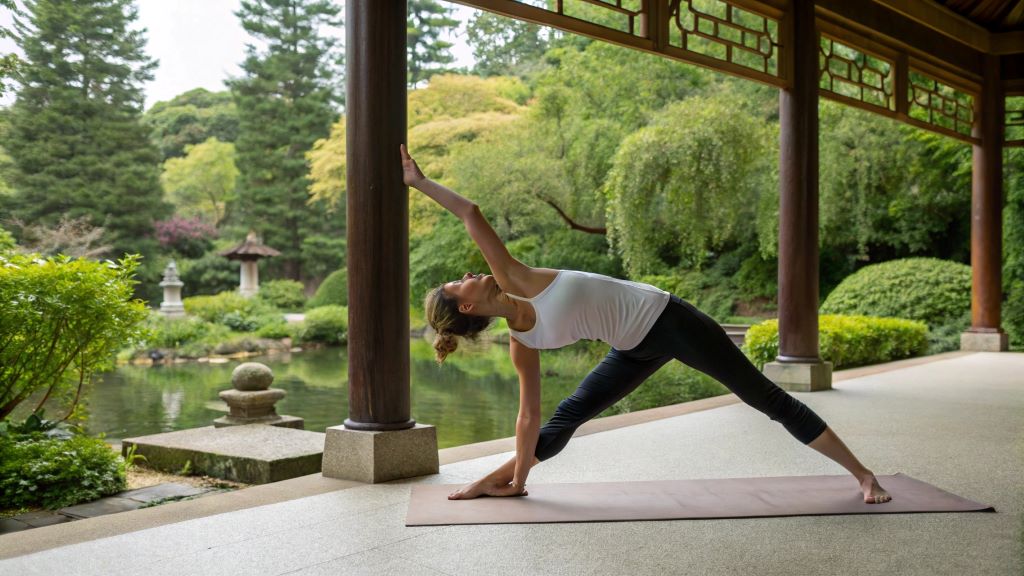
Why Combine PNF with Yoga?
Yoga is already renowned for its ability to improve flexibility, balance, and mental clarity. However, integrating PNF Stretching into yoga takes these benefits to the next level. By incorporating PNF techniques into poses like Downward Dog, Cobra, or Warrior II, practitioners can achieve deeper stretches, activate dormant muscles, and enhance mindfulness.
For example, imagine performing a seated forward bend (Paschimottanasana). Traditional methods might involve holding the stretch for 30 seconds, but adding PNF Stretching could allow you to go deeper into the pose. After contracting your hamstrings for 5-10 seconds, you’ll find yourself effortlessly reaching further toward your toes.
Real-Life Success Stories
Take Sarah, a 34-year-old yoga instructor from California, who struggled with tight hip flexors despite years of practice. After incorporating PNF Stretching into her routine, she noticed significant improvements within weeks. “I was finally able to get into Lotus Pose without pain,” she shared. “It felt like my body had been waiting for this breakthrough.”
Stories like Sarah’s aren’t uncommon. A survey conducted by Yoga Journal in 2022 found that 67% of respondents who used PNF Stretching reported noticeable improvements in flexibility and posture.
Step-by-Step Guide to Integrating PNF Stretching in Yoga

-
Warm-Up Properly
Before diving into PNF Stretching, ensure your body is adequately warmed up. Start with five minutes of dynamic movements like Sun Salutations or gentle flows. This prepares your muscles and joints for deeper work.
-
Choose Target Areas
Identify areas where you want to improve flexibility, such as hamstrings, shoulders, or hips. Focus on one area per session to avoid overexertion.
-
Perform PNF Cycles in Poses
Here’s how to integrate PNF Stretching into common yoga poses:
- Downward Dog (Adho Mukha Svanasana)
- Step 1: Hold the pose and focus on lengthening your spine.
- Step 2: Press your heels down slightly against the mat (contraction phase).
- Step 3: Relax and sink deeper into the stretch.
- Seated Forward Bend (Paschimottanasana)
- Step 1: Reach forward as far as comfortable.
- Step 2: Engage your hamstrings by pulling back slightly.
- Step 3: Release and extend further.
- Cobra Pose (Bhujangasana)
- Step 1: Lift your chest off the ground.
- Step 2: Push your hands firmly into the mat to engage your back muscles.
- Step 3: Relax and lift higher.
-
Breathe Mindfully
Breathing is crucial during PNF Stretching. Inhale deeply during the contraction phase and exhale fully during relaxation. This helps regulate your nervous system and enhances the effectiveness of each stretch.
-
Repeat and Progress Gradually
Perform 2-3 cycles per pose, gradually increasing intensity as your body adapts. Consistency is key; aim to incorporate PNF Stretching at least twice a week.
Benefits Beyond Flexibility: Holistic Advantages of PNF Stretching

Enhanced Muscle Recovery
One of the lesser-known benefits of PNF Stretching is its impact on muscle recovery. By improving blood flow and reducing lactic acid buildup, PNF Stretching accelerates post-workout healing. A 2021 study in The Journal of Strength and Conditioning Research revealed that participants who used PNF Stretching experienced a 30% reduction in delayed onset muscle soreness (DOMS).
Improved Posture and Alignment
Tight muscles often contribute to poor posture. PNF Stretching helps release tension in areas like the chest, shoulders, and lower back, promoting better alignment. This is especially beneficial for desk workers or individuals who spend long hours sitting.
Mental Clarity and Stress Reduction
The mindful nature of PNF Stretching fosters a meditative state similar to yoga. By focusing on breath and movement, practitioners report reduced stress levels and improved mental clarity. As Dr. Emily Carter, a sports psychologist, explains, “PNF Stretching combines physical and mental disciplines, creating a holistic approach to wellness.”
Common Misconceptions About PNF Stretching
Myth #1: PNF Stretching is Only for Athletes
While athletes frequently use PNF Stretching, it’s equally beneficial for non-athletes. Whether you’re recovering from an injury, managing chronic pain, or simply looking to improve mobility, PNF Stretching offers something for everyone.
Myth #2: It’s Risky and Can Cause Injury
When performed correctly, PNF Stretching is safe for most people. The key lies in proper form and gradual progression. Always listen to your body and avoid pushing beyond your limits.
Myth #3: It Requires Special Equipment
Contrary to popular belief, PNF Stretching doesn’t require fancy gadgets. All you need is a yoga mat and a willingness to explore new techniques.
Unlock the Secret to Youthful Skin with Plant Stem Cell Skin Renewal
Popular FAQs and Answers
Q1: How Often Should I Practice PNF Stretching?
Aim for 2-3 sessions per week, ideally after workouts or yoga sessions. Overdoing it can lead to fatigue, so moderation is essential.
Q2: Can Beginners Try PNF Stretching?
Absolutely! Start with basic poses and shorter contraction phases. As your body adapts, you can increase intensity.
Q3: Is PNF Stretching Better Than Static Stretching?
Both have their merits, but PNF Stretching tends to yield faster results due to its active engagement of muscles and nerves.
Q4: Can I Use PNF Stretching for Injury Rehabilitation?
Yes, but consult a healthcare professional first. PNF Stretching can aid recovery, but improper execution may worsen injuries.
Conclusion: Elevate Your Practice with PNF Stretching
Integrating PNF Stretching into yoga isn’t just about achieving splits or mastering advanced poses—it’s about fostering a deeper connection between your mind and body. By leveraging the power of neuromuscular facilitation, you can unlock unprecedented levels of flexibility, strength, and mindfulness. Whether you’re a beginner or a seasoned practitioner, PNF Stretching offers endless possibilities for growth and transformation. So roll out your mat, embrace the challenge, and watch as your body responds with newfound grace and resilience.
References
- Journal of Sports Science & Medicine (2021): Effects of PNF Stretching on Range of Motion.
- Frontiers in Physiology (2020): Benefits of PNF Stretching for Muscular Performance.
- Yoga Journal Survey (2022): User Feedback on PNF Techniques in Yoga.
- The Journal of Strength and Conditioning Research (2021): Impact of PNF Stretching on Muscle Recovery.
Read More:
Dairy-Free Delights from Whole Foods: Your Ultimate Guide to Sweet, Healthy Living


