

Are you tired of feeling sluggish, battling brain fog, or constantly struggling with your weight despite your best efforts? Do you find yourself gazing at the endless array of packaged goods in the supermarket, wondering if they truly nourish your body or just fill a void? In a world brimming with convenient, readily available food options, it’s easy to get lost in the marketing hype and lose sight of what genuinely fuels our well-being. The truth is, the choices we make at the grocery store and in our kitchens have a profound impact on every facet of our health, from our energy levels and mood to our long-term disease risk. It’s time to pull back the curtain on a fundamental distinction that could revolutionize your health: whole foods vs. processed foods.
This isn’t just another diet fad or a fleeting trend; it’s a foundational understanding of how food interacts with your body. By the end of this comprehensive guide, you’ll not only grasp the critical differences between these two categories but also understand why making the shift towards whole, unadulterated ingredients is arguably the most powerful step you can take towards a vibrant, healthier future. Get ready to transform your plate, and in turn, transform your life.
Unpacking the Definitions: What Exactly Are We Talking About?
Before we delve into the “why it matters,” let’s clarify what we mean by “whole foods” and “processed foods.” The distinction, while seemingly simple, can be nuanced.
Whole Foods: Nature’s Perfect Packages
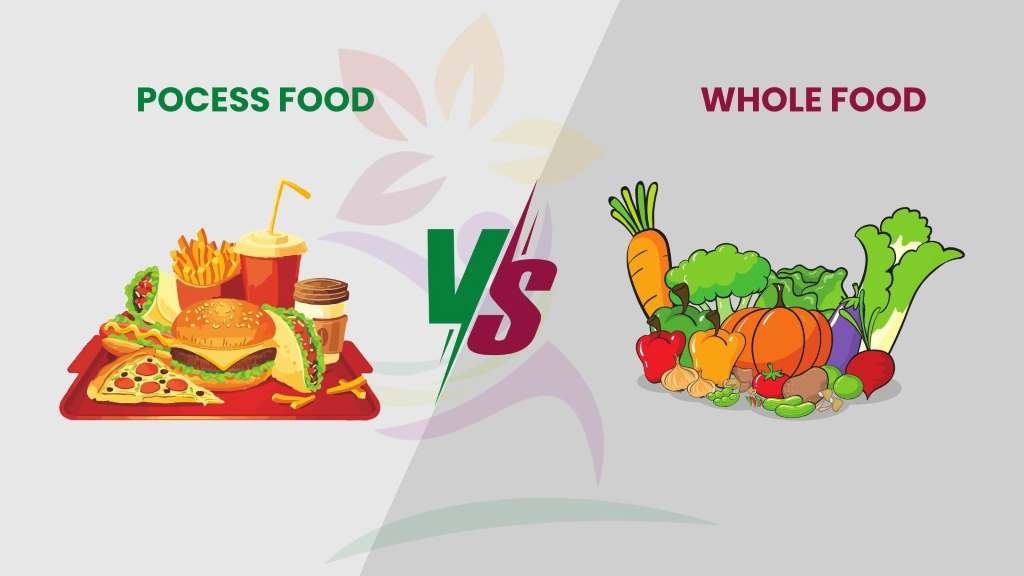
Imagine food in its most natural state – plucked from the earth, harvested from a tree, or raised without excessive human intervention. That’s the essence of a whole food. These are ingredients that are minimally processed, if at all, retaining their original nutritional integrity. They come packed with everything nature intended: vitamins, minerals, fiber, antioxidants, and a symphony of phytonutrients that work synergistically to support your body’s optimal function.
Examples of Whole Foods:
- Fruits: Apples, berries, bananas, oranges, mangoes, avocados.
- Vegetables: Broccoli, spinach, carrots, sweet potatoes, bell peppers, kale.
- Legumes: Lentils, chickpeas, black beans, kidney beans.
- Whole Grains: Oats, quinoa, brown rice, whole wheat (in its intact form, not refined flour).
- Nuts and Seeds: Almonds, walnuts, chia seeds, flax seeds, pumpkin seeds.
- Lean Proteins: Fresh fish, lean cuts of meat (unprocessed), eggs, plain Greek yogurt.
- Healthy Fats: Olive oil (extra virgin), coconut oil (unrefined), avocados.
Processed Foods: The Industrial Revolution on Your Plate
On the other end of the spectrum are processed foods. This term encompasses a wide range of products that have undergone various levels of alteration from their natural state. Processing can involve cooking, canning, freezing, drying, or adding ingredients like salt, sugar, oils, preservatives, artificial colors, and flavorings.
It’s important to note that not all processed foods are inherently “bad.” For instance, frozen vegetables are processed, but they retain much of their nutritional value and offer convenience. However, the true concern lies with highly processed or ultra-processed foods. These are products that bear little resemblance to their original ingredients, are typically high in calories, unhealthy fats, sugar, and sodium, and are often designed to be hyper-palatable and addictive.
Examples of Highly Processed Foods:
- Sugary Drinks: Sodas, fruit “drinks” (not 100% juice).
- Packaged Snacks: Chips, cookies, pastries, candy bars.
- Fast Food: Burgers, fries, fried chicken.
- Ready-to-Eat Meals: Frozen dinners, instant noodles, pre-made sandwiches with artificial ingredients.
- Processed Meats: Hot dogs, sausages, deli meats, bacon.
- Refined Grains: White bread, white pasta, sugary breakfast cereals.
The “Why It Matters”: A Deep Dive into Health Implications
Now that we understand the distinction, let’s explore why this choice profoundly impacts your health. The differences extend far beyond calorie counts and touch upon nutrient density, gut health, inflammation, chronic disease risk, and even mental well-being.
Nutrient Density: Getting More Bang for Your Bite
Whole foods are nutrient powerhouses. They are brimming with essential vitamins, minerals, fiber, and phytochemicals crucial for optimal bodily function. For example, an apple provides not just carbohydrates but also vitamin C, fiber, and antioxidants like quercetin, all working together.
Processed foods, on the other hand, are often “empty calories.” They might provide energy, but they are typically stripped of vital nutrients during manufacturing. Refined grains, for instance, lose most of their fiber, B vitamins, and iron. While some processed foods are “fortified” with synthetic vitamins, these often don’t offer the same bioavailability or synergistic benefits as nutrients from whole food sources.
Fiber: The Unsung Hero of Digestion and Beyond
Fiber is abundant in whole plant foods (fruits, vegetables, legumes, whole grains). It’s crucial for digestive health, promoting regularity, preventing constipation, and feeding beneficial gut bacteria. A healthy gut microbiome, in turn, influences everything from immunity to mood.
Processed foods are notoriously low in fiber. This lack contributes to digestive issues, can lead to blood sugar spikes (as fiber slows sugar absorption), and deprives your gut of the nourishment it needs. The long-term consequences include an increased risk of type 2 diabetes, heart disease, and certain cancers.
Blood Sugar Regulation: A Smooth Ride vs. a Rollercoaster
The natural fiber and complex carbohydrates in whole foods lead to a slower, more gradual rise in blood sugar levels. This steady release of energy helps maintain stable blood sugar, preventing energy crashes and reducing the risk of insulin resistance, a precursor to type 2 diabetes.
Highly processed foods, especially those high in refined sugars and carbohydrates, cause rapid spikes in blood sugar. This triggers a surge of insulin, which over time can lead to insulin resistance, weight gain (as excess sugar is stored as fat), and an increased risk of chronic diseases.
Inflammation: Fueling the Fire or Quenching the Flames?
Chronic low-grade inflammation is now recognized as a root cause of many modern diseases, including heart disease, autoimmune disorders, certain cancers, and even neurodegenerative conditions.
Whole foods, particularly fruits, vegetables, and healthy fats (like those found in olive oil and avocados), are rich in antioxidants and anti-inflammatory compounds. They help quell inflammation and protect your cells from damage.
Conversely, highly processed foods, loaded with unhealthy trans fats, refined vegetable oils, added sugars, and artificial ingredients, are pro-inflammatory. Regular consumption of these foods contributes to systemic inflammation, laying the groundwork for chronic illness.
Weight Management: Satiety and Sustainable Choices
Whole foods tend to be more satiating due to their fiber and water content. They fill you up without excessive calories, making it easier to manage your weight naturally. The slower digestion also means you feel fuller for longer, reducing the urge to snack.
Processed foods, especially ultra-processed ones, are often engineered to be hyper-palatable, meaning they are incredibly tasty and easy to overeat. They are designed to bypass your natural satiety signals, leading to excessive calorie intake and weight gain. The lack of fiber and nutrient density means you can consume a large volume of these foods without truly feeling satisfied, leading to a vicious cycle of hunger and overeating.
Mental Health and Mood: The Gut-Brain Connection
Emerging research highlights the profound connection between diet and mental health. A diet rich in whole, unprocessed foods supports a healthy gut microbiome, which in turn produces neurotransmitters and compounds that influence mood, cognition, and stress response.
Conversely, a diet dominated by processed foods, high in sugar and unhealthy fats, can negatively impact brain function, contribute to mood swings, anxiety, and even increase the risk of depression. The inflammatory nature of these foods also extends to the brain, potentially impairing cognitive function.
Long-Term Disease Prevention: Building a Foundation for Health
Perhaps the most compelling reason to prioritize whole foods is their role in long-term disease prevention. Consistently choosing whole foods over processed ones significantly lowers your risk of:
- Heart Disease: By improving cholesterol levels, blood pressure, and reducing inflammation.
- Type 2 Diabetes: By stabilizing blood sugar and improving insulin sensitivity.
- Certain Cancers: Through the protective effects of antioxidants and phytochemicals.
- Obesity: By promoting satiety and preventing excessive calorie intake.
- Autoimmune Diseases: By supporting gut health and reducing systemic inflammation.
- Neurodegenerative Diseases: By providing essential nutrients and reducing brain inflammation.
Making the Shift: Practical Strategies for a Whole Foods Lifestyle
Transitioning to a whole foods-focused diet doesn’t have to be drastic or overwhelming. Small, consistent changes can lead to significant results over time.
- Start Small: Don’t overhaul your entire pantry overnight. Begin by replacing one processed item with a whole food alternative each week. Swap sugary cereal for oatmeal with berries, or chips for an apple.
- Read Labels (Carefully!): Become a label detective. Look for short ingredient lists with recognizable items. Be wary of hidden sugars, trans fats, and artificial additives.
- Prioritize Produce: Make fruits and vegetables the stars of your plate. Aim for a variety of colors to ensure a wide range of nutrients.
- Cook at Home More Often: This is one of the most effective ways to control the quality of your ingredients. Experiment with simple recipes and enjoy the process.
- Batch Cook: Prepare larger quantities of healthy staples like cooked grains, roasted vegetables, or lean proteins at the beginning of the week to make meal prep easier.
- Hydrate with Water: Ditch sugary drinks and opt for water, infused with fruit or herbs for flavor.
- Shop the Perimeters: Generally, the freshest, least processed foods (produce, meat, dairy) are found around the perimeter of the grocery store, while highly processed items line the inner aisles.
- Don’t Strive for Perfection: Life happens, and occasional indulgences are fine. The goal is progress, not perfection. Focus on making whole foods the majority of your diet.
- Educate Yourself: Learn about nutrient-dense foods and how they support your body. The more you understand, the more empowered you’ll feel to make healthier choices.
- Listen to Your Body: Pay attention to how different foods make you feel. Do you have more energy after a meal of whole foods? Do processed foods leave you feeling sluggish or bloated? Your body provides valuable feedback.
Your Health, Your Choice: Embrace the Power of Whole Foods
The choice between whole foods and processed foods is, at its core, a choice about your health. It’s a choice to nourish your body with the vibrant, life-giving nutrients it craves, rather than filling it with empty calories and harmful additives. By embracing a diet rich in fruits, vegetables, whole grains, lean proteins, and healthy fats, you’re not just eating; you’re investing in your vitality, boosting your energy, protecting yourself from chronic diseases, and enhancing your overall quality of life.
It’s time to take control of your plate and unlock the incredible power of whole foods. Start today, one conscious choice at a time, and witness the transformative impact it has on your journey to a healthier, happier you.
Ready to transform your health from the inside out? Share your favorite whole food recipes or your biggest challenge in transitioning to a whole foods diet in the comments below! Let’s build a community of health-conscious individuals together.


