

Are you tired of feeling sluggish, bloated, or constantly craving sugar? You’re not alone. Many people are turning to whole foods meal plans to reset their bodies, boost energy, and improve overall health — and the results are powerful. A whole foods diet isn’t a fad; it’s a lifestyle grounded in real, unprocessed nutrition. If you’re just starting out, this 7-day whole foods meal plan for beginners offers a simple and sustainable way to embrace clean eating — no counting calories, no gimmicks. Just real food, real results.
In this guide, you’ll find a complete weekly plan filled with whole, unprocessed ingredients that fuel your body. From breakfast to dinner (and snacks too!), this plan is crafted to ease you into healthy habits without feeling overwhelmed.
Let’s dive into the ultimate beginner’s guide to eating whole foods — and stick with it for good.
What is a Whole Foods Diet?
A whole foods diet emphasizes consuming foods in their most natural state. That means eating fruits, vegetables, legumes, nuts, seeds, lean meats, fish, and whole grains while avoiding processed foods, added sugars, refined flours, and artificial ingredients.
Benefits of a Whole Foods Diet:
- Improved digestion and gut health
- Increased energy levels
- Better weight management
- Reduced risk of chronic diseases
- Clearer skin and improved mood
This way of eating supports your overall well-being, making it an ideal starting point for anyone ready to embrace long-term health.
Whole Foods Shopping List for Beginners
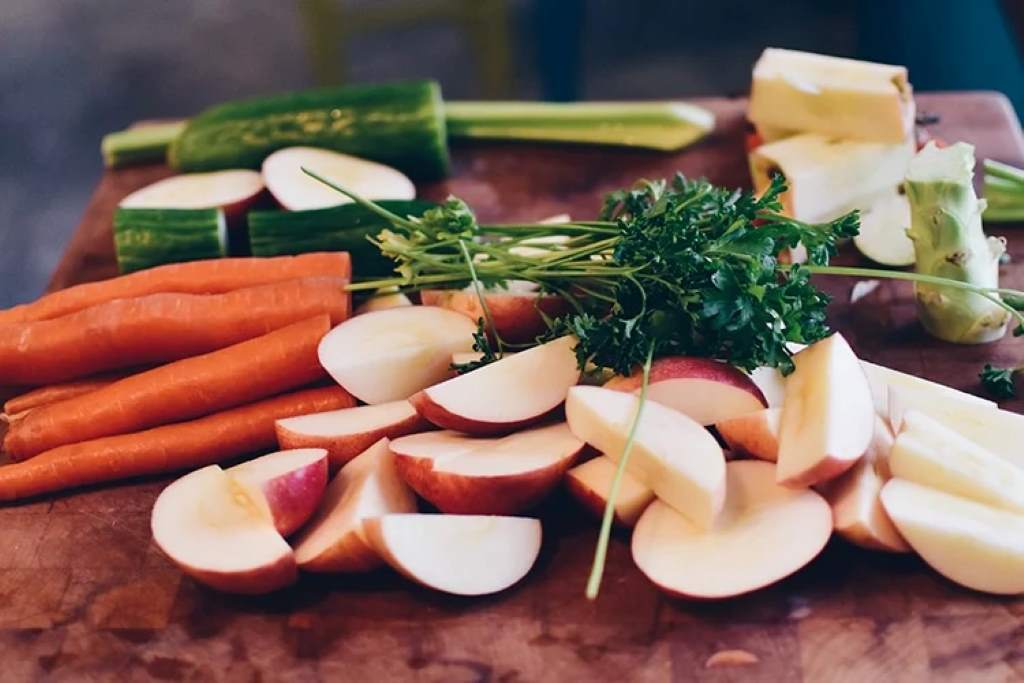
Before you begin the 7-day plan, stock your kitchen with these staples:
Fruits & Vegetables:
- Apples, bananas, berries
- Leafy greens (spinach, kale, romaine)
- Broccoli, carrots, cauliflower
- Sweet potatoes, zucchini, bell peppers
Whole Grains:
- Brown rice, quinoa, oats
- Whole wheat bread or tortillas (minimal ingredients)
Protein:
- Chicken breast, lean turkey
- Salmon, tuna, eggs
- Beans, lentils, tofu
Healthy Fats:
- Avocados, olive oil, coconut oil
- Chia seeds, flaxseeds, almonds, walnuts
Extras:
- Herbs and spices (garlic, turmeric, cumin, etc.)
- Plant-based milk (unsweetened almond or oat milk)
- Natural nut butters (no sugar added)
7-Day Whole Foods Meal Plan for Beginners
This whole foods weekly plan is designed to be balanced, nourishing, and easy to follow.
Day 1
Breakfast: Overnight oats with chia seeds, almond milk, berries, and a drizzle of honey
Lunch: Grilled chicken salad with spinach, cucumbers, tomatoes, and olive oil vinaigrette
Snack: Apple slices with almond butter
Dinner: Quinoa-stuffed bell peppers with black beans and avocado
Day 2
Breakfast: Smoothie with banana, spinach, flaxseeds, almond milk, and peanut butter
Lunch: Brown rice bowl with roasted sweet potato, black beans, corn, and salsa
Snack: Handful of walnuts and a pear
Dinner: Baked salmon with garlic roasted broccoli and quinoa
Day 3
Breakfast: Scrambled eggs with sautéed kale and avocado on whole grain toast
Lunch: Lentil soup with side of whole grain crackers
Snack: Greek yogurt (plain) with chopped fruits
Dinner: Turkey lettuce wraps with hummus and cucumber-tomato salad
Day 4
Breakfast: Oatmeal topped with banana, cinnamon, and walnuts
Lunch: Chickpea salad with olive oil, lemon, herbs, and vegetables
Snack: Carrot and celery sticks with hummus
Dinner: Stir-fried tofu with brown rice and mixed vegetables
Day 5
Breakfast: Smoothie bowl with mixed berries, chia seeds, and granola (no added sugar)
Lunch: Quinoa salad with grilled chicken, arugula, avocado, and lemon dressing
Snack: Handful of almonds and a clementine
Dinner: Grilled shrimp with roasted cauliflower and sweet potatoes
Day 6
Breakfast: Avocado toast on whole grain bread with poached egg
Lunch: Black bean burrito bowl with brown rice, corn, tomatoes, and guacamole
Snack: Rice cake with peanut butter and banana slices
Dinner: Baked chicken with green beans and mashed sweet potatoes
Day 7
Breakfast: Greek yogurt parfait with granola, berries, and honey
Lunch: Zucchini noodles with pesto, cherry tomatoes, and grilled tofu
Snack: Homemade trail mix (nuts, seeds, unsweetened dried fruits)
Dinner: Veggie stir-fry with tempeh and brown rice
Tips for Staying on Track
Sticking to a whole foods plan is easier when you plan ahead and stay flexible. Here are some helpful tips for beginners:
- Meal Prep:
Dedicate 1–2 days a week to prepping ingredients like chopped veggies, cooked grains, or grilled proteins. This saves time and reduces midweek stress.
- Read Labels:
Even foods that look “healthy” may contain added sugars or preservatives. Stick to items with minimal, recognizable ingredients.
- Hydrate Well:
Drink plenty of water throughout the day. Herbal teas and infused waters are great options to keep it interesting.
- Listen to Your Body:
Eat when you’re hungry, and stop when you’re full. Whole foods are naturally more satiating.
- Spice Things Up:
Use herbs and spices to keep your meals flavorful without relying on sauces or artificial seasonings.
Common Mistakes to Avoid
Even with the best intentions, beginners can fall into these traps:
- Going too strict, too fast: Gradual changes are more sustainable.
- Relying on smoothies or salads only: Balance is key; include proteins, carbs, and fats in each meal.
- Skipping meals: This often leads to binge eating later.
- Not planning snacks: Healthy snacks help curb cravings and maintain energy.
Why Whole Foods Matter
Unlike processed foods, which are high in refined sugars and trans fats, whole foods offer a rich profile of vitamins, minerals, fiber, and antioxidants. By nourishing your body with the right fuel, you’ll notice improved focus, better sleep, more stable moods, and fewer food cravings.
FAQs: Whole Foods for Beginners
Q: Can I eat dairy on a whole foods diet?
A: Yes, if you choose minimally processed options like plain Greek yogurt, full-fat milk, and real cheese. Avoid sweetened or low-fat varieties.
Q: Is meat allowed?
A: Absolutely. Opt for lean, organic meats and limit highly processed deli meats.
Q: What about snacks and desserts?
A: Whole foods versions of snacks (like roasted chickpeas, trail mix, or fruit) are perfect. For dessert, try frozen banana “nice cream” or baked apples with cinnamon.
Q: Is this similar to clean eating or Paleo?
A: While there’s overlap, whole foods eating isn’t as restrictive. It’s focused on unprocessed, real foods rather than eliminating entire food groups.
Conclusion: Start Your Whole Foods Journey Today
Switching to a whole foods meal plan doesn’t have to be overwhelming or expensive. With this simple, 7-day guide, you’re equipped to start nourishing your body with clean, satisfying meals that support energy, weight management, and long-term wellness.
Ready to feel better from the inside out? Start with this beginner-friendly whole foods plan, and see how great clean eating can make you feel — one delicious bite at a time.


