

The fastest way to burn fat is to combine strength training, high-intensity cardio, and a modest calorie deficit. No single trick works alone. You need consistent habits that support each other.
Many people search for a magic shortcut. The truth is simpler than that. Small, sustainable changes to how you move and eat add up fast.
This guide breaks down the fitness tips that actually work. You’ll find workout strategies, nutrition basics, and daily habits you can start today.
Why Some Workouts Burn Fat Faster Than Others
Not all exercise burns fat at the same rate. Workouts that raise your heart rate and build muscle burn more calories, even after you stop moving.
High-Intensity Interval Training (HIIT)
HIIT alternates short bursts of intense effort with brief recovery periods. This style of training keeps your metabolism elevated for hours after your workout ends. Many trainers call this the “afterburn effect.”
A typical HIIT session might include 30 seconds of sprinting followed by 30 seconds of walking. You repeat this cycle for 15-20 minutes. Studies from exercise physiology researchers suggest HIIT can burn more fat in less time than steady-state cardio.
Strength Training
Lifting weights builds lean muscle. Muscle tissue burns more calories at rest than fat tissue does. This means a stronger body becomes a more efficient fat-burning machine over time.
You don’t need heavy weights to start. Bodyweight exercises like squats, push-ups, and lunges build strength effectively. Aim for two to three strength sessions per week for the best results.
Steady-State Cardio
Steady-state cardio includes activities like jogging, cycling, or swimming at a consistent pace. This type of exercise burns calories during the activity itself. It also improves heart health and endurance.
Steady-state cardio works well as a complement to HIIT and strength training. It’s gentler on your joints, so it’s a good option on recovery days.
How Diet Drives Sustainable Fat Loss
Your workout plan matters, but your nutrition remains the primary catalyst for meaningful body re-composition. While high-intensity exercise elevates your metabolic rate, sustainable fat loss is ultimately built in the kitchen through a structured, nutrient-dense diet. Pairing targeted workouts with disciplined daily habits yields the fastest, most lasting transformation and that momentum begins the moment you wake up. To optimize your early hours for sustainable weight loss and peak daily energy, learn build a morning routine that improves your health with science-backed habits designed for a stronger, more resilient day.
Eat in a Moderate Calorie Deficit
To lose fat, you need to burn more calories than you consume. A moderate deficit of 300-500 calories per day supports steady fat loss without extreme hunger or muscle loss.
Cutting calories too aggressively often backfires. Your body may slow its metabolism to compensate. This makes fat loss harder over time, not easier.
Prioritize Protein
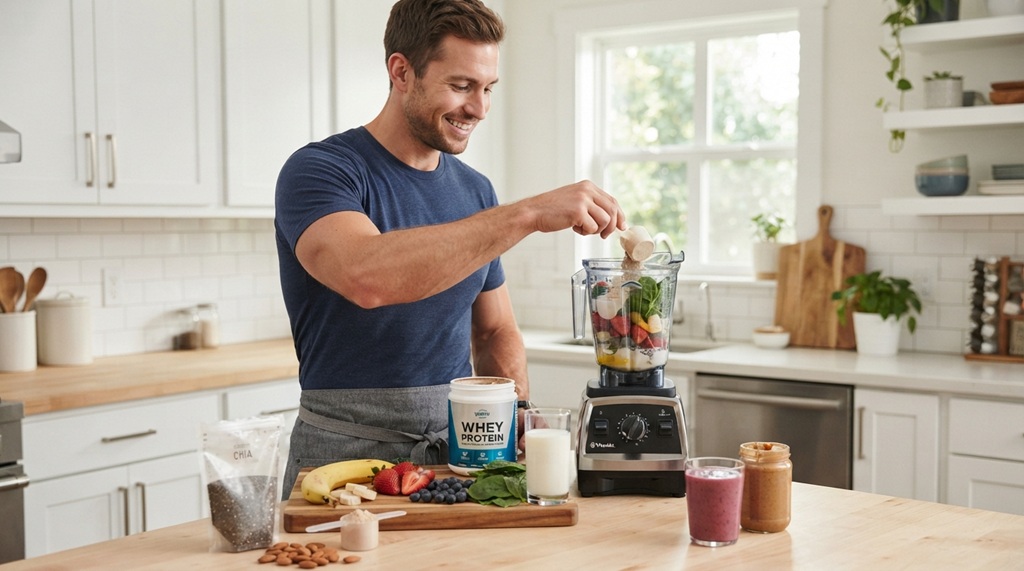
Protein keeps you full longer than carbs or fat. It also helps preserve muscle mass while you lose fat. Good sources include chicken, fish, eggs, beans, and Greek yogurt.
Try to include a protein source in every meal. This simple habit reduces cravings and supports your training recovery.
Limit Processed Sugar and Refined Carbs
Processed sugar and refined carbs spike your blood sugar, then cause it to crash. This crash often triggers hunger and cravings. Whole foods like vegetables, fruits, and whole grains digest more slowly and keep energy levels stable.
You don’t need to eliminate all sugar or carbs. Small, mindful reductions make a bigger difference than strict elimination diets, which are hard to maintain long-term.
Daily Habits That Support Fat Burning
Fitness tips extend beyond the gym. Your daily habits shape how efficiently your body burns fat around the clock.
Sleep Quality Matters More Than You Think
Poor sleep disrupts hormones that regulate hunger and metabolism. According to sleep researchers, inadequate sleep is linked to increased cravings and reduced fat loss, even when diet and exercise stay the same.
Aim for seven to nine hours of quality sleep each night. A consistent sleep schedule helps more than occasional long naps.
Manage Stress Levels
Chronic stress raises cortisol, a hormone linked to fat storage, especially around the belly. Simple stress-reduction practices like deep breathing, walking outdoors, or short meditation sessions can help lower cortisol over time.
Stress management isn’t a luxury. It’s a practical part of any fat-loss plan.
Stay Consistently Active
Sitting for long stretches slows your metabolism throughout the day. Standing up, stretching, or taking short walks every hour keeps your body engaged. This habit is sometimes called “non-exercise activity thermogenesis,” or NEAT.
Small movements add up. Taking the stairs, parking farther away, or walking during phone calls all contribute to your daily calorie burn.
A Sample Weekly Fat-Burning Routine
Structure helps you stay consistent. Here’s a simple weekly framework you can adjust to your fitness level.
- Monday: Strength training (full body)
- Tuesday: HIIT (20 minutes)
- Wednesday: Steady-state cardio or active rest
- Thursday: Strength training (full body)
- Friday: HIIT (20 minutes)
- Saturday: Outdoor activity or light cardio
- Sunday: Rest and recovery
This routine balances intensity with recovery. Rest days matter just as much as workout days. Your muscles repair and grow stronger during rest, not during the workout itself.
Common Mistakes That Slow Fat Loss
Even motivated people make mistakes that stall their progress. Avoiding these pitfalls can speed up your results.
Skipping Meals to Cut Calories
Skipping meals often leads to overeating later in the day. It can also slow your metabolism and reduce energy for workouts. Eating balanced meals throughout the day supports steadier fat loss.
Relying Only on Cardio
Cardio alone burns calories, but it doesn’t build the muscle that keeps your metabolism high long-term. Combining cardio with strength training produces better, more lasting results.
Expecting Overnight Results
Fat loss takes time. Most experts recommend aiming for one to two pounds of fat loss per week. Faster results often mean muscle loss or water weight, not real fat loss.
Frequently Asked Questions
What is the fastest way to burn fat naturally?
The fastest natural approach combines HIIT workouts, strength training, and a moderate calorie deficit with enough protein. Add consistent sleep and stress management for the best results. There’s no single natural “trick” that replaces these basics.
How long does it take to see fat loss results?
Most people notice visible changes within four to six weeks of consistent effort. Scale weight may shift sooner, but visible fat loss usually takes longer. Consistency matters more than speed.
Can you burn fat without exercise?
Yes, diet alone can create a calorie deficit that leads to fat loss. However, exercise speeds up the process and helps preserve muscle mass. Combining both gives the best long-term results.
Is cardio or weight training better for burning fat?
Both play a role in fat loss. Cardio burns calories during the workout, while weight training builds muscle that burns more calories at rest. A combination of both delivers the most effective results.
Do fat-burning supplements actually work?
Most fat-burning supplements offer minimal benefit on their own. According to nutrition experts, no supplement replaces a solid diet and exercise routine. Some may offer small support, but they aren’t a substitute for consistent habits.
Conclusion
Burning fat fast comes down to a few core habits: strength training, HIIT, a moderate calorie deficit, and enough protein. Sleep, stress management, and daily movement round out the picture.
There’s no single shortcut. But when you combine these fitness tips consistently, you’ll see real, lasting results. Start with one or two changes this week, then build from there.


