The hum of the modern world is undeniably fast-paced, often leaving us little time to pause and consider the impact of our daily choices sustainable lifestyle. Yet, beneath the surface of convenience and consumption lies a growing awareness: our planet is calling for a change. Climate change, resource depletion, and pollution are no longer abstract concepts; they are tangible realities impacting communities worldwide.
The good news? You don’t need to be a climate scientist or a radical activist to make a difference. Living a more sustainable lifestyle isn’t about drastic, overnight transformations. It’s about a series of conscious, manageable steps that, when accumulated, create a significant positive impact. It’s about embracing a mindset of mindfulness, respect for resources, and a commitment to future generations’ sustainable lifestyle.
If the idea of “sustainability” feels overwhelming, take a deep breath. This article is designed to break it down into actionable, easy-to-implement strategies you can start adopting today. We’ll explore practical tips that not only benefit the environment but can also save you money and even improve your well-being. So, let’s dive into 15 straightforward ways to embark on your journey toward a greener, more sustainable lifestyle.
-
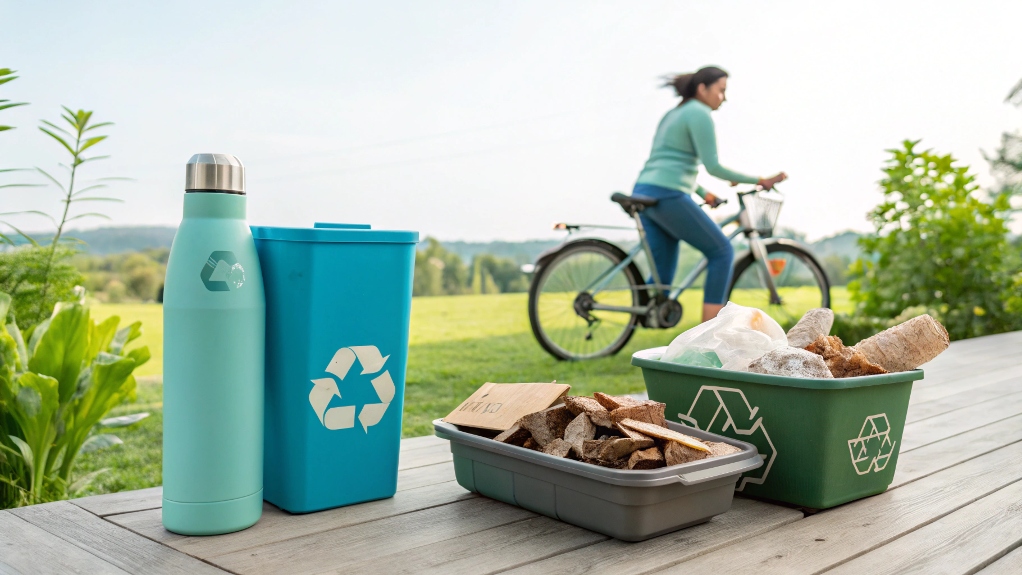
Embrace the Power of “Reduce, Reuse, Recycle” (in that order!)
This golden rule of sustainability isn’t new, but its importance cannot be overstated sustainable lifestyle.
- Reduce: This is the most crucial step. Before buying something, ask yourself: “Do I truly need this?” Minimalism isn’t just a trend; it’s a powerful tool for reducing your consumption footprint. Opt for experiences over material possessions, borrow instead of buying, and repair items instead of replacing them.
- Reuse: Before tossing something, consider its second life. Jars become food storage, old clothes become cleaning rags, and plastic containers become organizers. Get creative! Investing in reusable items like water bottles, coffee cups, and shopping bags is a simple yet impactful switch.
- Recycle: Once you’ve exhausted reduction and reuse, then and only then, consider recycling. Familiarize yourself with your local recycling guidelines, as they can vary. Proper sorting ensures materials are recycled and don’t end up in landfills.
-
Ditch Single-Use Plastics
Plastic pollution is a global crisis, choking our oceans and harming wildlife. The good news is that reducing your reliance on single-use plastics is surprisingly easy:
- Carry a reusable water bottle.
- Bring your reusable coffee cup.
- Say “no” to plastic straws (or carry a reusable one).
- Use reusable shopping bags for groceries and other purchases.
- Opt for products with minimal or no plastic packaging.
These small changes, when adopted by many, create a ripple effect.
-
Mind Your Food Choices: Eat Locally and Seasonally
Your plate has a significant environmental footprint. Making conscious food choices can dramatically reduce it:
- Buy Local: Food that travels fewer miles requires less fuel for transportation, reducing carbon emissions. Support your local farmers’ markets and community-supported agriculture (CSA) programs.
- Eat Seasonally: Nature provides us with an abundance of produce at different times of the year. Eating seasonally often means fresher, more flavorful food and reduces the need for energy-intensive greenhouses or long-distance shipping.
- Reduce Meat Consumption: Livestock farming is a major contributor to greenhouse gas emissions and land degradation. Consider incorporating more plant-based meals into your diet, even if it’s just a few times a week. “Meatless Mondays” are a great starting point.
- Minimize Food Waste: Globally, a significant portion of food produced is wasted. Plan your meals, store food properly, and get creative with leftovers. Composting food scraps is another excellent way to reduce waste and enrich your soil.
-
Conserve Energy at Home
Your home is a hub of energy consumption, but there are countless ways to reduce your usage and save money and sustainable lifestyle:
- Unplug “Vampire” Electronics: Many electronics draw power even when turned off. Unplug chargers, TVs, and other devices when not in use.
- Switch to LED Lighting: LED bulbs are far more energy-efficient and last longer than traditional incandescent bulbs.
- Optimize Heating and Cooling: Set your thermostat a few degrees higher in summer and lower in winter. Use programmable thermostats to adjust temperatures when you’re away.
- Seal Drafts: Weatherstrip doors and windows to prevent heat loss or gain.
- Use Natural Light: Open blinds and curtains during the day to maximize natural light.
- Wash Clothes in Cold Water: A significant portion of a washing machine’s energy goes to heating water. Modern detergents work effectively in cold water.
- Air Dry Clothes: Whenever possible, skip the dryer and air dry your laundry. It saves energy and is gentler on your clothes.
-
Be Mindful of Water Usage
Freshwater is a finite resource, and every drop counts:
- Take Shorter Showers: Aim for five-minute showers.
- Turn Off the Tap: Don’t let water run while brushing your teeth, washing dishes, or shaving.
- Fix Leaks: Even a small drip can waste gallons of water over time.
- Install Low-Flow Fixtures: Low-flow showerheads and toilets significantly reduce water consumption.
- Water Your Garden Wisely: Water plants early in the morning or late in the evening to minimize evaporation. Consider drought-tolerant plants for your landscaping.
-
Choose Sustainable Transportation
How you get around makes a big difference to your carbon footprint:
- Walk or Cycle: For short distances, walking or cycling is not only environmentally friendly but also great for your health.
- Use Public Transportation: Buses, trains, and subways are significantly more efficient than individual cars.
- Carpool: Share rides with friends, family, or colleagues.
- Consider an Electric or Hybrid Vehicle: If you need a car, look into more fuel-efficient options.
- Reduce Air Travel: Flying has a high carbon footprint. Explore alternatives like trains for shorter trips or consider “staycations.”
-
Shop Smart: Support Ethical and Sustainable Brands
Every purchase is a vote. Choose to support companies committed to ethical labor practices, sustainable sourcing, and environmentally friendly production methods.
- Look for certifications (e.g., Fair Trade, B Corp, organic).
- Research brands’ environmental and social policies.
- Prioritize quality over quantity; durable items last longer and reduce waste.
-
Grow Your Own (Even a Little!)
Even a small herb garden on your windowsill can be a step towards sustainability. Growing your own food reduces transportation emissions, pesticide use, and packaging waste. Plus, it’s incredibly rewarding!
-
Educate Yourself and Others
Knowledge is power. Learn more about environmental issues and sustainable solutions. Share what you learn with friends and family. Encourage dialogue and inspire others to make positive changes.
-
Participate in Community Initiatives
Join local clean-up drives, volunteer for environmental organizations, or participate in community gardening projects. Collective action amplifies individual efforts.
-
Reduce Paper Consumption
In our digital age, reducing paper use is easier than ever:
- Opt for digital billing and statements.
- Use reusable notebooks or digital note-taking apps.
- Print only when necessary and print double-sided.
- Recycle paper products properly.
-
Choose Eco-Friendly Cleaning Products
Many conventional cleaning products contain harsh chemicals that can harm both your health and the environment.
- Look for biodegradable and non-toxic cleaning solutions.
- Consider making your own with natural ingredients like vinegar, baking soda, and lemon juice.
-
Mind Your Digital Footprint
While often overlooked, our digital activities have an environmental impact. Data centers consume vast amounts of energy.
- Unsubscribe from unnecessary emails.
- Delete old files and photos from the cloud.
- Limit your streaming hours if possible.
- Choose green hosting providers for websites.
-
Embrace the Outdoors and Connect with Nature
Spending time in nature fosters a deeper appreciation for the environment, inspiring you to protect it. Go for a walk, hike, or simply sit in a park. This connection can be a powerful motivator for sustainable living.
-
Start Small and Be Patient
The most important step is to start. Don’t try to change everything at once. Pick one or two areas from this list that resonate with you and begin there. Celebrate small victories. Sustainable living is a journey, not a destination. There will be times you forget your reusable bag or indulge in something less-than-eco-friendly. That’s okay! The key is consistent effort and a continuous commitment to learning and improving.
Read More Also: Piña Passion Juice
Your Impact Matters
Every conscious choice you make, no matter how small, contributes to a larger shift. As more individuals embrace sustainable practices, the collective impact becomes immense, driving change at a societal and global level. Living sustainably isn’t just about protecting the planet; it’s about building a healthier, more resilient, and more equitable future for all. So, take these tips, implement them at your own pace, and empower yourself to be a part of the solution. The planet will thank you.
Read More Also: Fix Dough Jamming in Your Pasta Maker