

Introduction: Why Making Natural Food Coloring from Garden Produce is a Game-Changer
In today’s world of processed foods and synthetic additives, there’s a growing movement toward clean eating and sustainable living. One of the simplest yet most impactful ways to embrace this lifestyle is by making natural food coloring from garden produce. Imagine transforming your homegrown fruits, vegetables, and herbs into stunning hues that not only beautify your dishes but also nourish your body. This practice allows you to bypass artificial dyes linked to health concerns like hyperactivity in children and allergic reactions, as reported by the Center for Science in the Public Interest (CSPI).
With just a few ingredients plucked fresh from your backyard or local farmer’s market, you can create vivid reds, lush greens, sunny yellows, and deep purples—all while reducing waste and promoting sustainability. Whether you’re an avid baker, a health-conscious parent, or simply someone who loves experimenting in the kitchen, this article will guide you step-by-step through the art and science of crafting vibrant colors naturally.
The Benefits of Natural Food Coloring Over Artificial Dyes
Health Concerns Surrounding Synthetic Dyes
Artificial food colorings have been under scrutiny for decades. Studies suggest that certain synthetic dyes may contribute to behavioral issues in children, including ADHD symptoms. According to research published in The Lancet , consuming artificial food colors combined with preservatives could exacerbate hyperactivity in some kids. Moreover, many artificial dyes are derived from petroleum—a fact that raises eyebrows among environmentally conscious consumers.
Environmental Impact
Beyond personal health risks, artificial dyes pose significant environmental challenges. Their production often involves harmful chemicals that pollute ecosystems. By contrast, natural food coloring made from garden produce is biodegradable and supports a circular economy where nothing goes to waste.
Aesthetic Appeal Without Compromise
Natural food coloring doesn’t mean sacrificing vibrancy. In fact, using plant-based pigments can enhance the visual appeal of your creations by offering nuanced shades that artificial dyes simply cannot replicate. For instance, beetroot powder creates a rich magenta hue perfect for frosting, while turmeric lends a golden glow ideal for cakes and curries.
Getting Started: Essential Tools and Ingredients
Before diving into the colorful world of DIY food coloring, it’s essential to gather the right tools and ingredients. Here’s what you’ll need:
- Basic Kitchen Tools : A blender, fine mesh strainer, saucepan, and glass jars for storage.
- Fresh Produce : Depending on the desired color, stock up on items like beets, spinach, carrots, blueberries, and turmeric.
- Optional Additives : Lemon juice or vinegar can help preserve colors, while baking soda can adjust pH levels to achieve specific shades.
Investing in high-quality equipment ensures efficiency and longevity in your projects. Plus, having everything ready beforehand makes the process smoother and more enjoyable.
Step-by-Step Guide to Creating Natural Colors
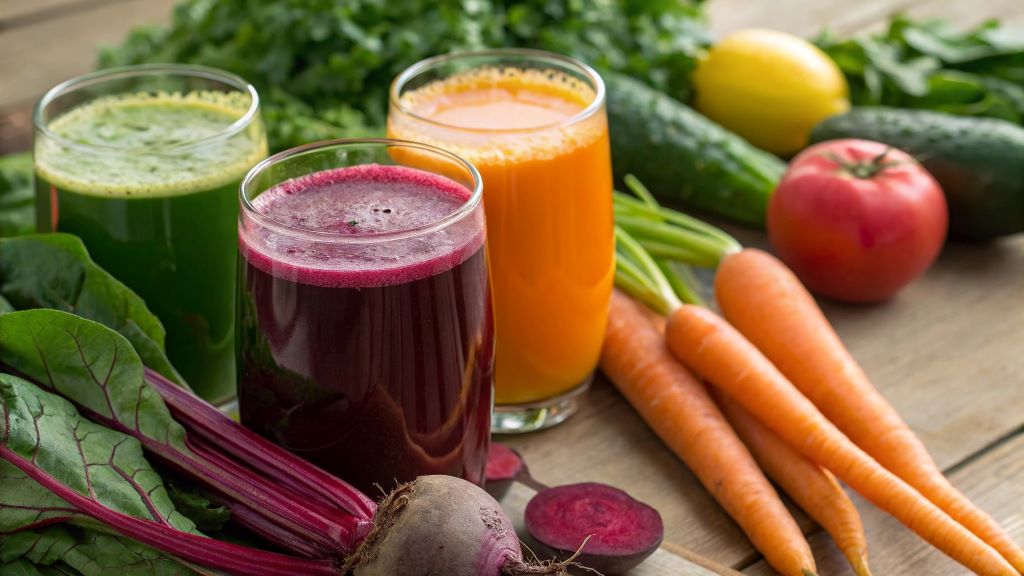
Reds and Pinks: The Power of Beets and Berries
Beets are a powerhouse when it comes to creating bold red tones. To extract their pigment:
- Boil chopped beets until tender.
- Blend them with water and strain the liquid.
- Store in airtight containers for up to one week.
For pink shades, freeze-dried raspberries work wonders. Simply crush them into a fine powder and mix with a little water. These options are not only visually striking but also packed with antioxidants.
Yellows and Oranges: Harnessing Turmeric and Carrots
Turmeric is a staple in Indian cuisine and doubles as a brilliant yellow dye. Mix turmeric powder with warm water to create a concentrated paste. Alternatively, cook grated carrots in water and strain the liquid for a softer orange tint.
Greens: Spinach and Matcha Magic
Spinach provides a subtle green shade without altering the flavor profile too much. Blend fresh leaves with water and strain the mixture. If you want a bolder green, consider matcha powder, which offers both color and nutritional benefits.
Blues and Purples: Blueberries and Purple Sweet Potatoes
Blueberries yield a deep indigo hue when simmered in water. Similarly, purple sweet potatoes can be boiled and blended to produce rich purples. Both options add a touch of elegance to any dish.
Creative Applications for Your Homemade Food Coloring
Once you’ve mastered the basics, the possibilities are endless. Use your homemade dyes to elevate everyday recipes:
- Baked Goods : Add a splash of beet juice to red velvet cupcakes or swirl spinach-infused batter into zucchini bread.
- Smoothie Bowls : Create rainbow layers with different colored powders.
- Easter Eggs : Dye hard-boiled eggs using natural extracts instead of commercial kits.
- Cocktails and Mocktails : Impress guests with beautifully hued drinks infused with fruit and vegetable essences.
By incorporating these colors into various dishes, you turn ordinary meals into works of art.
Debunking Myths About Natural Food Coloring
Some skeptics argue that natural food coloring lacks intensity compared to its artificial counterparts. While it’s true that plant-based hues might fade faster, proper storage and application techniques can mitigate this issue. Additionally, pairing complementary colors—like adding a hint of red to intensify orange—can amplify vibrancy.
Another myth is that natural dyes are prohibitively expensive. On the contrary, growing your own produce or sourcing locally cuts costs significantly. Plus, reusing scraps like beet tops or carrot peels minimizes waste further.
Dairy-Free Delights from Whole Foods: Your Ultimate Guide to Sweet, Healthy Living
Popular FAQs About Making Natural Food Coloring
Q: Can I use frozen produce?
A: Yes! Frozen fruits and veggies retain their pigments well. Just thaw before use.
Q: How long does homemade food coloring last?
A: When stored in airtight containers in the fridge, most natural dyes remain usable for up to one week. Adding lemon juice extends shelf life slightly.
Q: Will my recipes taste different?
A: Most natural dyes impart minimal flavor, though stronger ingredients like turmeric might require adjustment.
Q: Are there allergen-free alternatives?
A: Absolutely. Unlike artificial dyes, which sometimes contain allergens, natural options cater to diverse dietary needs.
Conclusion: Embrace Sustainability Through Colorful Creations
Making natural food coloring from garden produce isn’t just about aesthetics—it’s a commitment to healthier living and environmental responsibility. By adopting this practice, you empower yourself to take control of what goes into your food while fostering a deeper connection with nature. From vibrant cakes to nutrient-rich smoothies, every creation becomes a testament to creativity and care.
So roll up your sleeves, head to your garden, and start exploring the kaleidoscope of possibilities waiting at your fingertips. Together, we can redefine beauty in our kitchens—one natural hue at a time.
Final Note: Share your experiences and experiments with natural food coloring in the comments below. Let’s inspire each other to live sweeter, greener lives!
Read More:
Unlock the Secret to Youthful Skin with Plant Stem Cell Skin Renewal
Dairy-Free Delights from Whole Foods: Your Ultimate Guide to Sweet, Healthy Living


