

Have you ever wondered how your everyday habits affect the environment? While global issues like climate change and pollution may seem too large to tackle alone, the truth is, sustainable living begins at home. Green living isn’t just a trendy buzzword—it’s a conscious lifestyle choice that can reduce your environmental footprint and inspire others to follow suit. Whether you’re a beginner or a seasoned eco-warrior, adopting a few eco-friendly habits can have a lasting impact.
In this guide, we’ll explore simple yet powerful habits that make green living easy, practical, and effective. From reducing waste to conserving energy, these changes not only help save the planet but often lead to healthier, more cost-effective living.
Rethink Your Consumption Habits
One of the core principles of sustainable living is mindful consumption. Every item we purchase—whether it’s food, clothing, or electronics—comes with an environmental cost. To live green, we must ask ourselves: Do I really need this?
Tips to Reduce Overconsumption:
- Follow the “Buy Less, Choose Well” philosophy: Opt for quality over quantity.
- Support local and sustainable brands that focus on ethical sourcing.
- Avoid fast fashion and instead buy timeless, durable clothing.
- Use reusable shopping bags to avoid single-use plastic.
By shifting to a more conscious buying mindset, you’re not only reducing waste but also supporting a sustainable economy.
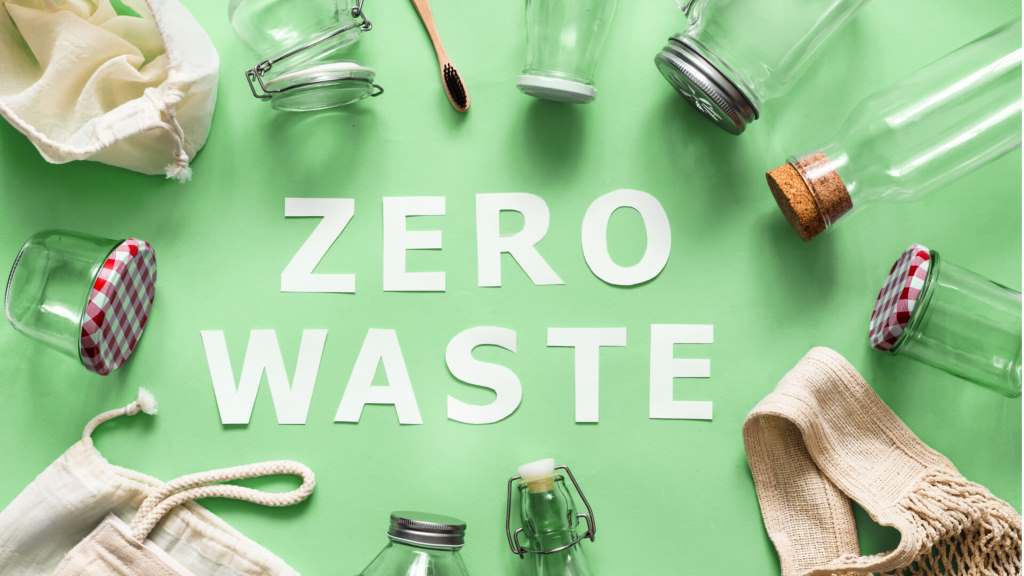
Adopt a Zero-Waste Lifestyle
Zero-waste living might sound intimidating, but it starts with small changes. The goal is to minimize the amount of trash sent to landfills, which reduces pollution and conserves resources.
Easy Zero-Waste Habits to Start Today:
- Carry a reusable water bottle and coffee cup.
- Swap plastic wrap for beeswax wraps or reusable silicone lids.
- Switch to bar soaps, shampoo bars, and refillable containers.
- Compost food scraps and garden waste.
Incorporating zero-waste habits into your daily routine helps lower your carbon footprint and builds a stronger connection with the environment.
Save Energy at Home
Reducing energy usage is one of the most effective ways to combat climate change. Making your home more energy-efficient doesn’t require expensive upgrades.
Simple Energy-Saving Tips:
- Unplug electronics when not in use to avoid phantom energy loss.
- Use LED light bulbs, which consume up to 80% less energy.
- Seal windows and doors to prevent heat loss in winter.
- Install a programmable thermostat to optimize heating and cooling.
Not only do these changes help reduce greenhouse gas emissions, but they can also significantly lower your utility bills.
Choose Sustainable Transportation
Transportation is a leading contributor to global carbon emissions. Fortunately, there are greener ways to get around that reduce your impact on the environment.
Eco-Friendly Commuting Options:
- Walk or bike for short trips.
- Use public transportation instead of driving solo.
- Carpool or rideshare to reduce the number of vehicles on the road.
- If buying a new vehicle, consider a hybrid or electric car.
Even switching just a few trips a week to more sustainable options can lead to a noticeable difference over time.
Eat with the Planet in Mind
Your diet has a direct impact on the environment. Food production—especially meat and dairy—contributes to deforestation, water waste, and greenhouse gas emissions.
Green Eating Habits:
- Eat more plant-based meals: Incorporating Meatless Mondays or switching to a flexitarian diet can help.
- Buy organic and seasonal produce when possible.
- Reduce food waste by planning meals and using leftovers creatively.
- Support local farmers by shopping at farmer’s markets.
Making mindful food choices not only benefits the Earth but also leads to a healthier lifestyle.
Use Eco-Friendly Products
From cleaning supplies to personal care, many everyday products contain chemicals that are harmful to both humans and the environment.
Eco-Conscious Product Choices:
- Switch to natural cleaning products or make your own using vinegar and baking soda.
- Choose biodegradable or recycled materials in household items.
- Avoid products with microbeads, which pollute oceans.
- Use reusable cloths instead of paper towels.
Green products support a toxic-free lifestyle, protecting your health while reducing environmental harm.
Conserve Water
Water is a finite resource, yet it’s often taken for granted. Reducing water waste is essential for a sustainable future.
Water-Saving Tips:
- Fix leaks promptly—a dripping faucet can waste gallons daily.
- Install low-flow showerheads and faucets.
- Collect rainwater for gardening.
- Only run the dishwasher and washing machine with full loads.
By conserving water, you’re helping maintain clean water supplies for future generations and protecting delicate ecosystems.
Support Renewable Energy
If your local energy provider offers it, opt-in to renewable energy plans. Supporting wind, solar, and hydro power reduces dependence on fossil fuels.
If installing solar panels is within your budget, consider it a long-term investment in both your home and the planet.
Even if renewable energy isn’t yet accessible in your area, advocating for clean energy policies and supporting green initiatives makes a difference.
Get Involved in Your Community
Sustainability is not just personal—it’s communal. By getting involved, you amplify your impact.
How to Contribute Locally:
- Participate in community clean-ups.
- Join local environmental organizations or start one.
- Encourage green initiatives in schools and workplaces.
- Attend or host climate awareness events.
Being part of a community effort fosters inspiration, accountability, and collective change.
Educate Yourself and Others
Knowledge is the foundation of action. Stay updated on climate news, environmental policies, and eco-living tips.
Follow blogs, podcasts, and documentaries on sustainability. Share what you learn with friends, family, and social media networks. Awareness sparks action.
Final Thoughts: Small Habits, Big Impact
Green living doesn’t require a complete life overhaul. It starts with small, intentional changes that accumulate over time. From reducing waste and saving energy to supporting local agriculture and choosing sustainable products, your everyday choices matter.
By living more consciously, you not only reduce your carbon footprint but also inspire others to join the movement.


