In a world buzzing with notifications, deadlines, and endless to-do lists, finding inner calm can feel like chasing a mirage. Stress creeps in, anxiety lingers, and before you know it, your mental peace is under siege. But what if you could reclaim that serenity and guard it fiercely? Protecting your peace isn’t just a trendy phrase—it’s a vital skill for thriving in today’s chaos. This article dives into practical, proven mental wellness tips to help you cultivate calm, reduce stress, and live with intention. Let’s explore how to safeguard your mental health and build a life of balance and clarity.
Why Protecting Your Peace Matters
Your mental well-being is the foundation of a fulfilling life. When your mind is cluttered or overwhelmed, it affects your relationships, productivity, and even physical health. Chronic stress can lead to burnout, anxiety disorders, or depression, making it crucial to prioritize mental wellness. By learning how to protect your peace, you’re not just dodging negativity—you’re actively nurturing a resilient, joyful mindset.
The Cost of Neglecting Mental Health
Ignoring mental health can spiral into serious consequences. According to the World Health Organization, nearly 1 in 4 people globally will experience a mental health condition at some point. Stress-related issues like insomnia, fatigue, or irritability often signal that your peace is at risk. Taking proactive steps now can prevent bigger challenges down the road.
Practical Tips to Protect Your Peace
Here are actionable strategies to shield your mental well-being and foster lasting calm. These tips are designed to fit into busy lives, offering real value without overwhelming you.
Set Healthy Boundaries
Boundaries are your mental fortress. They define what you’re willing to accept from others and yourself. Without them, you’re vulnerable to overcommitment, resentment, and stress overload.
- Say No Without Guilt: Politely decline tasks or invitations that don’t align with your priorities. For example, “I appreciate the offer, but I’m focusing on some personal goals right now.”
- Limit Toxic Interactions: Reduce time spent with people who drain your energy. If cutting ties isn’t possible, set clear limits, like shortening conversations or avoiding heavy topics.
- Protect Your Time: Schedule “me time” for rest or hobbies. Treat it as non-negotiable, just like a work meeting.
Pro Tip: Practice assertive communication to reinforce boundaries. Use “I” statements, like “I need some quiet time to recharge,” to express your needs clearly.
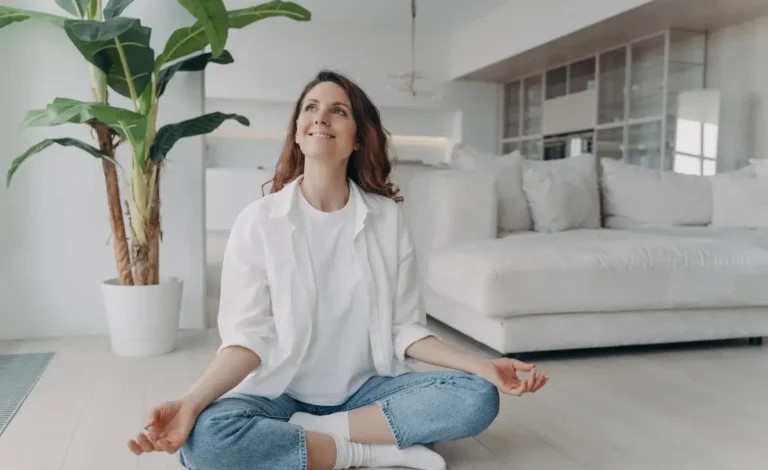
Practice Mindfulness Daily
Mindfulness keeps you grounded in the present, reducing anxiety about the future or regrets about the past. It’s a powerful tool for mental clarity and emotional balance.
- Start Small: Try a 5-minute breathing exercise each morning. Inhale for 4 counts, hold for 4, exhale for 6. Focus on your breath to anchor your mind.
- Incorporate Mindful Moments: Pay attention to everyday tasks, like savoring your coffee or feeling the warmth of a shower. These micro-practices build awareness.
- Use Guided Meditations: Apps like Headspace or Calm offer short sessions for beginners. Even 10 minutes daily can lower stress levels significantly.
Why It Works: Studies show mindfulness reduces cortisol (the stress hormone) and improves emotional regulation, helping you stay calm under pressure.
Curate Your Digital Environment
Your phone can be a peace-stealer if left unchecked. Social media, news alerts, and endless scrolling trigger comparison, anxiety, and mental clutter.
- Unfollow Negative Accounts: Remove or mute profiles that spark envy or negativity. Follow creators who inspire or educate instead.
- Set Screen Time Limits: Use built-in phone features to cap app usage. Aim for no screens 30 minutes before bed to improve sleep quality.
- Declutter Notifications: Turn off non-essential alerts. A quieter phone means a quieter mind.
Quick Win: Try a 24-hour digital detox once a month. Use the time to journal, read, or connect with loved ones face-to-face.
Prioritize Physical Wellness
Your body and mind are deeply connected. Neglecting physical health—sleep, diet, or movement—can erode your mental peace.
- Get Enough Sleep: Aim for 7-9 hours nightly. Create a wind-down routine, like reading or dimming lights, to signal rest time.
- Eat Mood-Boosting Foods: Incorporate omega-3s (found in salmon or walnuts), leafy greens, and whole grains. Avoid excessive sugar, which can spike anxiety.
- Move Your Body: Exercise releases endorphins, nature’s stress-busters. A 20-minute walk, yoga session, or dance break can lift your mood.
Did You Know? Regular exercise can reduce anxiety symptoms by up to 40%, according to research from the Anxiety and Depression Association of America.
Embrace Gratitude and Positivity
A grateful mindset shifts your focus from what’s wrong to what’s right, fostering resilience and joy.
- Keep a Gratitude Journal: Write down 3 things you’re thankful for each day. They can be small, like a sunny day or a kind word.
- Reframe Challenges: Instead of dwelling on setbacks, ask, “What can I learn from this?” This builds mental flexibility.
- Surround Yourself with Positivity: Spend time with supportive people who uplift you. Their energy is contagious.
Try This: Start or end your day with a “gratitude scan,” mentally listing moments that brought you joy or comfort.
Seek Professional Support When Needed
There’s strength in asking for help. If stress, anxiety, or low mood persist, a therapist or counselor can provide tools to navigate challenges.
- Find a Therapist: Platforms like BetterHelp or Psychology Today make it easy to connect with licensed professionals.
- Explore Support Groups: Sharing experiences with others can reduce feelings of isolation.
- Consider Medication: For some, medication prescribed by a psychiatrist can stabilize mood and support therapy.
Important: Seeking help is a proactive step, not a sign of weakness. It’s like going to a doctor for a physical injury—your mind deserves the same care.
Common Roadblocks and How to Overcome Them
Protecting your peace isn’t always smooth sailing. Here’s how to tackle common obstacles:
- Lack of Time: Start with micro-habits, like 2-minute meditations or a quick stretch. Consistency trumps duration.
- Feeling Overwhelmed: Break tasks into small steps. For example, instead of “declutter my life,” start with one drawer or one boundary.
- Self-Doubt: Remind yourself that progress, not perfection, is the goal. Celebrate small wins, like saying no once or sleeping better for a night.
Long-Term Strategies for Lasting Peace
To make mental wellness a lifestyle, weave these habits into your routine:
- Reflect Regularly: Journal weekly to check in with your emotions and goals. Ask, “What’s draining me? What’s energizing me?”
- Build a Support System: Nurture relationships with people who respect your boundaries and share your values.
- Stay Curious: Explore new self-care practices, like art therapy or breathwork, to keep your wellness journey fresh.
Conclusion: Your Peace Is Worth Protecting
Protecting your peace is a radical act of self-love in a world that thrives on chaos. By setting boundaries, practicing mindfulness, curating your environment, and prioritizing physical and emotional health, you can build a sanctuary within yourself. These mental wellness tips aren’t just quick fixes—they’re tools for a resilient, balanced life. Start small, stay consistent, and watch your inner calm flourish.
What’s one step you’ll take today to protect your peace? Share it in the comments below, or try journaling your thoughts to kickstart your journey. For more tips on mental wellness, subscribe to our newsletter and join our community of peace-seekers!