

Imagine sitting down to a meal that not only tastes amazing but also fuels your body, boosts your energy, and supports your long-term health. Sounds like a dream, right? The secret lies in building a balanced plate—a simple yet powerful approach to nutrition that ensures you’re getting the right mix of nutrients without overcomplicating your meals. Whether you’re aiming to improve your diet, maintain a healthy weight, or simply feel better, mastering the art of a balanced plate is a game-changer. In this guide, we’ll break down practical, science-backed nutrition tips to help you create meals that nourish and satisfy. Let’s dive into how to build a balanced plate and make healthy eating effortless.
What Is a Balanced Plate?
A balanced plate is a visual and practical way to structure your meals to include the essential nutrients your body needs. It’s not about strict rules or calorie counting but about ensuring each meal contains a mix of macronutrients (carbohydrates, proteins, and fats) and micronutrients (vitamins and minerals). By focusing on variety, portion control, and nutrient density, a balanced plate supports overall health, from boosting immunity to improving digestion and energy levels.
The concept is rooted in guidelines from organizations like the USDA and Harvard’s Healthy Eating Plate, which emphasize whole foods and proportional servings. Think of your plate as a canvas: each section holds a key component of nutrition, working together to create a masterpiece of a meal.
Why a Balanced Plate Matters
Eating a balanced diet isn’t just about looking good—it’s about feeling good and supporting your body’s needs. A well-constructed plate can:
- Support Energy Levels: Balanced meals stabilize blood sugar, preventing energy crashes.
- Promote Weight Management: Proper portions and nutrient variety help you feel full and satisfied.
- Boost Nutrient Intake: A mix of food groups ensures you get essential vitamins and minerals.
- Reduce Chronic Disease Risk: A nutrient-rich diet supports heart health, brain function, and more.
Now, let’s explore how to build that perfect plate with practical tips you can apply today.
The Components of a Balanced Plate
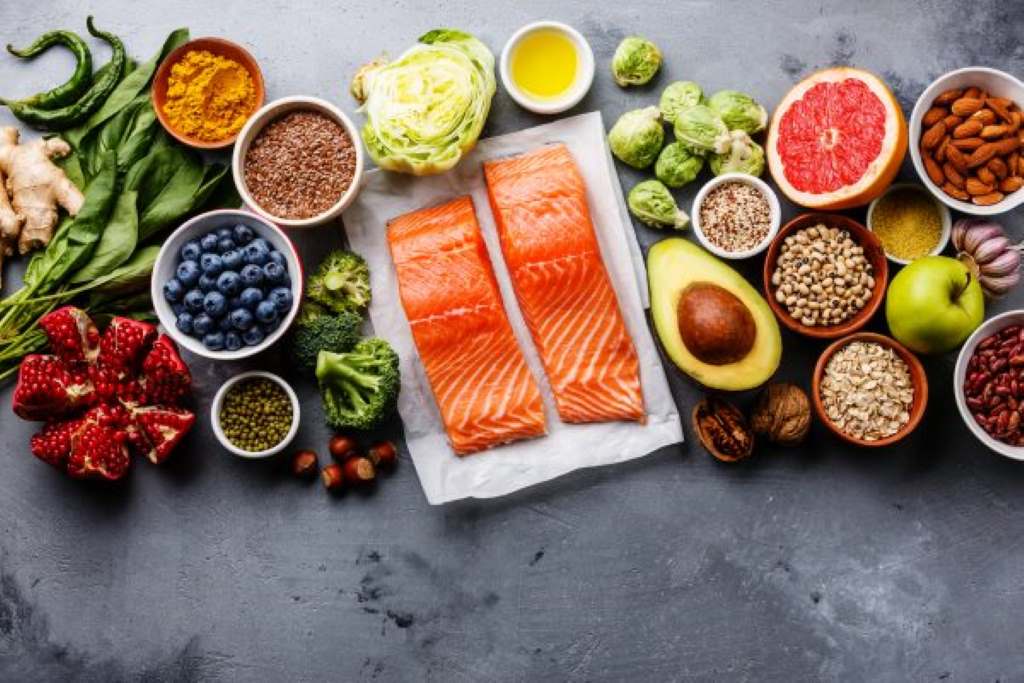
To create a balanced plate, aim to include these core components in every meal. Think of your plate as divided into sections, with each food group playing a vital role.
Vegetables: The Foundation of Your Plate
Vegetables should take up about half your plate. They’re packed with fiber, vitamins, minerals, and antioxidants that support everything from digestion to immune health. Non-starchy vegetables like leafy greens, broccoli, bell peppers, and zucchini are low in calories but high in nutrients, making them ideal for filling up without overloading.
Tips for Adding Veggies:
- Go Colorful: Incorporate a variety of colors—red tomatoes, orange carrots, green spinach—to maximize nutrient diversity.
- Sneak Them In: Blend veggies into sauces, smoothies, or casseroles for picky eaters.
- Season Smart: Use herbs, spices, or a drizzle of olive oil to enhance flavor without extra calories.
Example: A side of roasted Brussels sprouts with garlic or a fresh salad with mixed greens, cucumber, and avocado.
Lean Proteins: The Building Blocks
Protein is essential for muscle repair, hormone production, and satiety. Aim for a quarter of your plate to include lean protein sources. Options like chicken breast, fish, tofu, eggs, or legumes provide high-quality protein without excessive saturated fat.
Tips for Choosing Proteins:
- Mix It Up: Rotate between animal-based (chicken, salmon) and plant-based (lentils, chickpeas) proteins.
- Watch Preparation: Grill, bake, or steam instead of frying to keep it healthy.
- Portion Control: A serving is about the size of your palm (3–4 ounces for most adults).
Example: Grilled salmon with a sprinkle of lemon zest or a hearty lentil stew.
Whole Grains or Starchy Vegetables: The Energy Source
Carbohydrates are your body’s primary energy source, so dedicate about a quarter of your plate to whole grains or starchy vegetables. Choose nutrient-dense options like quinoa, brown rice, sweet potatoes, or whole-grain pasta over refined grains.
Tips for Healthy Carbs:
- Prioritize Whole Grains: They’re higher in fiber and nutrients than white bread or pasta.
- Control Portions: A half-cup of cooked grains or one small sweet potato is usually enough.
- Experiment with Alternatives: Try farro, bulgur, or cauliflower rice for variety.
Example: A small scoop of quinoa or a roasted sweet potato wedge.
Healthy Fats: The Flavor and Function Enhancers
Healthy fats are crucial for brain health, hormone balance, and nutrient absorption. While they don’t need a large portion, a small amount—like a tablespoon or two—adds flavor and satisfaction. Think avocados, nuts, seeds, or olive oil.
Tips for Including Fats:
- Choose Wisely: Opt for unsaturated fats (olive oil, almonds) over trans or excessive saturated fats.
- Use Sparingly: Fats are calorie-dense, so a little goes a long way.
- Incorporate Naturally: Add avocado slices to a salad or sprinkle chia seeds on yogurt.
Example: A drizzle of olive oil on roasted veggies or a handful of walnuts in a salad.
Hydration and Extras: Don’t Forget the Basics
While not on your plate, hydration is key to a balanced diet. Water supports digestion, nutrient absorption, and overall health. Pair your meal with water, herbal tea, or unsweetened beverages. For added flavor, include nutrient-rich “extras” like fresh herbs, spices, or a splash of citrus to boost taste and health benefits.
Practical Tips for Building a Balanced Plate
Now that you know the components, here’s how to put it all together in real life:
Plan Ahead for Success
- Meal Prep: Chop veggies or cook grains in bulk to save time during the week.
- Use a Template: Visualize your plate as a guide—half veggies, a quarter protein, a quarter carbs, and a sprinkle of fats.
- Batch Cook: Prepare versatile proteins (like grilled chicken or tofu) that pair with multiple dishes.
Make It Enjoyable
- Focus on Flavor: Experiment with spices, herbs, or marinades to keep meals exciting.
- Eat Seasonally: Choose fresh, in-season produce for better taste and nutrition.
- Involve Family: Get kids or partners to help build their own plates for fun and engagement.
Adapt for Your Needs
- Dietary Restrictions: Swap ingredients to fit vegetarian, vegan, gluten-free, or other diets. For example, use lentils for protein or zucchini noodles for carbs.
- Lifestyle Goals: Adjust portions for weight loss, muscle gain, or maintenance. For example, increase protein for active lifestyles or reduce carbs for lower-calorie meals.
- Cultural Preferences: Incorporate traditional foods—like beans and rice or stir-fried veggies—into the balanced plate framework.
Avoid Common Pitfalls
- Overloading Portions: Use smaller plates to naturally control serving sizes.
- Skipping Food Groups: Even if you’re cutting carbs, include a small portion of nutrient-dense options like sweet potatoes.
- Relying on Processed Foods: Limit packaged meals, which often lack nutrient balance.
The Science Behind a Balanced Plate
Research supports the balanced plate approach. A 2020 study in The Journal of Nutrition found that diets rich in whole foods—vegetables, lean proteins, and whole grains—improve metabolic health and reduce the risk of chronic diseases like diabetes and heart disease. Fiber from veggies and grains aids digestion, while proteins and fats promote satiety, helping you avoid overeating. By prioritizing nutrient-dense foods, you’re giving your body the tools it needs to thrive.
Sample Balanced Plate Ideas
Need inspiration? Here are three balanced plate ideas for different meals:
- Breakfast: Greek yogurt (protein) topped with berries (veggies/fruits), a sprinkle of granola (whole grains), and chia seeds (healthy fats).
- Lunch: Grilled chicken breast (protein), mixed greens with cucumber and tomato (veggies), quinoa (whole grains), and avocado slices (fats).
- Dinner: Baked salmon (protein), roasted broccoli and carrots (veggies), brown rice (whole grains), and a drizzle of olive oil (fats).
How to Stay Consistent
Building a balanced plate is a habit, and like any habit, it takes practice. Start small by focusing on one meal a day, like dinner, and gradually apply the principles to all meals. Track your progress with a food journal or app to ensure variety and balance. Over time, creating a balanced plate will feel second nature.
Conclusion: Start Building Your Balanced Plate Today
A balanced plate is more than a meal—it’s a step toward better health, more energy, and a happier you. By filling your plate with colorful vegetables, lean proteins, whole grains, and healthy fats, you’re giving your body the nutrients it craves in a way that’s sustainable and delicious. Start experimenting with these nutrition tips today, and don’t be afraid to get creative with flavors and ingredients.
Ready to transform your meals? Try building a balanced plate for your next meal and share your creation in the comments below! Want more healthy eating tips? Subscribe to our newsletter for weekly recipes and nutrition advice tailored to your goals.


