

In today’s fast-paced world, stress can feel like an unwelcome guest that overstays its welcome. Between work deadlines, family responsibilities, and the constant buzz of notifications, finding calm can seem impossible. But what if you could melt away tension with just a few mindful movements? Yoga, with its blend of physical poses, breathwork, and meditation, offers a powerful antidote to stress. This article dives into the best yoga routines for stress relief and relaxation, designed to help you reclaim your inner peace. Whether you’re a beginner or a seasoned yogi, these practices are accessible, effective, and tailored to soothe your mind and body.
Why Yoga is a Game-Changer for Stress Relief
Yoga isn’t just about stretching; it’s a holistic practice that combines physical movement, controlled breathing, and mindfulness to reduce cortisol levels, ease anxiety, and promote relaxation. Studies show that yoga can lower heart rate, improve sleep quality, and enhance mood by boosting endorphin production. By focusing on the present moment, yoga helps quiet the mental chatter that fuels stress. Plus, it’s versatile—whether you have 10 minutes or an hour, there’s a routine to fit your schedule.
This guide covers beginner-friendly poses, restorative sequences, and breathing techniques to help you unwind. We’ll also explore how to create a calming yoga space and incorporate mindfulness for maximum relaxation. Let’s get started with routines that deliver real results.
Beginner-Friendly Yoga Poses for Stress Relief
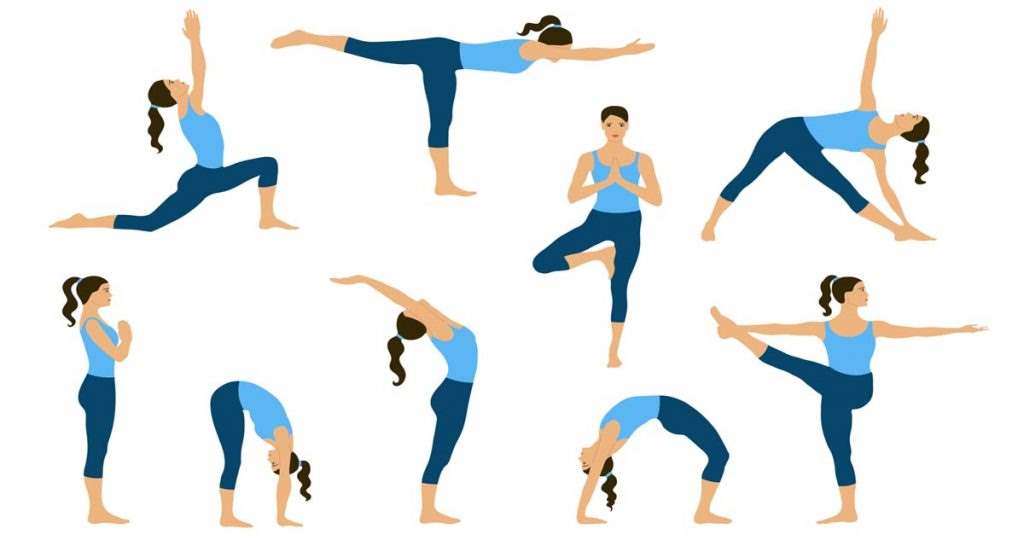
If you’re new to yoga, start with these simple yet effective poses. They target tension in the body while calming the mind. Aim to hold each pose for 5–10 breaths, moving slowly and mindfully.
- Child’s Pose (Balasana)
Child’s Pose is a gentle, grounding posture that promotes relaxation and releases tension in the hips, back, and shoulders.
- How to do it: Kneel on the floor, sit back on your heels, and stretch your arms forward as you lower your forehead to the ground. Breathe deeply, letting your body sink into the mat.
- Why it works: This pose encourages introspection and calms the nervous system, making it ideal for stress relief.
Pro tip: Place a pillow under your torso for extra comfort if your hips feel tight.
- Cat-Cow Pose (Marjaryasana-Bitilasana)
This flowing sequence loosens the spine and relieves tension in the neck and back.
- How to do it: On all fours, inhale as you arch your back (Cow), lifting your chest and tailbone. Exhale as you round your spine (Cat), tucking your chin. Flow between the two for 5–8 breaths.
- Why it works: The rhythmic movement syncs with your breath, promoting mindfulness and easing physical stress.
- Standing Forward Bend (Uttanasana)
This pose stretches the hamstrings and back while calming the mind.
- How to do it: Stand with feet hip-width apart, hinge at the hips, and fold forward, bringing your head toward the floor. Let your arms dangle or hold opposite elbows.
- Why it works: Inversions like this increase blood flow to the brain, reducing anxiety and promoting relaxation.
Pro tip: Bend your knees slightly if your hamstrings feel tight to avoid strain.
Restorative Yoga Sequence for Deep Relaxation
For those days when stress feels overwhelming, a restorative yoga sequence can work wonders. These poses use props like blankets or pillows to support your body, allowing you to relax fully. Practice this 20-minute sequence in a quiet space to maximize its calming effects.
- Supported Bridge Pose
- How to do it: Lie on your back with knees bent and feet flat. Place a folded blanket or block under your sacrum (lower back). Rest your arms by your sides and breathe deeply for 3–5 minutes.
- Why it works: Elevating the hips gently opens the chest and promotes relaxation by stimulating the parasympathetic nervous system.
- Reclined Bound Angle Pose (Supta Baddha Konasana)
- How to do it: Lie down, bring the soles of your feet together, and let your knees fall outward. Place pillows under your knees for support. Rest for 5–7 minutes, focusing on slow, deep breaths.
- Why it works: This pose opens the hips and chest, releasing stored tension and fostering a sense of calm.
- Legs-Up-the-Wall Pose (Viparita Karani)
- How to do it: Sit close to a wall, swing your legs up, and lie back with your hips slightly elevated on a folded blanket. Stay for 5–10 minutes, letting gravity do the work.
- Why it works: This gentle inversion reduces swelling in the legs, calms the nervous system, and promotes deep relaxation.
Pro tip: Dim the lights or use an eye pillow to enhance the restorative effect.
Breathing Techniques to Enhance Relaxation
Breathwork, or pranayama, is a cornerstone of yoga that can quickly reduce stress. Try these techniques to complement your yoga practice.
- Diaphragmatic Breathing
- How to do it: Sit or lie down comfortably. Place one hand on your belly and one on your chest. Inhale deeply through your nose, letting your belly rise while keeping your chest still. Exhale slowly. Repeat for 5 minutes.
- Why it works: This technique activates the body’s relaxation response, lowering heart rate and stress levels.
- Alternate Nostril Breathing (Nadi Shodhana)
- How to do it: Sit comfortably, close your right nostril with your thumb, and inhale through the left. Close the left nostril with your ring finger, release the right, and exhale. Inhale through the right, then switch. Continue for 5–10 cycles.
- Why it works: This practice balances the nervous system and promotes mental clarity, reducing anxiety.
Creating a Calming Yoga Space
To maximize the stress-relieving benefits of yoga, set up a dedicated space that feels serene. Here’s how:
- Choose a quiet corner: Find a spot free from distractions, ideally with natural light.
- Add comforting elements: Use a yoga mat, soft blankets, or cushions. Consider calming scents like lavender or eucalyptus essential oils.
- Minimize clutter: A tidy space helps clear your mind.
- Play soothing music: Gentle instrumental tracks or nature sounds can enhance relaxation.
Having a consistent space signals to your brain that it’s time to unwind, making your practice more effective.
Incorporating Mindfulness into Your Practice
Mindfulness is the secret sauce that amplifies yoga’s stress-relieving power. Focus on the present moment during your practice by:
- Observing your breath: Notice the rhythm and depth of each inhale and exhale.
- Tuning into sensations: Pay attention to how your body feels in each pose without judgment.
- Letting go of thoughts: If your mind wanders, gently bring it back to your breath or movement.
A 5-minute meditation at the end of your routine can seal in the benefits. Simply sit cross-legged, close your eyes, and focus on your breath or a calming mantra like “I am at peace.”
Tips for Consistency and Long-Term Stress Management
To make yoga a sustainable part of your stress-relief routine, try these strategies:
- Start small: Even 10 minutes a day can make a difference. Gradually increase your practice time as you feel comfortable.
- Schedule it: Set a specific time, like early morning or before bed, to build a habit.
- Mix it up: Alternate between gentle, restorative, and breath-focused practices to keep things fresh.
- Track your progress: Journal how you feel after each session to stay motivated.
Consistency is key—regular practice compounds yoga’s benefits, helping you manage stress more effectively over time.
Common Mistakes to Avoid
To get the most out of your yoga practice, steer clear of these pitfalls:
- Pushing too hard: Forcing yourself into poses can lead to injury. Listen to your body and modify as needed.
- Skipping the warm-up: Gentle stretches or Cat-Cow prepare your body for deeper poses.
- Ignoring breathwork: Breathing is central to relaxation—don’t rush through it.
- Practicing in a chaotic environment: A cluttered or noisy space can disrupt your focus.
Why These Routines Work for Everyone
These yoga routines are designed to be inclusive, whether you’re a beginner, have limited mobility, or are short on time. They require minimal equipment (a mat and optional props like pillows) and can be done at home. The combination of physical movement, breathwork, and mindfulness addresses both the physical and mental aspects of stress, making it a comprehensive approach to relaxation.
Conclusion
Stress doesn’t have to rule your life. With these yoga routines, you can create moments of calm and build resilience against daily pressures. From simple poses like Child’s Pose to restorative sequences and powerful breathing techniques, yoga offers a path to relaxation that’s accessible to all. Start small, stay consistent, and watch stress melt away.
Ready to begin? Try one of these routines today and share your experience in the comments below! Which pose or technique worked best for you? If you found this guide helpful, share it with a friend who could use a dose of calm, and subscribe to our blog for more wellness tips to keep you balanced and thriving.


