
In today’s fast-paced world, stress mindfulness exercises have become an unwelcome but constant companion for many. The demands of work, family, social obligations, and the relentless onslaught of information can leave us feeling overwhelmed, anxious, and perpetually on edge. While long-term stress management strategies are crucial, sometimes you need an immediate antidote, mindfulness exercises– a quick way to hit the reset button and find a moment of calm amidst the chaos.
Enter mindfulness
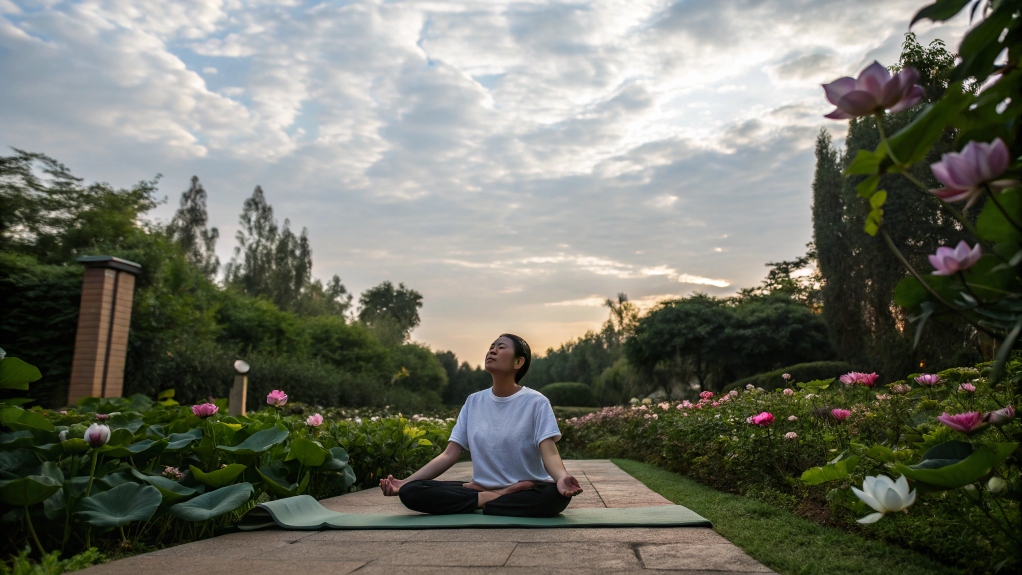
Mindfulness, at its core, is the practice of being fully present and aware of the current moment, without judgment. It’s about noticing your thoughts, feelings, and bodily sensations as they arise, and accepting them for what they are, rather than getting swept away by them. The beauty of mindfulness is its simplicity and accessibility; you don’t need special equipment or a quiet retreat to practice it. You can weave it into your daily life, and with consistent practice, it can dramatically reduce your stress levels and improve your overall well-being.
The good news? You don’t need to dedicate hours to meditation to reap the benefits of mindfulness. Even a few minutes of focused attention can make a significant difference. In this article, we’ll explore 10 simple mindfulness exercises you can use to reduce stress instantly, anytime, anywhere.
Why Mindfulness Works for Stress Reduction
Before we dive into the exercises, let’s briefly touch upon why mindfulness is so effective at combating stress. When we’re stressed, our bodies trigger the “fight or flight” response, releasing cortisol and adrenaline. This ancient survival mechanism, while vital in dangerous situations, can become chronically activated in modern life, leading to a host of physical and mental health issues.
Mindfulness helps to counteract this by activating the parasympathetic nervous system, also known as the “rest and digest” system. By consciously shifting our attention to the present moment, we disrupt the habitual stress response, slow our heart rate, lower blood pressure, and calm our minds. It allows us to step back from our thoughts and emotions, gaining perspective and preventing us from being consumed by them.
10 Simple Mindfulness Exercises for Instant Stress Relief
These exercises are designed to be short, sweet, and effective. Choose the ones that resonate most with you and incorporate them into your daily routine whenever you feel stress bubbling up.
-
The 3-Breath Reset
This is perhaps the simplest and most accessible exercise.
- How to do it: Close your eyes if comfortable, or soften your gaze. Take a slow, deep inhale through your nose, filling your lungs completely. Exhale slowly through your mouth, letting go of any tension. Repeat this two more times, focusing solely on the sensation of your breath entering and leaving your body.
- Why it works: Even three conscious breaths can signal to your nervous system that you are safe, allowing your body to relax and your mind to quiet.
-
Mindful Observation (The 5-4-3-2-1 Technique)
This exercise grounds you in your surroundings by engaging your senses.
- How to do it: Look around and identify:
- 5 things you can see. Notice details like color, shape, and texture.
- 4 things you can feel. This could be the fabric of your clothes, the temperature of the air, or the pressure of your feet on the ground.
- 3 things you can hear. Listen for distant sounds, nearby sounds, or even the sound of your breath.
- 2 things you can smell. Take a gentle sniff and identify any scents.
- 1 thing you can taste (e.g., the lingering taste of your last meal, or simply the taste of your mouth).
- Why it works: By actively engaging your senses, you pull your attention away from stressful thoughts and firmly anchor yourself in the present moment, where stress often has less power.
-
Body Scan (Mini Version)
A full body scan can take a while, but a mini version is incredibly effective for instant relief.
- How to do it: Sit or lie down comfortably. Close your eyes. Bring your attention to your feet. Notice any sensations – warmth, coolness, tingling, pressure. Without judgment, simply observe. Slowly move your attention up through your body, noticing your calves, thighs, hips, abdomen, chest, arms, hands, shoulders, neck, and head. Linger for a few seconds on any areas of tension, imagining your breath softening and releasing that tension.
- Why it works: This exercise helps you become aware of where you hold stress in your body, allowing you to consciously relax those areas and release physical tension.
-
Mindful Walking (Even a Few Steps)
You don’t need a nature trail for this; you can do it walking to the kitchen or bathroom.
- How to do it: As you walk, bring your full attention to the sensation of your feet on the ground. Notice the lift of your heel, the roll through your arch, and the placement of your toes. Feel the rhythm of your steps. Notice your balance, your posture. If your mind wanders, gently bring it back to the sensations in your feet.
- Why it works: This transforms a mundane activity into a powerful mindfulness practice, bringing you into the present and away from racing thoughts.
-
Mindful Listening
The world is full of sounds; this exercise helps you truly hear them.
- How to do it: Find a quiet spot, if possible, or simply tune into the sounds around you. Close your eyes. Listen to the most distant sound you can hear. Then, listen to a closer sound. Finally, listen to the sounds within your immediate vicinity. Don’t label or judge the sounds; just notice their quality, their duration, and their intensity.
- Why it works: This practice enhances your awareness of your surroundings and can be a calming anchor when your mind is racing.
-
The “Stop” Technique
This is a quick mental check-in that can prevent stress from escalating.
- How to do it:
- Stop what you’re doing.
- Take a breath (a deep, conscious one).
- Observe your thoughts, feelings, and physical sensations without judgment.
- Proceed with awareness, choosing your next action intentionally.
- Why it works: It creates a momentary pause, allowing you to break free from reactive patterns and respond to stressful situations with greater calm and clarity.
-
Mindful Eating (Even a Single Bite)
You don’t need a full meal to practice mindful eating.
- How to do it: Take a single bite of food – a piece of fruit, a nut, or even a sip of water. Before you consume it, observe it with all your senses. Notice its color, shape, and texture. Smell it. Bring it to your mouth and notice the sensations. Chew slowly, paying attention to the taste, the texture, and how it changes as you chew. Notice the act of swallowing.
- Why it works: This practice brings you fully into the present moment and helps cultivate a deeper appreciation for the simple acts of life, reducing the mental clutter of stress.
-
The “Thought Cloud” Exercise
This exercise helps you detach from overwhelming thoughts.
- How to do it: Close your eyes and imagine your thoughts as individual clouds floating across the sky. As each thought arises, place it gently on a cloud and watch it drift away. Don’t try to stop the thoughts, just observe them as separate entities, not as definitive truths about yourself.
- Why it works: It helps you realize that thoughts are transient and don’t define you. By creating a visual separation, you can lessen their emotional grip and reduce their power to cause stress.
-
Self-Compassion Break
Often, our internal critic amplifies stress. This exercise counters that.
- How to do it: When you notice yourself feeling stressed or overwhelmed, place a hand over your heart or on your cheek – a gesture of warmth and comfort. Silently say to yourself: “This is a moment of suffering. Suffering is a part of life. May I be kind to myself in this moment. May I give myself the compassion I need?”
- Why it works: Self-compassion reduces feelings of isolation and inadequacy that often accompany stress, fostering a sense of inner strength and resilience.
-
Mindful Stretching (Even a Gentle Reach)
Releasing physical tension can significantly reduce mental stress.
- How to do it: Take a moment to gently stretch. This could be a neck roll, a shoulder shrug, or a gentle reach overhead. As you stretch, bring your full awareness to the sensations in your body. Notice the stretch, any areas of tightness, and how your body responds. Breathe into the stretch, allowing your breath to deepen the release.
- Why it works: It combines physical movement with present moment awareness, releasing accumulated tension and promoting a sense of ease in both body and mind.
Read More Also: Introducing Tomato Burgers!
Integrating Mindfulness into Your Daily Life
The beauty of these exercises lies in their adaptability. You don’t need to block out large chunks of time. You can practice mindful breathing during your commute, a mini body scan before a meeting, or mindful walking during your lunch break. The key is consistency and gentle persistence.
Start with one or two exercises that feel most comfortable and incorporate them into your day whenever you feel stress beginning to creep in. As you become more familiar with the practice, you’ll find yourself naturally turning to these techniques.
Remember, mindfulness exercises aren’t about emptying your mind or achieving a state of perpetual bliss. It’s about cultivating a greater awareness of your present experience, allowing you to navigate life’s challenges with more calm, clarity, and resilience. By embracing these simple mindfulness exercises, you’re not just reducing stress instantly; you’re building a powerful toolkit for a more peaceful and fulfilling life. Start today, and discover the profound impact that a few moments of mindful presence can have.
Discover More: How to Use a Pasta Maker Like a Pro


