

In today’s world, environmental awareness isn’t just a trend—it’s a necessity. But for many, the idea of cutting down on water and energy usage brings visions of cold showers, dim lights, and other uncomfortable sacrifices. The truth is, you can reduce your household’s utility bills and environmental footprint without compromising your comfort or convenience.
From energy-efficient upgrades to small lifestyle changes, there are plenty of effective ways to conserve resources. In this guide, we’ll break down 10 smart, comfort-friendly ways to save water and energy at home, helping both your wallet and the planet.
Install Low-Flow Fixtures
Why It Works: Low-flow showerheads and faucets significantly reduce water usage without affecting water pressure or comfort.
How to Implement:
- Replace traditional showerheads with low-flow models (look for WaterSense-labeled products).
- Install aerators on faucets to control water flow.
- Use dual-flush or low-flush toilets to reduce water per flush.
Result: Save up to 60% water in showers and 30% in faucet usage—without noticing the difference.
Upgrade to Energy-Efficient Appliances
Why It Works: Modern appliances are designed to use less water and energy while delivering better performance.
How to Implement:
- Look for ENERGY STAR certified appliances.
- Focus on high-impact items like washing machines, dishwashers, and refrigerators.
- Replace old water heaters with tankless or solar-powered options.
Pro Tip: A front-loading washing machine uses nearly 40% less water than a top-loader.
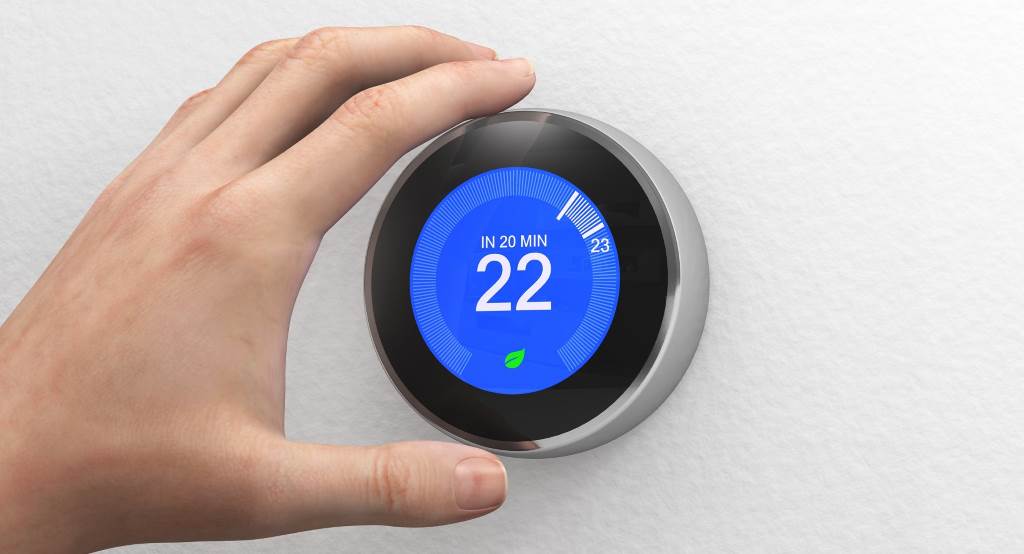
Use a Programmable or Smart Thermostat
Why It Works: These thermostats automatically adjust heating and cooling based on your schedule, avoiding unnecessary energy use.
How to Implement:
- Set a comfortable daytime temperature (around 78°F in summer and 68°F in winter).
- Program settings for sleeping hours and when you’re away.
- Use geofencing or learning modes in smart thermostats like Nest or Ecobee.
Comfort Bonus: Maintain consistent temperatures without the need to adjust settings manually.
Fix Leaks Immediately
Why It Works: Small leaks waste gallons of water daily and can raise both your water and energy bills (especially hot water leaks).
How to Implement:
- Regularly inspect faucets, toilets, and water heaters.
- Use food coloring in the toilet tank to detect silent leaks.
- Hire a plumber for anything more than a simple washer replacement.
Stats to Consider: A dripping faucet can waste over 3,000 gallons per year.
Use LED Lighting Throughout Your Home
Why It Works: LED bulbs consume up to 80% less energy and last significantly longer than incandescent or CFL bulbs.
How to Implement:
- Swap out all your high-use bulbs with warm white LEDs.
- Use dimmers or smart bulbs to control brightness.
- Add motion sensors in rarely used areas like hallways or basements.
Comfort Factor: Instant full brightness and better color quality—no flickering or delay.
Insulate Your Home for Better Temperature Control
Why It Works: Proper insulation keeps your home warmer in winter and cooler in summer, reducing reliance on HVAC systems.
How to Implement:
- Insulate attics, basements, and crawl spaces.
- Seal cracks around windows, doors, and vents.
- Use thermal curtains or weather stripping to prevent heat loss.
Energy Savings: Insulating can reduce heating and cooling costs by up to 20% annually.
Run Full Loads in Dishwashers and Washing Machines
Why It Works: Running partial loads wastes water and electricity. Full loads make every drop and watt count.
How to Implement:
- Wait until the machine is full before running.
- Use the eco-mode or energy saver setting.
- Wash clothes in cold water unless hot is absolutely necessary.
Fun Fact: About 90% of a washer’s energy is used to heat the water. Cold washes save energy and protect fabrics.
Switch to Water-Efficient Landscaping
Why It Works: Outdoor water use accounts for a significant portion of residential water consumption.
How to Implement:
- Use native or drought-tolerant plants.
- Install drip irrigation systems to water roots directly.
- Water early in the morning or late evening to reduce evaporation.
Bonus Tip: Add mulch to retain soil moisture and prevent weeds—less watering, more aesthetic!
Unplug Devices and Use Smart Power Strips
Why It Works: Devices left plugged in continue to draw power even when turned off—this is called “phantom energy” usage.
How to Implement:
- Unplug seldom-used electronics (e.g., toasters, chargers).
- Use smart power strips that automatically shut off when devices aren’t in use.
- Turn off your computer or set it to hibernate when not in use.
Energy Waste Alert: Phantom loads can add up to 10% of your electricity bill.
Educate Your Household
Why It Works: Awareness leads to consistent action. Small changes in behavior across the whole family can yield big results.
How to Implement:
- Involve kids by gamifying energy and water savings (e.g., prizes for shortest shower).
- Post reminders near sinks and light switches.
- Track your usage through utility bills or apps.
Pro Tip: Celebrate milestones—like reduced utility bills—with small rewards or treats.
Final Thoughts: Comfort Doesn’t Have to Come at a Cost
Saving water and energy isn’t about giving up your lifestyle—it’s about enhancing your efficiency. With the right strategies and a little mindfulness, you can enjoy all the comfort of modern living while saving money and protecting the environment.


