
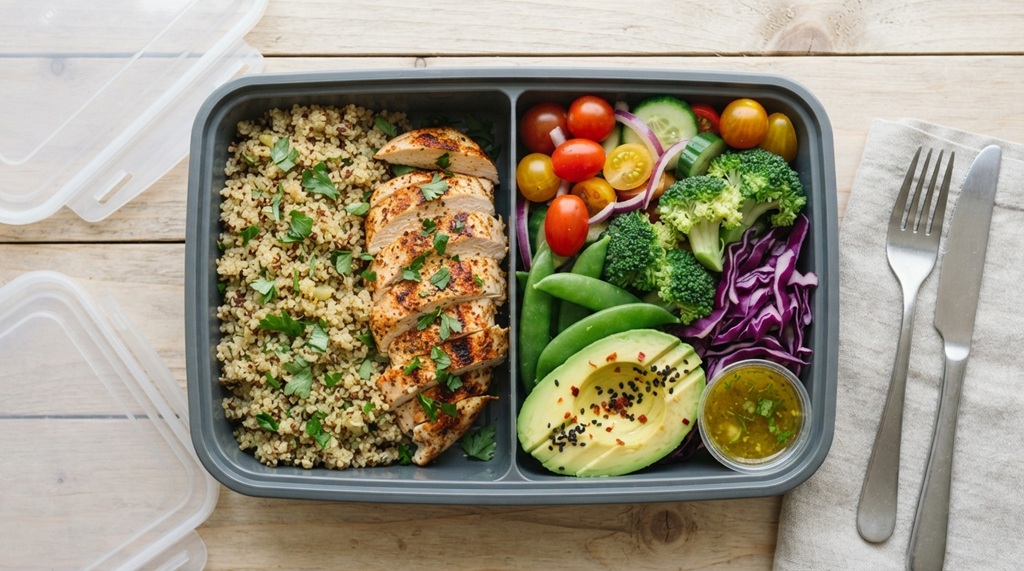
Clean eating means choosing whole, minimally processed foods over packaged and refined ones. It focuses on real ingredients like vegetables, fruits, lean proteins, and whole grains. This guide breaks down the basics so you can start today, without confusion or expensive meal plans.
You don’t need to overhaul your entire kitchen overnight. Small, steady changes build lasting habits. Below, you’ll find practical rules that fit real life, whether you’re cooking for one or feeding a family.
What Clean Eating Actually Means
Clean eating is a flexible approach, not a strict diet. It prioritizes whole foods and limits heavily processed items like sugary snacks, fast food, and packaged meals with long ingredient lists.
The idea isn’t about perfection. You still eat treats sometimes. The goal is to make whole foods the foundation of most meals, most days.
Whole Foods vs. Processed Foods
Whole foods are foods close to their natural state. Think fresh spinach instead of spinach chips, or grilled chicken instead of breaded nuggets.
Processed foods often contain added sugar, sodium, and preservatives. Some processing is fine, like frozen vegetables or canned beans. The concern is ultra-processed foods with long lists of unfamiliar ingredients.
Why People Choose Clean Eating
Many people switch to clean eating for better energy and digestion. Others want to manage weight or reduce reliance on takeout.
According to nutrition experts, diets rich in whole foods support better long-term health outcomes. This makes clean eating a sustainable choice, not just a short-term fix.
Simple Rules to Start Clean Eating Today
Getting started doesn’t require a total kitchen overhaul. These five rules make the transition manageable.
1. Read ingredient labels. Fewer ingredients usually mean less processing. Watch for added sugars, hidden sodium, and artificial additives.
2. Cook more meals at home. Home cooking gives you control over what goes into your food. Even simple meals count.
3. Choose whole grains over refined grains. Swap white bread for whole wheat, and white rice for brown rice or quinoa.
4. Add a vegetable to every meal. This one habit boosts fiber and nutrients without much effort.
5. Limit sugary drinks. Water, herbal tea, and black coffee are better daily choices than soda or sweetened beverages.
Building a Clean Eating Grocery List

A good grocery list keeps you stocked with whole-food staples and reduces impulse buys. Shop the perimeter of the store first, where fresh produce, meat, and dairy usually sit.
Here’s a simple starting list:
- Proteins: eggs, chicken, fish, beans, lentils, tofu
- Vegetables: spinach, broccoli, peppers, carrots, zucchini
- Fruits: apples, berries, bananas, oranges
- Whole grains: oats, brown rice, quinoa, whole wheat pasta
- Healthy fats: olive oil, avocado, nuts, seeds
Keep a few pantry staples on hand too, like canned tomatoes, garlic, and spices. These make quick meals easier without sacrificing quality.
Efficient Clean Eating: A Busy Professional’s Guide to Meal Prep
Mastering clean eating amidst a demanding schedule relies on strategic meal preparation—a simple habit that reclaims your time and keeps high-nutrition choices at your fingertips. Dedicating just one to two hours each week to batch-cook versatile staples, such as grilled lean proteins or vibrant roasted vegetables, eliminates the daily friction of cooking from scratch and allows for effortless mix-and-match dining throughout the week. Storing these portioned ingredients in clear glass containers creates immediate visual cues in your refrigerator, making a nourishing meal the most effortless default when evening fatigue sets in. By taking control of your food environment early, adopting a wholesome diet seamlessly integrates into long workdays; in fact, pairing these prep strategies with proven techniques on stay healthy while managing a busy schedule ensures your clean eating goals remain entirely manageable, no matter how packed your calendar gets.
Common Clean Eating Mistakes to Avoid
Even well-intentioned beginners run into a few common traps. Knowing these ahead of time helps you avoid unnecessary setbacks.
Being Too Restrictive Too Fast
Cutting out entire food groups overnight often backfires. It can lead to cravings and burnout within a few weeks.
Instead, phase out processed foods gradually. Replace one item at a time, like swapping soda for sparkling water this week.
Assuming “Natural” Always Means Healthy
Marketing labels like “natural” or “organic” don’t guarantee a food is minimally processed. Some natural snacks still contain lots of added sugar.
Check the ingredient list, not just the front-of-package claims. This habit protects you from clever marketing.
Skipping Meals to “Save” Calories
Skipping meals often leads to overeating later. It can also slow your metabolism and hurt your energy levels throughout the day.
Aim for regular, balanced meals instead. Consistency matters more than restriction.
Clean Eating on a Budget
Clean eating doesn’t have to be expensive. Whole foods like beans, oats, and frozen vegetables are often cheaper than packaged snacks.
Buy in bulk when possible, especially for grains and legumes. Frozen fruits and vegetables cost less than fresh ones and retain most of their nutrients.
Plan meals around what’s on sale each week. This one habit alone can significantly lower your grocery bill while keeping your diet clean.
Frequently Asked Questions
Is clean eating the same as a strict diet?
No, clean eating is not a strict diet with rigid rules. It’s a flexible eating pattern focused on whole, minimally processed foods most of the time.
Can I still eat out while eating clean?
Yes, you can eat out and still follow clean eating principles. Choose grilled over fried options, and ask for dressings or sauces on the side.
How long does it take to see results from clean eating?
Many people notice better energy and digestion within a few weeks. Visible changes like weight loss often take longer and vary by person.
Do I need to buy organic food to eat clean?
No, organic food is not required for clean eating. The focus is on whole, minimally processed foods, whether conventional or organic.
Is clean eating suitable for kids and families?
Yes, clean eating works well for families. Simple swaps, like whole grain bread or fresh fruit instead of candy, benefit both kids and adults.
Final Thoughts
Clean eating comes down to choosing whole, real foods more often than processed ones. Start with small swaps, like adding a vegetable to each meal or reading ingredient labels before you buy.
Progress matters more than perfection. Build these habits one at a time, and a healthier diet will follow naturally.