

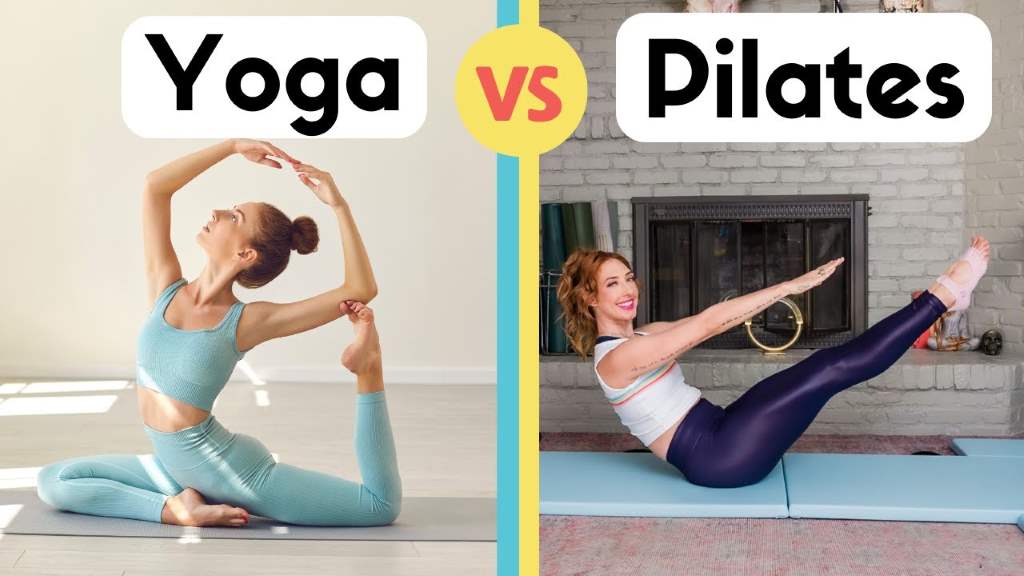
When it comes to improving flexibility, strength, posture, and mental clarity, two workouts often top the list—Yoga and Pilates. Both have earned global recognition for their ability to transform not just the body, but the mind too. But which one is better for you? Should you choose yoga to enhance mindfulness or Pilates for core strength? Or perhaps both can serve different purposes in your wellness routine?
In this in-depth comparison, we’ll break down the key differences, benefits, and unique aspects of Yoga vs. Pilates, helping you make the most informed decision for your health, lifestyle, and fitness goals.
What is Yoga?
Yoga is an ancient practice that originated in India over 5,000 years ago. It combines physical postures (asanas), breath control (pranayama), and meditation (dhyana) to promote a balanced body and mind.
Key Elements of Yoga:
- Flexibility and balance
- Mindfulness and stress relief
- Breath awareness
- Various styles like Hatha, Vinyasa, Ashtanga, and Yin
Yoga focuses on the union of body, mind, and spirit, making it more than just a workout—it’s a lifestyle.
What is Pilates?
Pilates was developed in the early 20th century by Joseph Pilates, originally to rehabilitate injured soldiers and dancers. It emphasizes controlled movements, core engagement, and muscle strength, particularly targeting the abdomen, lower back, hips, and thighs.
Key Elements of Pilates:
- Core strength and stability
- Muscle toning and alignment
- Low-impact, precise movements
- Two main types: Mat Pilates and Reformer Pilates
Pilates is known for improving postural alignment, injury prevention, and body awareness.
Yoga vs. Pilates: Key Differences Explained
| Aspect | Yoga | Pilates |
| Origin | Ancient India (over 5,000 years ago) | Early 1900s, Germany |
| Focus | Mind-body connection, flexibility | Core strength, controlled movements |
| Breathwork | Deep, mindful breathing (Pranayama) | Breath synchronized with movement |
| Equipment | Yoga mat | Mat or Reformer machine |
| Spiritual Element | Strong spiritual and meditative component | Primarily physical and rehabilitative |
| Goal | Mental clarity, flexibility, inner peace | Strengthening core and body alignment |
| Class Structure | Can include chanting, meditation | Structured series of precise exercises |
Benefits of Yoga
- Improves Flexibility
One of the most cited benefits of yoga is enhanced flexibility. Over time, consistent yoga practice helps loosen tight muscles, increase range of motion, and improve joint health.
- Reduces Stress
The emphasis on breath control and mindfulness in yoga is excellent for reducing cortisol levels and managing stress.
- Promotes Better Sleep
Yoga nidra and restorative yoga can significantly improve sleep quality by calming the nervous system.
- Enhances Mental Focus
Through meditation and controlled breathing, yoga helps sharpen concentration and reduce mental clutter.
- Supports Heart Health
Some yoga styles, especially Vinyasa and Ashtanga, offer cardiovascular benefits and can improve circulation and blood pressure.
Benefits of Pilates
- Strengthens the Core
Pilates is unmatched when it comes to developing a strong, stable core—which is crucial for posture, balance, and daily movement efficiency.
- Improves Posture
By targeting deep abdominal and back muscles, Pilates helps align the spine and correct posture imbalances.
- Supports Injury Rehabilitation
Pilates is widely recommended by physical therapists for recovering from injuries due to its low-impact and controlled approach.
- Enhances Muscle Tone
Pilates uses small, controlled movements to lengthen and tone muscles without adding bulk.
- Boosts Athletic Performance
Athletes from runners to swimmers use Pilates to enhance flexibility, coordination, and functional strength.
Who Should Choose Yoga?
Yoga may be the right fit for you if:
- You seek stress relief and mindfulness
- You want to improve flexibility and mental focus
- You are interested in spiritual growth and breath control
- You prefer a variety of styles and gentle to intense classes
- You need a low-impact, calming practice for overall well-being
Popular types of yoga you might explore include:
- Hatha Yoga: Great for beginners
- Vinyasa Flow: For those who love dynamic movement
- Yin Yoga: For deep stretching and relaxation
- Power Yoga: A more vigorous workout
Who Should Choose Pilates?
Pilates is ideal for individuals who:
- Want to develop core strength and muscle tone
- Need to rehabilitate from injuries or prevent them
- Are looking for a structured, low-impact workout
- Prefer exercises that focus on precision and alignment
- Want to complement their cardio or weight training routine
There are two main formats:
- Mat Pilates: Accessible and requires minimal equipment
- Reformer Pilates: Uses machines for resistance and assistance
Can You Do Both Yoga and Pilates?
Absolutely! Many people combine both to enjoy a well-rounded fitness and wellness routine. For instance:
- Use Pilates for strength and stability
- Practice Yoga for flexibility and stress relief
This dual approach improves muscle balance, mental clarity, and overall body awareness, making it ideal for long-term health.
Yoga vs. Pilates for Weight Loss
Both Yoga and Pilates can aid in weight management when combined with a healthy diet.
- Yoga styles like Power Yoga or Vinyasa can elevate heart rate and burn calories.
- Pilates, especially Reformer workouts, can build lean muscle mass and boost metabolism.
However, neither is a high-intensity fat-burning workout like HIIT, so they’re best used to supplement a broader weight-loss plan.
Yoga vs. Pilates for Back Pain
If you’re struggling with back pain:
- Pilates is often recommended due to its focus on core strength and spinal alignment.
- Yoga can also help, especially poses that stretch the back and promote posture awareness.
Consult your healthcare provider before starting any new workout if you have chronic pain or injuries.
Final Thoughts: Which One Should You Choose?
There is no universal answer—the best choice depends on your personal goals, lifestyle, and physical needs. Here’s a quick recap:
Choose Yoga if:
- You want mental calm and flexibility
- You’re interested in meditation and breathwork
- You prefer a holistic, spiritual practice
Choose Pilates if:
- You need core strength and stability
- You’re recovering from an injury
- You want a low-impact strength workout
Or, embrace both for a balanced, effective, and deeply rewarding wellness journey.
Find Your Flow Today
Ready to take the next step in your fitness journey? Try a Yoga or Pilates class this week—many studios and online platforms offer free trials or beginner sessions. Whether you’re seeking inner peace or physical strength, one of these practices (or both) can help you live a more balanced, energized, and healthy life.
👉 Tell us—have you tried Yoga, Pilates, or both? Share your experience or questions in the comments below!
👉 Subscribe to our blog for more wellness tips, workout guides, and mindful living inspiration!


