

In a world that constantly bombards us with more – more possessions, more commitments, more information – the idea of “less” can seem almost revolutionary. Yet, an increasing number of people are discovering the profound benefits of embracing a minimalist lifestyle. It’s not about living in a stark, empty house or depriving yourself; it’s about intentional living, about curating your life to prioritize what truly matters and letting go of the rest.
The allure of minimalism lies in its promise: a calmer mind, more financial freedom, less environmental impact, and ultimately, a more fulfilling existence. If you’ve ever felt overwhelmed by clutter, constantly stressed by your to-do list, or financially strained by your spending habits, then read on. This comprehensive guide will offer actionable minimalist lifestyle tips to help you simplify your life and significantly reduce stress, paving the way for a more intentional and joyful you.
Understanding the Essence of Minimalism: Beyond the Aesthetics
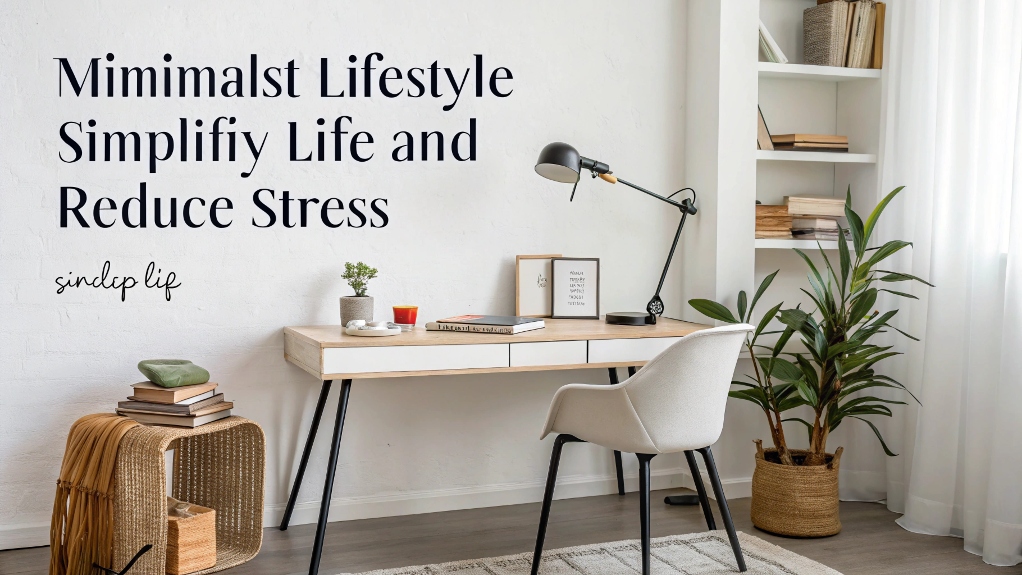
Before diving into practical tips, it’s crucial to understand that minimalism isn’t a rigid set of rules or an aesthetic trend. While it often manifests in decluttered spaces, its true power lies in its philosophical underpinnings. Minimalism is:
- Intentionality: Making conscious choices about what you bring into your life – possessions, commitments, and even thoughts – rather than acquiring things out of habit or societal pressure.
- Prioritization: Identifying what truly adds value and joy to your life and letting go of everything that doesn’t.
- Freedom: Freeing yourself from the burden of excessive possessions, debt, and the endless pursuit of “more.”
- Mindfulness: Being present and appreciating what you have, rather than constantly striving for what you lack.
It’s a journey, not a destination, and it looks different for everyone. Your version of minimalism will be unique to your needs, values, and circumstances.
Core Pillars of a Minimalist Lifestyle: Where to Begin
Embarking on a minimalist journey can feel daunting, especially if you’re surrounded by years of accumulated belongings. The key is to start small, be patient with yourself, and celebrate every step of progress. Here are the core pillars to focus on:
-
Declutter Your Physical Space: The Tangible Start
This is often the most visible and immediate aspect of minimalism. Physical clutter can lead to mental clutter, so tackling your belongings is a powerful first step.
- The “One In, One Out” Rule: For every new item you bring into your home (clothing, books, gadgets, etc.), commit to letting go of an existing item in the same category. This prevents re-accumulation.
- The “KonMari” Method: Inspired by Marie Kondo’s “The Life-Changing Magic of Tidying Up,” this method encourages you to hold each item and ask, “Does this spark joy?” If not, thank it for its service and let it go. This emotional connection to your belongings can be surprisingly effective.
- Categorical Decluttering: Instead of trying to declutter your entire house at once, focus on one category at a time (e.g., clothes, books, kitchenware, sentimental items). This makes the process less overwhelming.
- The 90/90 Rule: For items you’re unsure about, ask yourself: “Have I used this in the last 90 days? Will I use it in the next 90 days?” If the answer to both is no, consider letting it go.
- Embrace the “Less is More” Mindset for Purchases: Before buying something new, ask yourself: Do I truly need this? Does it serve a purpose? Will it add value to my life? Can I borrow it or rent it instead?
-
Simplify Your Digital Life: Reclaim Your Focus
In our hyper-connected world, digital clutter can be just as overwhelming as physical clutter.
- Declutter Your Inbox: Unsubscribe from unnecessary newsletters, delete old emails, and strive for inbox zero regularly. Use folders and filters to organize essential communications.
- Tame Social Media: Limit your time on social media platforms. Unfollow accounts that don’t inspire or inform you. Consider scheduled “digital detox” periods.
- Organize Your Files: Delete duplicate photos, organize documents into clear folders, and back up important files to cloud storage or an external hard drive.
- Curb Notifications: Turn off non-essential notifications on your phone and computer. Constant pings disrupt focus and increase anxiety.
- Curate Your Subscriptions: Review all your online subscriptions (streaming services, apps, newsletters) and cancel any you no longer use or value.
-
Streamline Your Schedule and Commitments: Time is Your Most Precious Asset
A minimalist lifestyle extends beyond possessions to how you spend your time. Over-committing is a major source of stress.
- Learn to Say “No”: It’s liberating to decline invitations or requests that don’t align with your priorities or simply don’t have the capacity for. Your time is valuable.
- Prioritize Ruthlessly: Identify your most important tasks and focus on those. Use tools like the Eisenhower Matrix (urgent/important) to guide your decisions.
- Batch Similar Tasks: Group similar tasks together (e.g., errands, email replies, phone calls) to improve efficiency and reduce context switching.
- Schedule White Space: Don’t fill every minute of your day. Allow for downtime, spontaneity, and quiet reflection. This “white space” is crucial for mental well-being.
- Automate Where Possible: Automate bill payments, grocery lists, or even recurring tasks to free up mental energy.
-
Mindful Consumption: A Path to Financial Freedom and Reduced Impact
Minimalism naturally leads to more mindful consumption, which has significant financial and environmental benefits.
- Buy for Quality, Not Quantity: Invest in well-made, durable items that will last, rather than constantly buying cheap replacements. This saves money and reduces waste in the long run.
- Embrace Experiences Over Things: Prioritize spending on experiences (travel, concerts, classes) that create lasting memories, rather than accumulating more material possessions.
- Cook at Home More: Eating out frequently is expensive and often less healthy. Embrace home cooking, which can be a meditative and enjoyable experience.
- Challenge Impulse Buys: Before making a purchase, pause and consider if it aligns with your values and needs. Implement a “24-hour rule” for larger purchases.
- Reduce Waste: Adopt practices like composting, recycling, using reusable bags and water bottles, and buying in bulk to minimize your environmental footprint.
-
Cultivate a Minimalist Mindset: The Inner Work
True minimalism is an inside job. It’s about shifting your perspective and priorities.
- Practice Gratitude: Regularly acknowledge and appreciate what you already have. This shifts your focus from what you lack to what you possess.
- Identify Your Values: What truly matters to you? When your actions align with your values, you experience greater fulfillment and less internal conflict.
- Embrace Imperfection: Your home doesn’t need to be showroom perfect, and your life doesn’t need to be flawlessly optimized. Allow for flexibility and embrace the journey.
- Limit Information Overload: Be discerning about the news, articles, and content you consume. Protect your mental space from negativity and sensationalism.
- Connect with Nature: Spending time in nature can be incredibly grounding and stress-reducing. It reminds us of the simplicity and beauty of the natural world.
The Benefits: Why Embrace Minimalism?
The rewards of adopting a minimalist lifestyle are multifaceted and profound:
- Reduced Stress and Anxiety: Less clutter, fewer commitments, and more intentional choices lead to a calmer mind.
- Increased Financial Freedom: Less spending on unnecessary items, reduced debt, and more savings empower you financially.
- More Time and Energy: Free up valuable time and mental energy previously spent on managing possessions and commitments.
- Enhanced Focus and Productivity: With fewer distractions, you can concentrate better on what truly matters.
- Greater Environmental Awareness: Less consumption and waste contribute to a more sustainable lifestyle.
- Deeper Relationships: More time and energy to invest in meaningful connections with loved ones.
- Improved Well-being: A sense of lightness, clarity, and purpose contributes to overall happiness and contentment.
Starting Your Minimalist Journey: Practical Steps
- Define Your “Why”: What do you hope to gain from minimalism? Is it less stress, more financial freedom, or something else? Your “why” will motivate you.
- Start Small: Pick one area – your closet, a single drawer, your digital desktop – and begin there.
- Be Patient and Consistent: Minimalism is a journey, not a destination. There will be good days and challenging days. Keep going!
- Involve Your Household (If Applicable): If you live with others, discuss your intentions and encourage them to participate in a way that feels comfortable for them.
- Seek Inspiration: Read books, watch documentaries, and follow blogs (like this one!) for inspiration and practical tips.
- Celebrate Small Wins: Acknowledge every item you declutter, every commitment you streamline, and every mindful choice you make.
Read More Also: How to Make Date Syrup at Home: A Sweet, Healthy Revolution
Conclusion: A Life Rich in What Truly Matters
Minimalism isn’t about deprivation; it’s about liberation. It’s about letting go of the unnecessary to make space for what truly nourishes your soul. By embracing intentionality in your possessions, time, and commitments, you can create a life that is simpler, calmer, and infinitely more fulfilling. The journey to a minimalist lifestyle is a personal one, but the destination – a life rich in meaning, free from excess, and brimming with peace – is a promise worth pursuing. Start today, one small step at a time, and discover the profound power of living with less, to live more.


