

Non Sleep Deep Rest for brain fog works best when you lie comfortably, slow your breathing, and follow a guided body scan for 10 to 20 minutes. Most people notice better mental clarity, reduced stress, and improved focus after practicing consistently for several days.
Brain fog affects millions of adults through stress, poor sleep, and mental overload. Research shows that adults should aim for seven to nine hours of sleep, while chronic stress can significantly reduce attention, memory, and decision making. Non Sleep Deep Rest offers a simple method that helps your brain recover without actually sleeping. This guide explains exactly how to practice it correctly and improve daily mental performance.
What Is Non Sleep Deep Rest?
Non Sleep Deep Rest, often called NSDR, is a guided relaxation practice that helps your nervous system enter a deeply restorative state. Although you stay awake, your brain receives many benefits normally linked with quality rest.
The practice combines slow breathing, body awareness, and focused attention without forcing sleep. While learning this method, you can also strengthen relaxation skills through mindfulness exercises for anxiety, which naturally support calmer thinking.
Unlike a nap, NSDR does not require you to fall asleep. Instead, you allow your body to relax while keeping gentle awareness throughout the session.
Why Brain Fog Happens
Brain fog is not a medical diagnosis by itself. Instead, it describes difficulty concentrating, forgetfulness, slow thinking, and reduced mental energy.
Several everyday factors contribute to brain fog. Understanding these causes helps you use NSDR more effectively.
- Poor sleep quality
- Chronic stress
- Mental overload
- Long working hours
- Dehydration
- Poor nutrition
- Lack of movement
- Excessive screen exposure
Because stress activates your nervous system, your brain struggles to recover between demanding tasks. Consequently, mental clarity often declines throughout the day.
How Non Sleep Deep Rest Helps Brain Fog
NSDR encourages your body to shift away from a constant stress response. As your muscles relax, your breathing slows and your mind becomes quieter.
Many people also combine relaxation with healthy daily habits such as a mindful tea drinking routine, creating a stronger recovery ritual after demanding work.
Regular sessions may support several important mental functions.
- Improves focus
- Supports working memory
- Reduces mental fatigue
- Calms the nervous system
- Promotes emotional balance
- Encourages better sleep quality
- Improves productivity
How to Do Non Sleep Deep Rest for Brain Fog Step by Step
Step 1: Choose a Quiet Location
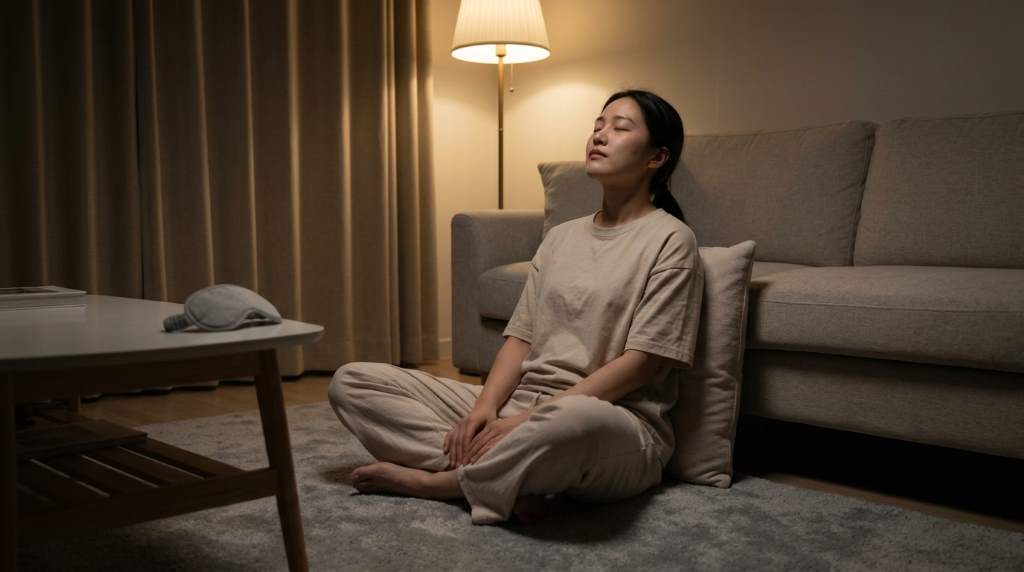
Find a peaceful room where interruptions remain unlikely. Dim lighting often makes relaxation much easier.
Step 2: Lie Down Comfortably
Lie flat on your back or recline comfortably in a supportive chair. Keep your arms relaxed beside your body.
Step 3: Silence Digital Distractions
Turn off notifications before starting your session. Even small interruptions reduce relaxation quality.
Step 4: Focus on Slow Breathing
Breathe gently through your nose without forcing deeper breaths. Allow each exhale to become naturally longer than your inhale.
Step 5: Relax Each Body Part
Move your attention from your toes toward your head. Release tension gradually without rushing the process.
Step 6: Observe Your Thoughts
Thoughts will appear naturally during every session. Simply notice them and return your attention to your breathing.
Step 7: Stay Awake if Possible
Sleeping occasionally remains perfectly acceptable. However, staying lightly aware provides the intended NSDR experience.
Step 8: Finish Slowly
Open your eyes gradually before standing. Give yourself one or two minutes before returning to demanding work.
You may also improve your overall recovery routine by following beginner friendly spa maintenance habits that encourage a calmer environment for regular relaxation sessions.
Best Time to Practice NSDR
Timing can influence your experience. Nevertheless, consistency matters more than choosing the perfect hour.
- Midday after intense work
- Late afternoon before evening tasks
- After stressful meetings
- Before studying
- Before bedtime without expecting immediate sleep
Avoid practicing immediately after very large meals because digestion may increase sleepiness. Likewise, choose a comfortable temperature for better relaxation.
How Long Should Each Session Last?
Most beginners benefit from shorter sessions before extending the duration. Gradually increase the time as your comfort improves.
- Beginners: 10 minutes
- Regular practice: 15 to 20 minutes
- Advanced users: 20 to 30 minutes
Daily practice usually produces better results than occasional long sessions. Therefore, consistency should remain your primary goal.
Common Mistakes to Avoid
Many beginners unintentionally reduce the effectiveness of NSDR. Fortunately, these mistakes are easy to correct.
- Trying too hard to relax
- Expecting instant results
- Checking your phone during practice
- Using noisy environments
- Skipping sessions after busy days
- Holding your breath
- Judging every distracting thought
Instead, approach every session with patience. Small improvements usually build into noticeable mental clarity over time.
Simple Daily Routine for Better Mental Clarity
Combining NSDR with healthy habits creates stronger long term benefits. Each habit supports your brain in a different way.
- Sleep seven to nine hours consistently.
- Drink enough water throughout the day.
- Take movement breaks every hour.
- Eat balanced meals with protein and healthy fats.
- Reduce unnecessary multitasking.
- Limit evening screen exposure.
- Practice NSDR every afternoon.
These habits work together instead of replacing each other. Consequently, your brain receives better opportunities to recover from daily stress.
Who Can Benefit Most?
Nearly anyone experiencing mental fatigue may benefit from NSDR. However, certain groups often report noticeable improvements.
- Students
- Office professionals
- Remote workers
- Parents
- Healthcare workers
- Entrepreneurs
- Creative professionals
If brain fog becomes severe, persistent, or suddenly worsens, consult a qualified healthcare professional for proper evaluation. NSDR supports wellness but does not replace medical treatment.
Conclusion
Learning how to do Non Sleep Deep Rest for brain fog does not require expensive equipment or advanced training. With only a quiet space and regular practice, you can support better focus, calmer thinking, and improved mental recovery.
Start with ten minutes each day and stay consistent for several weeks. Your brain performs best when recovery becomes a daily habit instead of an occasional activity.
Frequently Asked Questions
Can NSDR replace regular sleep?
No, NSDR supports recovery but cannot replace healthy nightly sleep.
How quickly does NSDR improve brain fog?
Many people notice improved clarity within days of consistent daily practice.
Can beginners practice NSDR?
Yes, beginners can safely start with a simple ten minute guided session.
Should I use music during NSDR?
Soft background sounds are optional, but a quiet environment usually works best.
Can I practice NSDR every day?
Yes, daily practice is safe and often provides the greatest long term benefits.


